As an Amazon Associate, Modded gets commissions for purchases made through links in this post.
Most guys complain about bumper-to-bumper traffic or spilling coffee on a Monday morning. Those annoyances pale in comparison to men who suit up for jobs where one wrong step could mean not coming home. Testing physical limits, mental grit and raw courage daily, these extreme occupations represent some of the deadliest work environments today.
1. Logging Workers
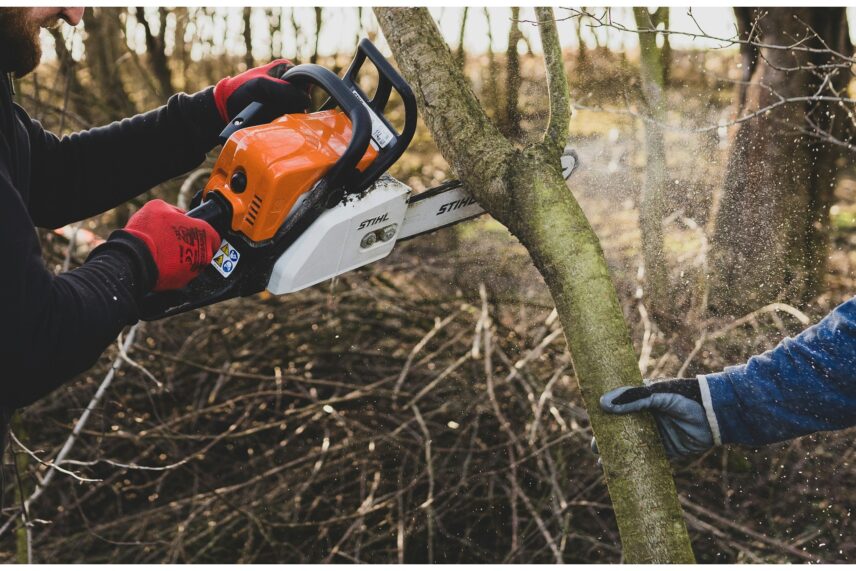
Heavy machinery is only part of the equation if you’re a logger. You’re also fighting a 45-degree muddy slope with a roaring chainsaw, knowing a multi-ton tree could kick back or splinter at any second.
The Bureau of Labor Statistics (BLS) reports a fatality rate of 110.4 per 100,000 full-time workers, making logging workers one of the most dangerous jobs in America. Despite these grim numbers, loggers continue to supply essential raw materials for construction.
2. Fishermen
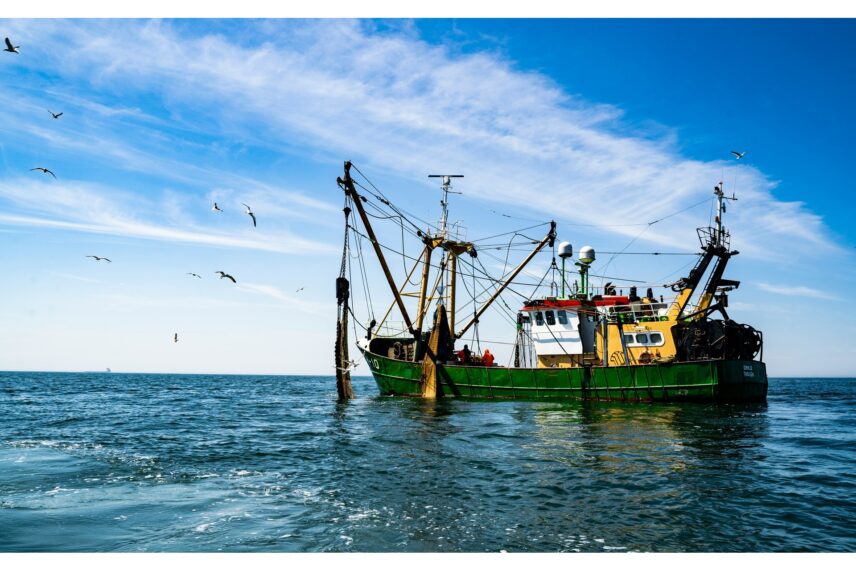
The open ocean leaves you entirely at the mercy of Mother Nature. Many deckhands work on icy, pitching boat decks in the dead of night. They dodge heavy crab pots and rogue waves that can sweep a man away instantly.
These brutal conditions can lead to catastrophic accidents. Vessel disasters and falls overboard average more than 43 deaths annually, and the BLS logs a fatality rate of 88.8 per 100,000 workers for fishing and hunting workers. Emergency rescue is often hours or days away, so survival depends entirely on training and crewmates.
3. Underground Miners
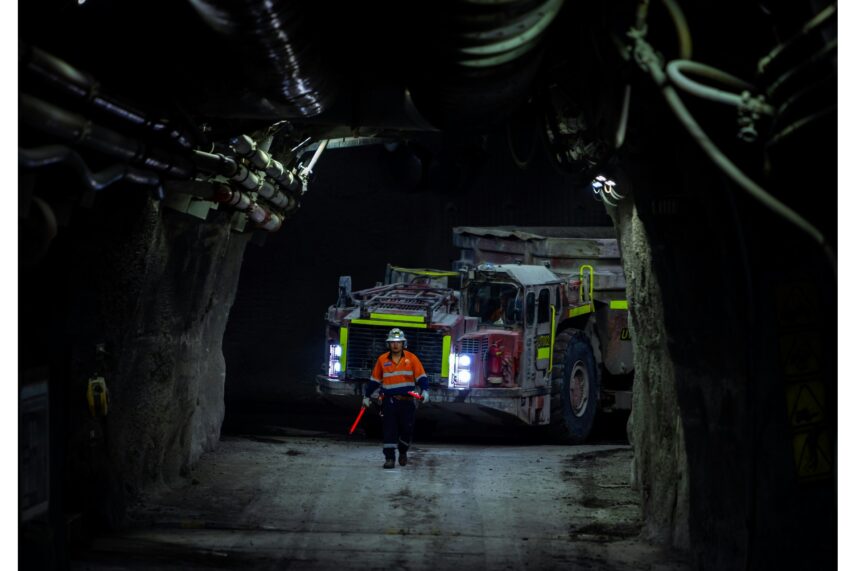
Working thousands of feet below the earth’s surface carries immense psychological and physical weight. You navigate massive machinery in pitch-black tunnels while facing the constant threat of collapses and explosive gases. This environment results in a fatal work injury rate of 35.6 per 100,000 workers.
Breathing industrial dust and toxic compounds in enclosed spaces leads to a severe risk of respiratory diseases and other health conditions. Underground miners routinely sacrifice their long-term health to keep global supply chains moving.
4. Roofers
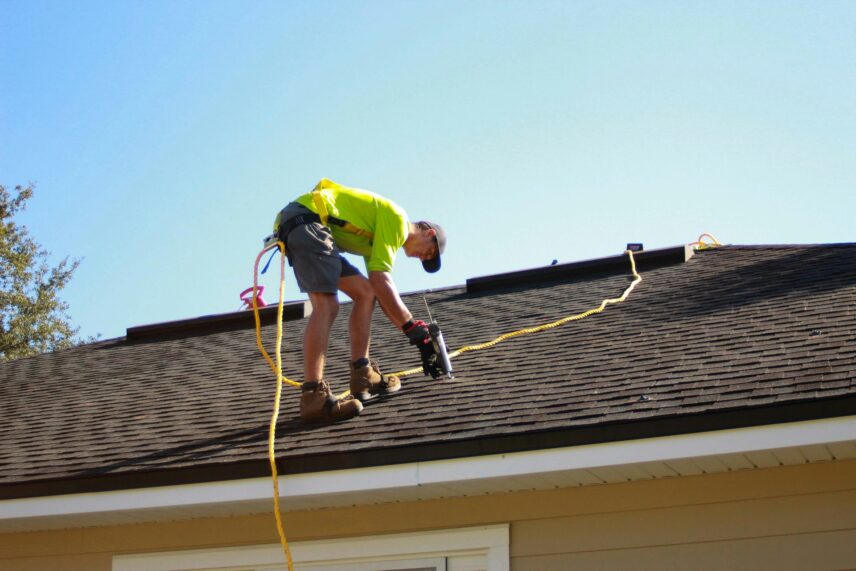
You don’t have to go deep underground or out to sea to find extreme danger. Roofers haul heavy bundles of shingles up steep inclines while battling blistering heat or slick morning dew. One slip means gravity takes over.
Falls account for most of their 48.7 fatalities per 100,000 workers. Trusting your gear is nonnegotiable. That’s why reliable equipment like ladders made from fiberglass and aluminum becomes essential at lethal heights.
5. Long-Haul Truckers
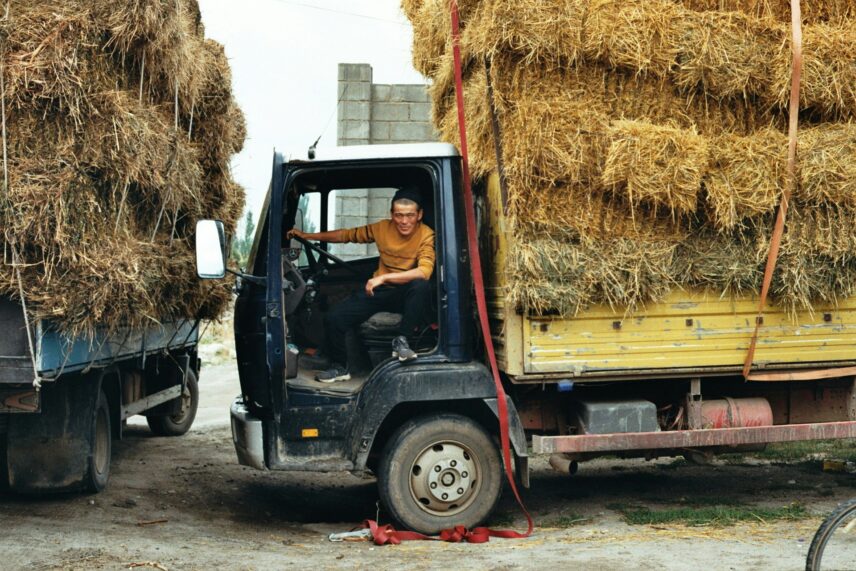
There’s a false sense of security with sitting in a cab. Piloting a massive vehicle at highway speeds is incredibly taxing, though. Imagine hauling 80,000 pounds down an icy mountain pass on zero sleep. Fatigue, massive weight and unpredictable weather turn highways into minefields.
This combination leads to a fatality rate of 25.7 per 100,000 workers. The threat extends beyond the road to everything around the driver. Factors ranging from cellphone use to outside events compound the baseline risk. These drivers maintain hyper-vigilance for hours, knowing a split-second lack of focus can be catastrophic.
6. Veterinarians
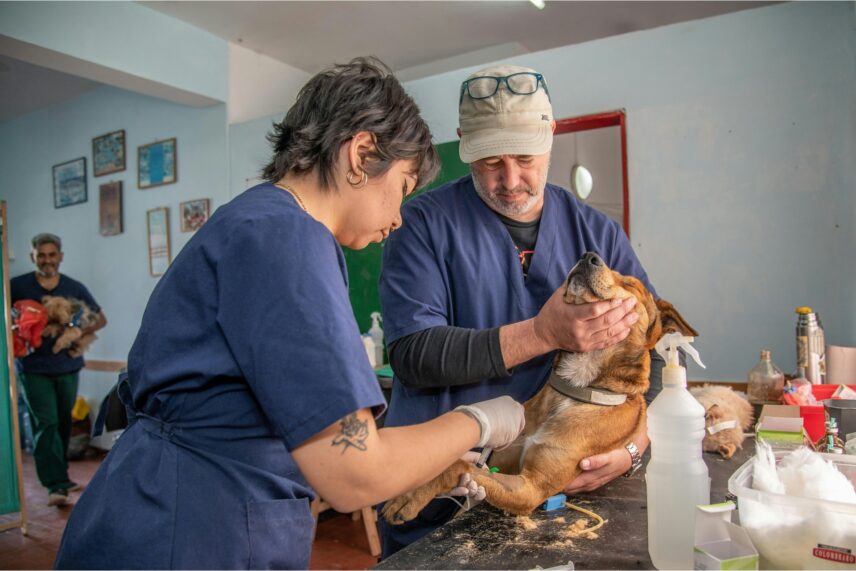
While most dangerous jobs threaten physical safety, some devastate psychological well-being. Vets experience intense emotional whiplash daily. They move from saving a puppy in one room to delivering news about a terminal condition in the next while managing the expectations of grieving pet owners.
This relentless stress has created a suicide crisis worldwide. Almost 70% of Australian vets report they lost a colleague to this tragedy, so have a little more patience the next time you take your dog to the clinic.
7. Waste Collection Workers
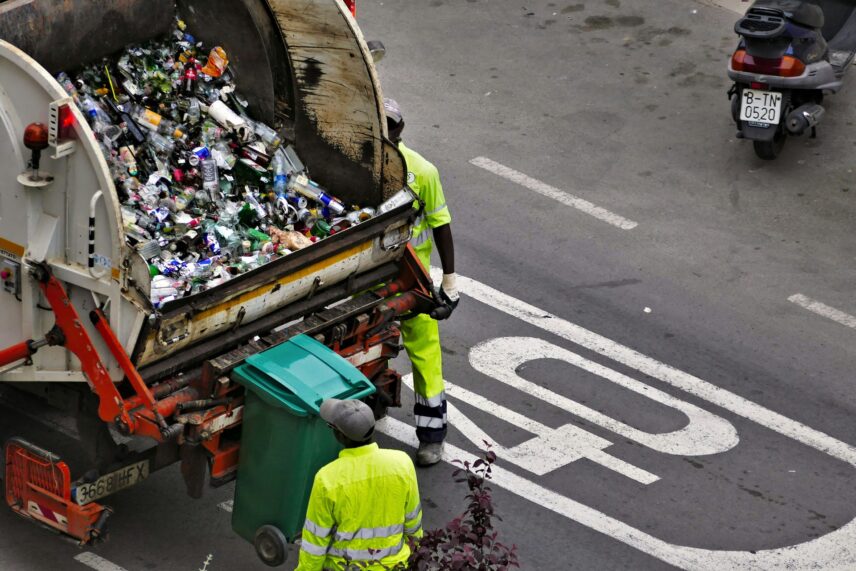
It’s easy to take garbage pickup for granted while ignoring the hazards these workers deal with every shift. There’s the physical toll of jumping on and off moving trucks in unpredictable traffic. However, the real danger often lies inside the trash bags themselves.
These workers have a fatal injury rate of 37.4 per 100,000 workers because they constantly interact with unknown, volatile materials. Hidden threats from viruses and biological substances to sharp objects and toxic chemicals lurk in every bag. Their vigilance prevents urban areas from drowning in hazardous waste, making them unsung heroes of public health.
8. Grounds Maintenance Workers
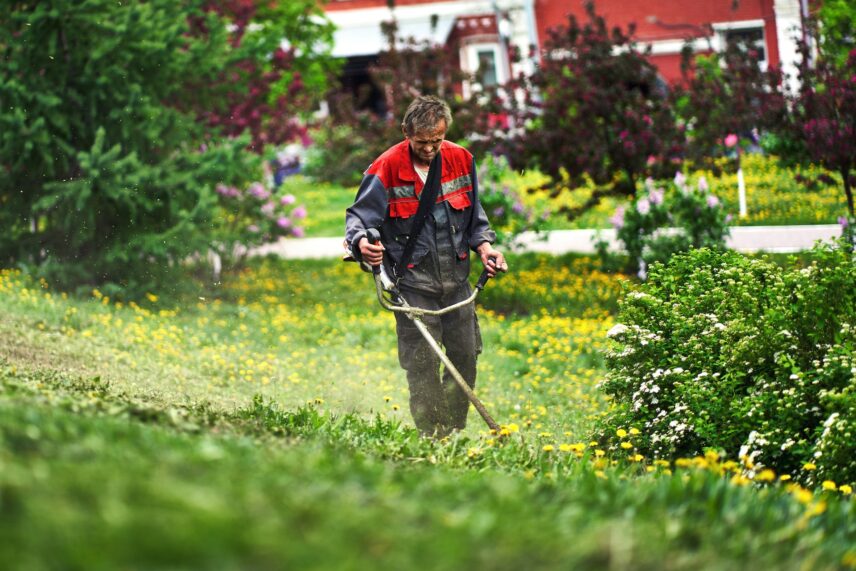
Manicured lawns and pristine parks come at a steep human cost. Operating heavy, razor-sharp machinery like mowers and chainsaws defines commercial landscaping work.
The BLS reports a fatality rate of 20.9 per 100,000 workers. Working in the dirt is riskier than it looks. In this occupation, fatal injuries occur almost five times more often than for the average American laborer. Staying alert and following safety protocols remains the only path home.
9. Bull Riders

Some professions involve adrenaline-fueled insanity. When your job involves strapping yourself to a pissed-off, 1,500-pound animal built for bucking, danger is an understatement. Imagine hitting the dirt hard, only to realize a massive hoof is coming down.
Unlike other jobs where safety gear mitigates risk, severe bodily harm is often a given for bull riders. Head trauma is the most common injury, with concussions from falls or direct contact. It takes rare toughness to dust yourself off and get back in the chute.
10. Firefighters
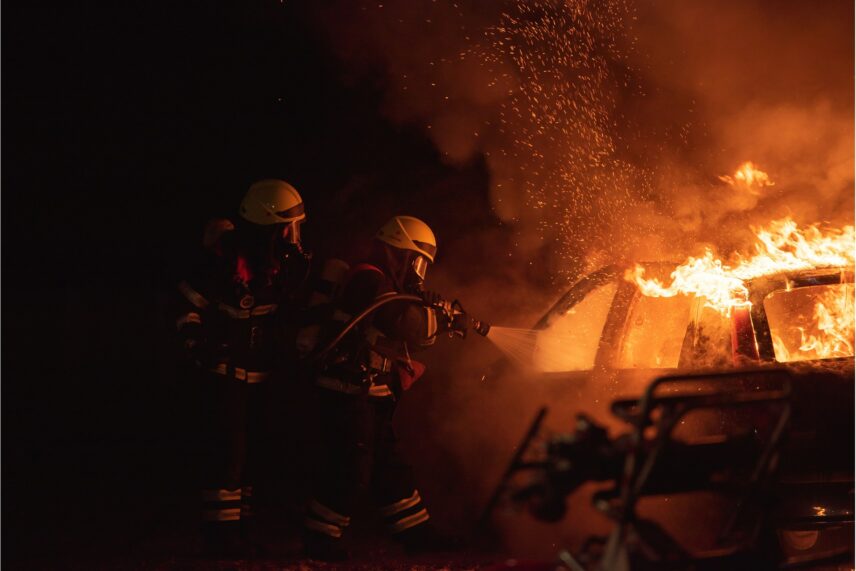
Firefighters face extraordinary environmental hostility. Picture the chaos of a structural fire. You’re navigating pitch-black, toxic smoke while floorboards give way and temperatures push past 1,000 degrees.
Carrying 70 pounds of gear into an inferno means walking a tightrope between rescue and disaster. Firefighters can get third and fourth-degree burns, which always require medical attention due to extensive tissue damage. These men willingly sprint toward the danger everyone else runs from, representing the pinnacle of occupational bravery.
Frequently Asked Questions
Understanding workplace danger involves more than reading statistics. These common questions help put occupational mortality data into context.
What is the hardest job in the world?
The answer depends on how you measure difficulty. Physical brutality makes logging and roofing extraordinarily hard. Crushing psychological pressure defines veterinary work and emergency response. Hardest is subjective and varies based on individual strengths.
Does pay correlate with danger level?
Not always. Some extreme jobs, like deep-sea welding or Alaskan crab fishing, offer lucrative hazard pay. However, workers in essential yet hazardous jobs like waste collection or grounds maintenance earn far less than the risks justify.
How are fatality rates calculated?
Organizations like the BLS measure danger by calculating fatal injuries per 100,000 full-time workers. This approach levels the playing field to give an accurate risk assessment.
A Dangerous Kind of Daily Grind
The next time your Wi-Fi cuts out or your spreadsheets refuse to load, take a breath and get perspective. A bad day at the office is infinitely better than dodging a swinging crane or braving a tunnel collapse. Salute to the people working the deadliest jobs that keep the modern world turning safely.