As an Amazon Associate, Modded gets commissions for purchases made through links in this post.
Streaming algorithms often trap viewers in an endless carousel of forgettable sitcom re-runs and formulaic action thrillers. Yet, Netflix continues to house some of the most emotionally resonant and investigative non-fiction cinema of the 21st century. Streaming has transformed from a digital video store into a powerhouse for prestige documentary filmmaking.
Whether you want an investigative sports thriller that uncovers geopolitical corruption or a deeply intimate portrait of familial grief, non-fiction storytelling offers an unmatched emotional punch. The medium strips away the polish of scripted drama. It delivers raw, unfiltered human experiences that stick with you long after the credits roll. If you’re looking to elevate your next streaming session, here are the six best documentaries on Netflix.
6. The Deepest Breath (2023)
Directed by Laura McGann, “The Deepest Breath” plunges audiences into the perilous and mesmerizing world of elite freediving. The documentary shares the journey of Italian champion Alessia Zecchini as she trains to break world records and conquer the notorious Arch at the Blue Hole in Egypt. This underwater cavern has claimed dozens of lives. Along the way, she crosses paths with expert safety diver Stephen Keenan. They form a deep personal and professional bond rooted in mutual trust and shared obsession.
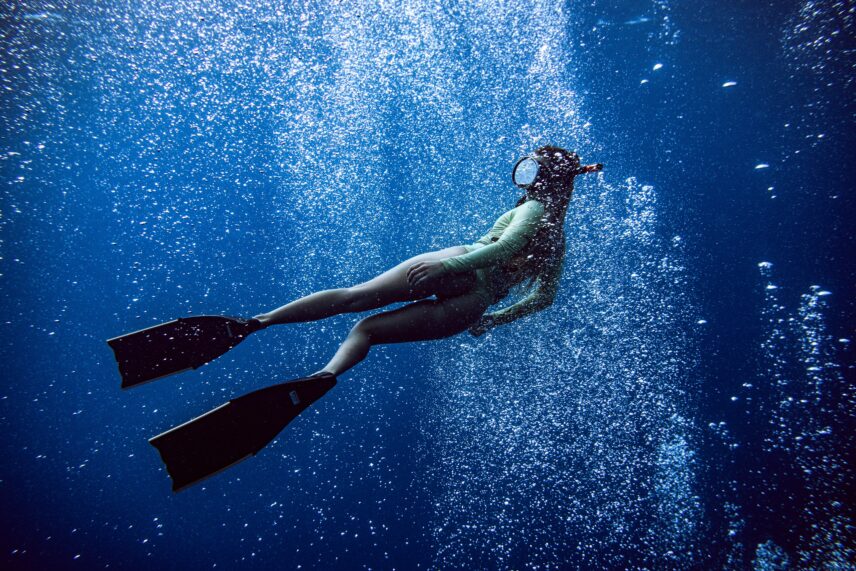
What makes the film unforgettable is its complete sensory immersion. McGann pieces together breathtaking underwater archival footage and agonizing first-person perspectives that capture the physical toll of extreme depths.
Divers battle blackout risks and sheer mental isolation in the dark abyss where a single mistimed breath means disaster. It plays out like a psychological thriller wrapped in a tragic romance. More importantly, it emphasizes the razor-thin margin between absolute euphoria and mortal danger in extreme athletics.
5. Dick Johnson Is Dead (2020)
Grief is inevitable, but filmmaker Kirsten Johnson approaches it with daring creativity and pitch-black humor in “Dick Johnson Is Dead”. Facing her father’s progressive dementia, Johnson devises an extraordinary coping mechanism, staging elaborate, comical on-camera stunt deaths for home.
Beneath the playful stunts and surreal heaven sequences lies an extraordinarily tender exploration of memory loss, aging and filial devotion. The documentary won the Special Jury Award for Innovation in Non-fiction Storytelling at Sundance because it invents a completely new cinematic vocabulary for mourning. It lets two family members stare directly into a void of mortality, defanging fear through shared laughter and collaboration.
4. American Factory (2019)
Directed by Steven Bognar and Julia Reichert, American Factory provides a masterclass in observational journalism. The Oscar-winning documentary tracks what happens when a Chinese billionaire opens a factory in Ohio, hiring thousands of blue-collar American workers alongside veteran Chinese imports to kick-start manufacturing in the Rust Belt.
The film avoids simple heroes and villains, instead delivering a nuanced look at global economic friction and profound cultural differences. The American workers long for living wages and safety standards. The Chinese management expects total personal sacrifice and militaristic efficiency. As tensions escalate toward a pivotal union vote, American Factory paints a sobering, prophetic picture of the modern globalized workforce colliding head-on with corporate interests and the unstoppable rise of factory automation.
3. My Octopus Teacher (2020)
When South African filmmaker Craig Foster suffered severe professional burnout, he sought refuge by free-diving daily in a frigid underwater kelp forest off the coast of Cape Town. There, he encountered a young, curious female octopus and spent nearly a year visiting her daily. Foster movingly earns her trust and observes her fragile, fleeting existence on the ocean floor.
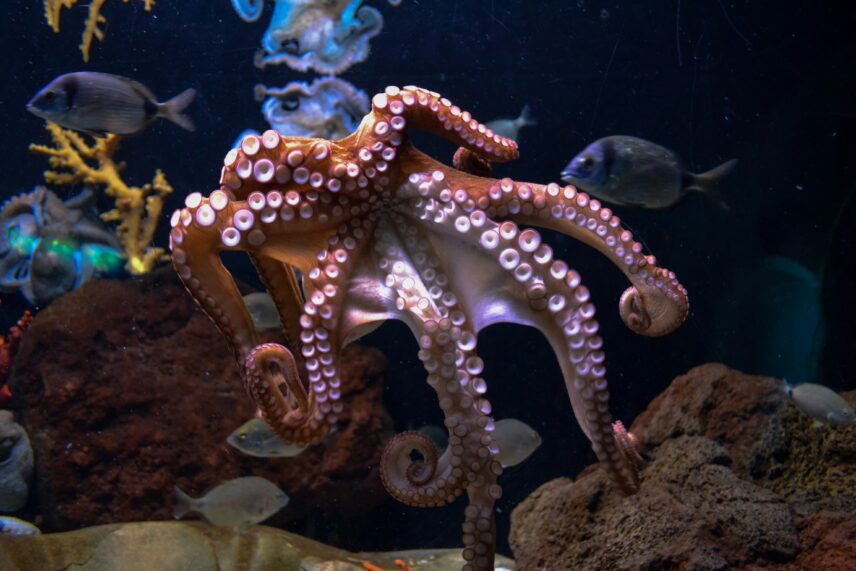
Directed by Pippa Ehrlich and James Reed, My Octopus Teacher won the Academy Award for Best Documentary Feature by turning a simple nature diary into an allegory on vulnerability and ecological connection. While the academy can occasionally make the wrong choices, this was not one of those instances.
Audiences watch in awe as the cephalopod demonstrates ingenious problem-solving, camouflage techniques and incredible resilience against predatory pajama sharks. The film’s emotional power comes from Foster’s realization that humanity and nature are not separate.
2. 13th (2016)
Ava DuVernay’s 13th is a staggering piece of investigative scholarship and political filmmaking. Named after the Thirteenth Amendment to the United States Constitution, which abolished slavery except as a punishment for a crime, the documentary traces the direct historical lineage between chattel slavery and the modern American prison-industrial complex.
Through a razor-sharp blend of archival footage, demographic data and testimony from scholars and activists, DuVernay meticulously illustrates how successive political eras weaponized criminalization. From post-Civil War vagrancy laws to the War on Drugs and the mass incarceration booms of the late 20th century, the film deconstructs systemic policy with undeniable intellectual clarity. Nominated for an Oscar and winner of multiple Emmy Awards, 13th remains an essential, blistering analysis of modern racial and economic inequality.
1. Icarus (2017)
What began as a personal stunt quickly spiraled into one of the most explosive geopolitical thrillers in modern sports history. By subverting directional expectations, this movie avoids the shallow predictability that is a clear tell of an overrated movie.
Director and amateur cyclist Bryan Fogel initially set out to show how easily athletes could bypass anti-doping tests by taking performance-enhancing drugs himself under medical supervision. To carry out the experiment, he connected with Dr. Grigory Rodchenkov, the head of Russia’s national anti-doping laboratory, which was particularly intriguing considering that the country’s athletes have faced doping allegations for over four decades.

As their relationship deepened, Rodchenkov dropped a bombshell. He revealed that he was running a massive doping scheme that systematically manipulated drug tests at the 2014 Sochi Winter Olympics under direct orders from high-ranking Russian officials. The documentary masterfully unveils the intricacies of one of the significant state-sponsored doping scandals in history.
As international agencies closed in, Fogel helped Rodchenkov flee to the United States to blow the whistle. This was effective, turning the camera on a frantic fight for survival. Icarus won Netflix its very first Academy Award for Best Documentary Feature, standing as a benchmark for how non-fiction filmmaking can alter international politics and sports history in real time.
The Power of Real Stories
Documentaries hold a unique mirror up to society, stripping away manufactured happy endings to show the world as it operates. These six titles represent the absolute pinnacle of Netflix’s documentary slate, spanning breathtaking athletic ambition, deeply personal reflections on mortality and explosive systemic investigations that changed world policy. The next time you’re in an endless scroll, consider queuing up one of these documentaries for an unforgettable experience.