As an Amazon Associate, Modded gets commissions for purchases made through links in this post.
If you walked into a theater recently to catch the surreal, nightmarish “Backrooms,” you weren’t just watching another studio blockbuster. You were watching cinematic history unfold. The box-office hit grew from Kane Parsons’ virtually no-budget YouTube series, inspired by a creepypasta that originated on 4chan in 2019.
The film has given the internet horror trend fresh momentum, inspiring a wave of films based on cryptic online stories and lore. So where does the genre go from here?
How “Backrooms” Accelerated Hollywood’s Internet Horror Gold Rush
You probably remember the first time director Kane Parsons’ yellow-carpeted nightmare “Backrooms” surfaced on your feed. What began as a short, disorienting horror experiment uploaded by a 16-year-old high school student tapped into viewers’ fascination with unsettling, seemingly empty spaces. The ‘liminal space’ YouTube series caught A24’s attention after becoming an online hit, sparking a change in where Hollywood draws its ideas and stories.
The movie became a major commercial success, grossing more than $400 million worldwide against a reported $10 million production budget. The film’s triumph strengthened A24’s reputation for backing unconventional horror, showing how a creator with an established online following can connect with theatrical audiences.
While Hollywood is investing in online horror creators and their established fan communities, the approach isn’t new. David F. Sandberg’s 2016 feature “Lights Out” grew from his viral YouTube short. The director’s meteoric jump from indie channel to studio filmmaker served as both an inspiration and a viable roadmap for the creators who followed. “Backrooms” has since catapulted the internet horror trend to where it is today.
What Makes the Best Internet Horror Stories Work
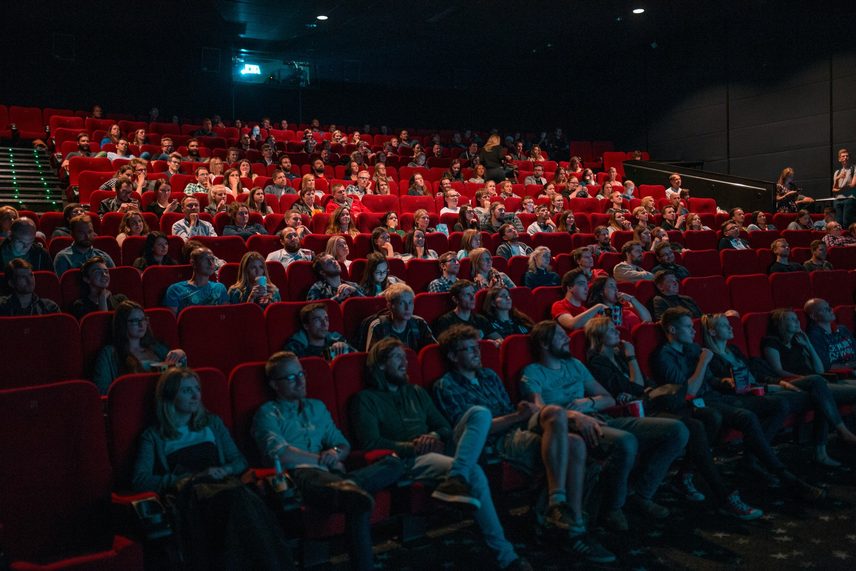
Studios aren’t chasing viral videos out of creative charity. Online horror properties come with recognizable concepts and already engaged communities, potentially helping studios attract audiences and reduce uncertainty around unfamiliar stories. Millions of views, fan theories and organic engagement can demonstrate interest before a feature enters production.
Director Curry Barker’s “Obsession” illustrates the commercial potential of online creators. The film combined strong word-of-mouth with an immersive marketing campaign. According to Variety’s September 20, 2026, report, it had grossed $516 million worldwide against a $750,000 production budget.
Younger audiences represent an important theatrical market, cementing these films in the cultural conversation. Cinema United’s December 2025 report, citing NRG research, found that U.S. Gen Z audiences averaged 6.1 theater visits annually, the highest frequency among the age groups studied. That engagement gives studios another reason to explore creators and stories with established online followings.
Internet-born horror can bring distinctive visual styles, unsettling atmosphere and unconventional storytelling to the big screen. With more adaptations entering development, studios are expanding their investment in these creators and communities.
The Next Wave of Internet Horror Adaptations
As studios pursue adaptations of online horror stories, the coming years may bring some of the internet’s most viral urban legends to nationwide multiplexes. At least four prominent adaptations have been announced or entered development:
Siren Head
Artist Trevor Henderson created an instant legend with Siren Head, a towering, rusted cryptid with broadcast speakers for a head. The concept spread across gaming streams, fan art and audio experiments, eventually catching the attention of major studios.
The film eventually landed at Warner Bros. following a five-way bidding war. It will be directed by Brian Duffield, who co-wrote the script alongside Zach Cregger, the modern horror heavyweight who directed “Barbarian,” “Weapons” and “Resident Evil.” The original creator, Trevor Henderson, will serve as executive producer.
Jeff the Killer
While major studios tap seasoned Hollywood names to helm their flagship properties, not every upcoming adaptation is following conventional corporate avenues. In fact, one of the web’s oldest and most notorious horror characters is taking a creator-led route toward a feature adaptation.
The planned “Jeff the Killer” film suggests that producers see potential in both older internet legends and newer analog-horror projects. The character first appeared online in 2008, although his backstory has evolved through multiple versions. A widely circulated account follows a teenager who becomes a killer after being disfigured during an encounter with bullies.
TikTok creator Savanah Moss is developing the adaptation with Tongal and will produce alongside Mark Korshak and Michael McKay. Her involvement brings an online creator into a key creative role.
SCP Foundation
For over 15 years, the SCP Foundation has operated as a crowdsourced creative writing archive documenting anomalies, paranormal objects and eldritch entities kept hidden from the public eye. Now, that massive collaborative lore is stepping into the cinematic mainstream.
A24 is teaming with Spooky Pictures and Image Nation Studios on “V/H/S: SCP,” a multi-director anthology targeting a 2027 theatrical release. Individual segments will explore different anomalies, linked by an overarching containment-breach narrative.
The Mandela Catalogue
Few modern horror projects captured the cold dread of religious paranoia and VHS distortions quite like Alex Kister’s “The Mandela Catalogue.” Chronicling hostile doppelgangers known as Alternates invading emergency broadcasts and television sets, the project has captured an enormous digital following.
The film will be built on the original YouTube anthology that garnered over 100 million views. Series creator Alex Kister will also direct the feature adaptation. United Artists, Amazon MGM Studios and Steven Spielberg’s Amblin Entertainment secured the project following a competitive bidding war, with a theatrical release scheduled for June 9, 2028.
How to Spot the Next Internet Horror Breakout
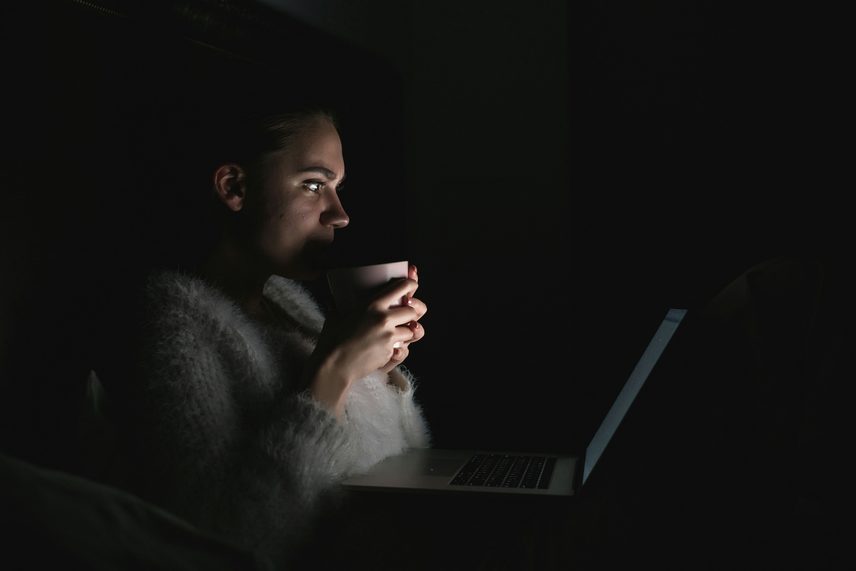
If you want to track where tomorrow’s blockbuster horror ideas will come from next, you’ll need to look where the studio scouts are quietly spending their evenings. Indie games, online horror communities and independent animation offer useful places to discover emerging creators and concepts. Here’s how to stay ahead of the cultural curve and find the next viral sensation today:
- Explore indie game platforms: Keep tabs on itch.io and Steam demo showcases focusing on indie horror games where developers experiment with psychological tension and nonlinear audio mechanics.
- Track analog alternate-reality games on YouTube: Search for collaborative alternate-reality games and web series with lo-fi archival aesthetics, where visual storytellers deliver masterclasses in atmospheric tension.
- Dive into internet mythology archives: Follow Reddit communities dedicated to creepypasta culture, lost-media investigations and video games canceled before release, where crowdsourced urban legends often evolve into fully realized horror concepts.
- Watch creative short-form animators: Keep an eye on independent 3D animators on Blender forums and YouTube who blend liminal spaces with procedural sound design to build complete worlds in under five minutes.
Internet Horror’s Hollywood Takeover Is Just Getting Started
The success of the internet horror story-turned-film “Backrooms” shows how hungry the industry is for original ideas. Today, major studios and established filmmakers are investing in digital creators, turning bedroom animators and internet authors into this generation’s voices of horror.
As internet stories continue to push the boundaries of psychological dread, we’ll see stranger and bolder films hit theaters in the coming years.