As an Amazon Associate, Modded gets commissions for purchases made through links in this post.
Understanding the new car vs used car pros and cons is the most definitive way to make an informed choice. This decision holds even greater significance in 2025 amid evolving technologies, customization possibilities and changing consumer preferences.
Explore each option’s benefits and drawbacks so you can purchase your next vehicle with confidence.
What Are the Pros of Buying a New Car?

Purchasing a brand-new vehicle is one of your most significant investments, second only to buying a home. This fact alone should compel you to exercise due diligence before finalizing the transaction. Acquiring a new car has many positive aspects, including the following:
Pristine Condition
Nothing compares to the feeling of cruising out of the dealership in a sparkling new ride. The allure of being the first to experience the fresh scent, flawless exterior, and untouched interior of a car in mint condition evokes a sense of pride and satisfaction.
State-of-the-Art Features
From advanced safety systems to the latest infotainment options, buying a new car ensures you enjoy access to the latest auto innovations. Enhanced connectivity, 360-degree safety view cameras and adaptive cruise control are essential for driving on today’s roads — but are sorely lacking in older vehicles. New cars also tend to have better miles per gallon, with newer models showing a 46.1% increase in fuel efficiency than vehicles from 20 years before.
Multiple Auto Financing Options
Generally speaking, you’re more likely to get a good financing deal for a new car than a used one. New vehicles depreciate at a slower rate initially, providing lenders with more security in case of loan default. Moreover, manufacturers and dealerships frequently offer promotional financing and incentives to encourage new car sales.
Warranty and Service Benefits
One of the most compelling advantages of buying a new car is the comprehensive warranty against unexpected repairs and maintenance costs. This level of coverage trumps any third-party warranty for used vehicles, providing greater peace of mind for a longer period.
Additionally, auto dealers may offer extended warranties and free add-on services like roadside assistance and satellite radio connectivity. These features are harder to get with used vehicles and certainly not for free.
Customization
As a new car buyer, you can tailor your vehicle to suit your preferences. Whether selecting specific colors, trims or optional features, you can easily customize your car according to your unique tastes and requirements.
Cons of Buying a New Car
Despite their numerous benefits, new car purchases have a few distinct drawbacks you should be aware of before signing the dotted line.
Depreciation
According to industry experts, the value of a new vehicle drops by about 10% within the first month after you drive off the lot and around 20% in the first year. This depreciation can significantly impact the vehicle’s resale value over time, leading to potential financial losses should you decide to sell or trade in the new car later.
Higher Cost
According to Experian, a new car costs roughly $21,000 more than a used one. This vast difference can present a barrier if you’re budget-conscious. In addition to the initial purchase price, you may face higher insurance premiums, registration fees and taxes, contributing to the overall cost of ownership.
What Are the Pros of Buying a Used Car?
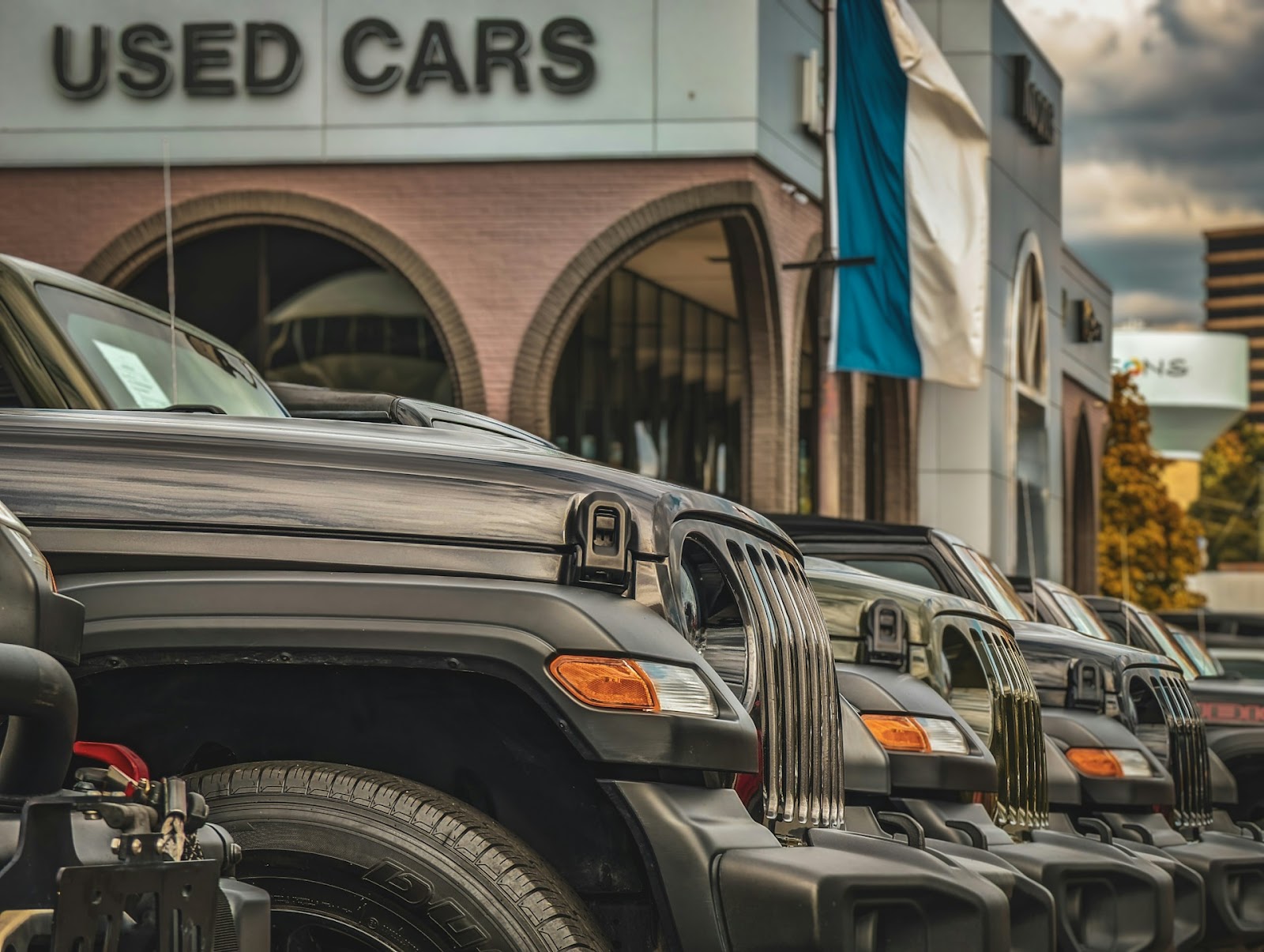
There are several reasons to consider buying a used car over a new one.
Lower Cost
Used vehicles are generally more affordable, and their prices tend to decrease more quickly, making them an attractive option for budget-conscious consumers. According to a recent report, the average cost of second-hand cars dropped by 4% in 2023. You also have a bit of wiggle room to negotiate even lower prices.
Reduced Depreciation
A used car has already undergone the steepest depreciation curve, meaning you can avoid the rapid value loss experienced by new auto owners. Of course, the actual rates vary depending on the vehicle’s model and year, but overall, a new car depreciates quicker than a used one.
Variety and Availability
The used car market offers a wide selection of makes and models, providing more choices to find a vehicle that suits your preferences and budget. This diversity lets you explore different options and potentially discover a well-maintained used car with desirable features at a lower price point.
Cons of Buying a Used Car
Purchasing a used vehicle can be a smart financial decision, but there are some key potential drawbacks to consider.
Obscure History
Even with vehicle history reports, you might not have a full picture of the car’s past. Previous accidents, repairs, or maintenance issues may not be fully documented, so you end up paying for more than you originally bargained.
Potential Maintenance Issues
Even if you buy a used car in great condition, it will likely require more frequent repairs and maintenance than a new car. Over time, the amount you spend might even exceed the cost of purchasing a new vehicle, which can lead to severe buyer’s remorse.
Limited Warranty Coverage
Unlike new cars that typically come with comprehensive warranty protection, used vehicles may have limited or no warranty coverage, leaving you vulnerable to unexpected repair expenses.
Outdated Technology
Older vehicles may lack the latest technological advancements found in newer models. For instance, a five-year-old car may lack modern driver-assist technologies like lane-keeping assist or adaptive cruise control, potentially compromising comfort and safety.
Top Considerations When Choosing to Buy a New or Used Car

As you choose between a new or used car, your needs and preferences will likely impact your final decision. The most important considerations include:
- Budget: How much can you afford? Remember, the initial cost is not just the down payment. Whether you’re buying a used or new vehicle, you’ll need to account for insurance, tax, gas, and other expenses.
- Vehicle type: Are you purchasing the car for a particular purpose? For instance, if you’re in the market for a compact SUV but can’t afford one brand new, a used option is the next best thing.
- Maintenance profile: Determine how much you’re willing to spend on maintaining the car. For example, high-end foreign vehicles often have difficult-to-locate parts, complicating repair costs and time frames.
- Financing options: You want to feel certain that you’ll be able to get the vehicle you want on the best possible terms.
Settle the New Car Vs. Used Car Pros and Cons Debate for Good
Ultimately, deciding between a used and a new car in 2025 depends on your requirements, budget and preferences. While new vehicles offer the latest features and more favorable financing options, they’re also more expensive and risk rapid depreciation. On the other hand, used cars are more affordable but have higher maintenance costs and a limited warranty.
Like any major purchase decision, take the time to shop around and compare options. You’ll feel more confident about your choice after covering all key considerations.