As an Amazon Associate, Modded gets commissions for purchases made through links in this post.
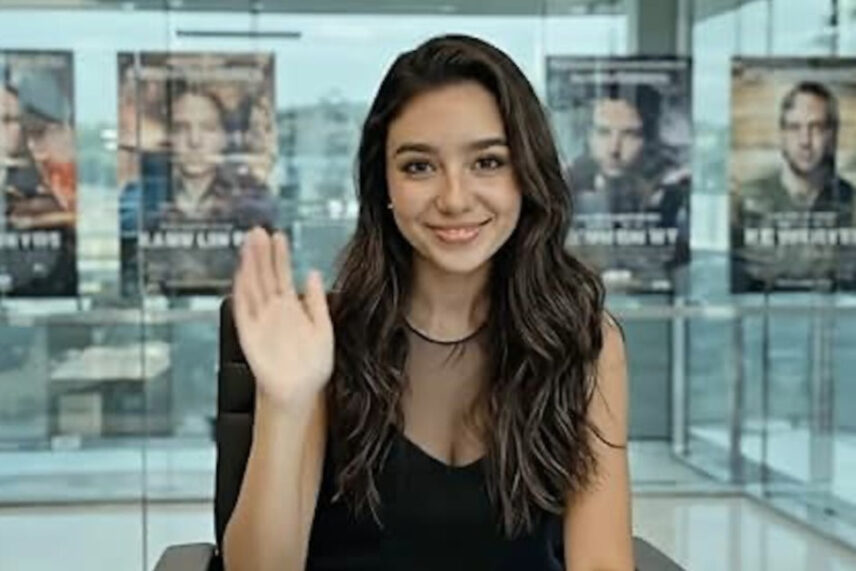
Meet Tilly Norwood, Hollywood’s newest and most intriguing movie star. Generated entirely by artificial intelligence, her flawless performances and endless availability represent a monumental leap in entertainment technology. Is the advent of Tilly the natural evolution of cinema, or does it signal a departure from the human element so long cherished in art?
The rise of digital actors like Tilly forces the question of the very nature of celebrity and creativity, blurring the lines between authentic performance and programmed perfection in a constantly evolving world of filmmaking.
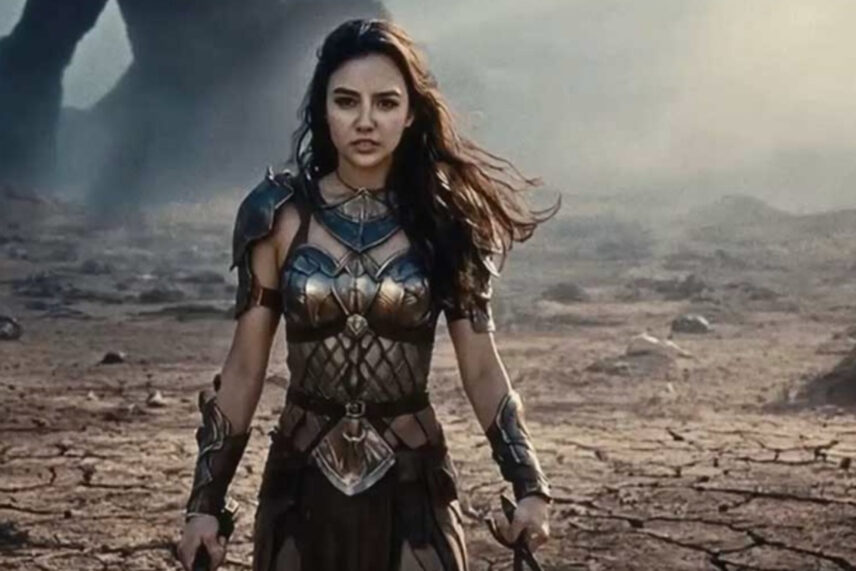
AI in Entertainment
The concept of artificial intelligence in entertainment is not new. In fact, it’s been a core component of video games where, for decades, gamers have interacted with AI-driven non-player characters (NPCs). This experience with AI has allowed the industry to investigate the possibilities and limitations of digital personalities firsthand, with AI NPCs now appearing in certain mainstream titles.
As Hollywood begins exploring AI-generated actors, it can learn valuable lessons from gaming’s extensive experimentation. The key is understanding how to create compelling, believable characters that resonate with viewers, regardless of their origin. The central question facing the film industry today remains — is this technological innovation a pathway to telling incredible new stories, or will it ultimately strip the human soul from cinema by replacing natural creativity with calculated code?
The Promise of the “Perfect” Performer
From a studio’s perspective, an AI-generated actor could be a perfect asset. Imagine a star who is eternally youthful and can play a 25-year-old for decades without aging. This performer is completely scandal-proof, eliminating the massive reputational and financial risks tied to an actor’s unpredictable personal life. Furthermore, their appearance, voice and personality can be customized to fit any role, fulfilling a director’s exact vision, no matter the part. In many ways, Hollywood studios can finally fulfill their long-held desire for absolute control over their acting talent.
The financial incentives are even more compelling. An AI star commands no extravagant salary demands or complex contract negotiations with powerful agents. There is no need for lavish trailers or specific on-set perks. This digital performer “works” 24/7 without breaks, enabling production schedules previously unheard of in terms of efficiency and streamlining. For an industry driven by the bottom line, the presence of high-performing, low-cost and entirely predictable stars is an undeniably powerful, promising maximum return on investment.
But Can a Machine Actually Act?
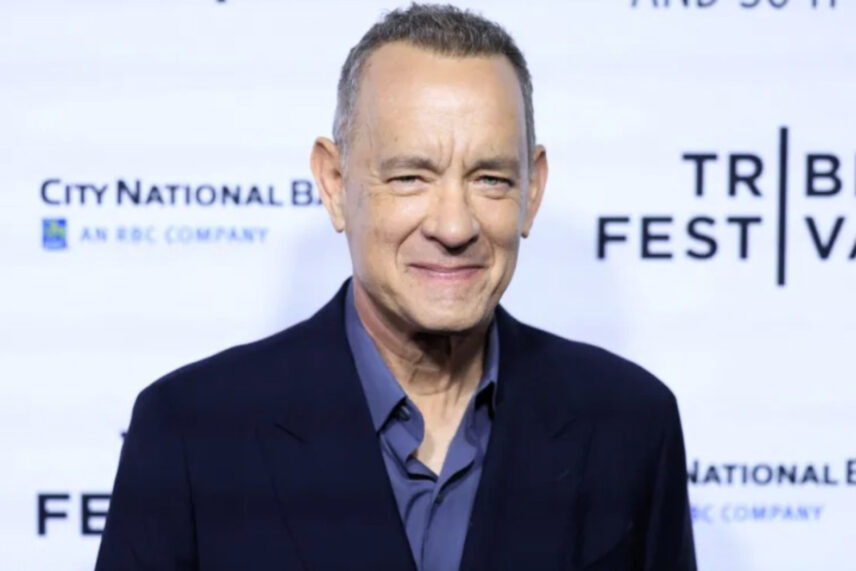
The perceived benefits above will spark a debate that could force you to question the very nature of what’s most important in an actor and, indeed, a performance. Should great acting be about conveying an intangible human essence, not only flawlessly delivering lines? Consider the gold standard set by actors like Tom Hanks, whose quiet dignity and charisma in roles from “Saving Private Ryan” to “Forrest Gump” command the screen, building an almost personal trust with the audience.
Can an algorithm, however sophisticated, truly replicate the subtle, unscripted spark of vulnerability and warmth that resonates so deeply with us? Is it possible to program a soul?
Despite the presence of soul among human actors, the idea of a “perfect” performance is a fallacy. Art is inherently subjective. As fiery debates over the least deserving Oscar winners prove year after year, even humans can’t agree on what constitutes the “best” acting. You’ll argue with fellow critics, champion underdogs and celebrate flawed, emotional and messy performances. There is no consistent standard for judging human artists, so how could we possibly create a fair metric to evaluate an AI? The concept of an award-winning algorithm feels nonsensical in a field defined by such passionate, human subjectivity.
The Risk of Losing the Human Connection
Further to debating artistic merit, there’s also a more fundamental risk. A human connection sits at the heart of storytelling and even a technically perfect AI performer could fall into the valley that forms the disquieting space where a creation is almost, but not quite, human. Ending up in this cavern could evoke unease rather than empathy. An audience that fails to see a flicker of genuine, shared humanity in a character’s eyes is likely to remain emotionally detached from the character and its subsequent journey.
The performance will become a technical marvel of observation, not an emotional “feeling” experience. This potential for detachment isn’t limited to film.
Consider how AI is changing modern dating, where algorithms “gamify” the search for a partner and create an emotional distance from identifying a true human connection. A similar danger exists for cinema. If you know a character’s tears are just lines of code and their laughter a manufactured algorithm, you risk becoming a disengaged spectator. The stakes will feel lower, the triumphs less sweet and the tragedies less impactful, wouldn’t they?
What All This Means for Your Next Movie Night
So, next time you settle in with your popcorn and soda, what will this all mean for you? The rise of AI in cinema doesn’t have to be something that only happens to us. As an audience, you have a powerful voice in this conversation. You can become a more conscious media consumer by keeping a few things in mind.
First, look for the “why.” When you encounter a seemingly perfect digital character on screen, ask yourself whether its existence serves the story’s soul or simply caters to the studio’s bottom line. Is it a creative choice that allows for a truly meaningful narrative, or purely a cost-saving measure? Second, vote with your viewing habits by supporting films built around strong, resonant, human-led performances, sending the clearest possible message to Hollywood about what you truly value.
Finally, recognize all the human artists involved. A movie is more than its stars but is the product of writers, directors, set designers and composers whose collective creativity is the true engine of Hollywood. Ultimately, the future of film isn’t just in the hands of tech moguls but in your own.
The Final Scene
The arrival of AI actors finds Hollywood at a crossroads, creating a core conflict between the studio’s dream of a perfect, controllable asset and the audience’s need for a genuine, human connection. Tilly Norwood is more than just a technological marvel — she is a test, forcing us to decide what we truly want from our movies and movie stars. As this new chapter of cinema unfolds, the power rests with the audience to answer a fundamental question. Do you want to watch a story told by a perfect machine or an imperfect person?