As an Amazon Associate, Modded gets commissions for purchases made through links in this post.
Ever feel like you’ve seen everything a controller and screen can offer? What if the game wasn’t just on your TV, but was happening in the world all around you? Alternate reality games shatter traditional digital boundaries by weaving fiction directly into daily life. Players step into interactive narratives where real-world clues, hidden websites and secret phone calls transform ordinary surroundings into part of the story.
What Exactly Is an Alternate Reality Game?
An alternate reality game is an interactive narrative that unfolds in real life, rather than on a screen or in a sequestered room. Instead of holding a controller, players solve cryptic puzzles, crack coded websites and inspect physical locations to reveal hidden chapters
Unlike virtual reality, which builds a simulated digital environment, an ARG uses real-world elements as part of the experience. An ARG flips that concept by transforming your everyday environment into the primary game board.
Game creators design these experiences so participants feel like active characters inside a living mystery instead of observers.
There are plenty of companies that have already used this storytelling method. Immersive theme parks like Evermore Park dropped visitors into living fantasy towns packed with actors, quests and physical clues. Similarly, Knott’s Berry Farm offers live-action experiences in theme parks where guests decipher codes to influence the story’s outcome.
For ARGs to be what they are, they have to impact the real world. Players still collaborate across online communities via email updates or text messages. In these communities, gamers will trade theories, compare findings and push the plot forward together.
Why Should You Give ARGs a Try?
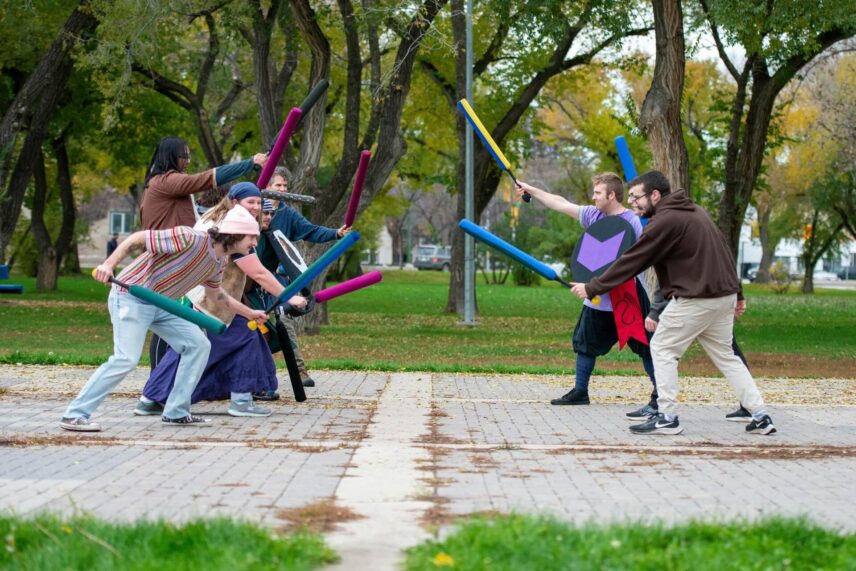
Looking for fresh gaming thrills that don’t involve traditional screens? Alternate reality games offer interactive storytelling that turns everyday life into a playable mystery.
Escape the Toxicity of Online Lobbies
Mainstream competitive gaming often suffers from toxic behavior driven by the online disinhibition effect, which enables people to lash out.
ARGs help to diminish this problem by supporting collaborative communication. When solving a real-world puzzle requires working with teammates, personal accountability has to replace hostility, or the game falls apart. Players collaborate across forums and physical meetups, building genuine communities centered on shared curiosity.
The Thrill of Real-World Discovery
Traditional games guide players with glowing quest markers and mini-maps. ARGs often remove safety nets, allowing participants to uncover secrets through intuition and careful observation. Imagine cracking an encrypted website after spotting a hidden clue on a street poster or receiving a mysterious phone call that validates a long-shot theory.
While some game leaders will tell you a general location, there’s a lot of emphasis on exploring. You won’t find that dreaded yellow paint on everything.
More Examples of ARGs to Try Right Now
The world of unfiction expands into physical spaces, digital art installations and collaborative web sleuthing. Check out the latest immersive projects expanding narrative limits in gaming:
- Location-based mysteries: Deciphering geocoded coordinates, inspecting physical drop boxes and hunting down real-world landmarks drive local city puzzle hunts and other real-world clue trails.
- Audio-based transmedia stories: Audio broadcasts from projects like Welcome to Night Vale or interactive horror channels disguise secret phone lines and code ciphers directly within the sound design, drawing listeners into deep lore investigations.
- Web-based ARGs and puzzle mysteries: Projects like Cicada 3301 and the larger mystery around Inscryption use online clues, community collaboration and hidden information to pull players into deeper investigations.
- Large-scale art installations: Venues created by collectives like Meow Wolf build physical environments filled with secret passages, touch-responsive light arrays and narrative terminals that reveal hidden storylines as visitors explore.
- Phone-based investigative dramas: By utilizing automated texting networks and real-time voicemails, mobile-first ARGs place players right in the middle of a live missing-persons case through an intercepted phone.
How Do You Start Your Own Real-Life Adventure?
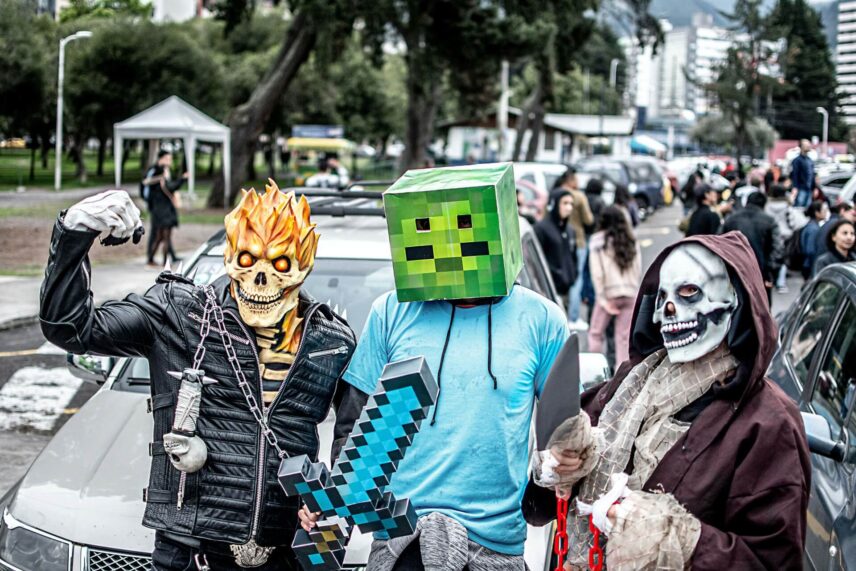
Taking control of game design allows players to craft custom real-world adventures for friends. Modifying reality creates unmatched entertainment for gamers and casuals alike.
Think of It Like D&D House Rules for Reality
Tabletop gamers alter rulebooks to maximize excitement, and designing an ARG follows that exact mindset. Dungeon Masters invent custom homebrew mechanics to increase the fun per hour, and creators can apply those same concepts to physical surroundings.
Game runners can write custom lore and set up specific parameters for how players interact with clues. Altering real life into a personalized game world changes an ordinary neighborhood into an active story campaign. You’re like the mastermind behind the curtain.
Finding the Right-Sized Group for Your Game
Managing a custom narrative requires keeping player counts manageable. Gathering a small squad keeps logistics smooth while ensuring every participant plays a meaningful role in solving clues. Experience shows that four to eight people is the sweet spot for cooperative events, and that exact principle applies to self-made adventures.
Massive crowds often create confusion, leaving quieter participants standing in the back while two or three dominant players solve everything. Smaller groups make it less likely that participants will feel left out, which helps maintain the high energy needed for the game.
Simple Tools to Build Your World
Crafting a believable mystery doesn’t require software expertise or massive budgets. Accessible, free tools make puzzle creation entirely achievable for anyone willing to plan:
- Digital locks: Setting up a free Wix website with password-protected pages creates digital gates for players to crack using hidden codes.
- Secret contacts: Registering a temporary Google Voice phone number lets creators send automated text clues or record cryptic voicemail messages to analyze.
- Physical triggers: Printing low-cost QR codes and sticking them on street posters or park benches links physical locations directly to online story clues.
For those interested in building a story world on a grander scale, studying transmedia design principles, like the World-Audience-Game or W-A-G pipeline, is a great way to create a professional narrative for games. If you want to write a book, the same principles that help with ARGs for beginners can even help with that. That’s because you’re creating a full narrative.
The Growing Market for Immersive Experiences
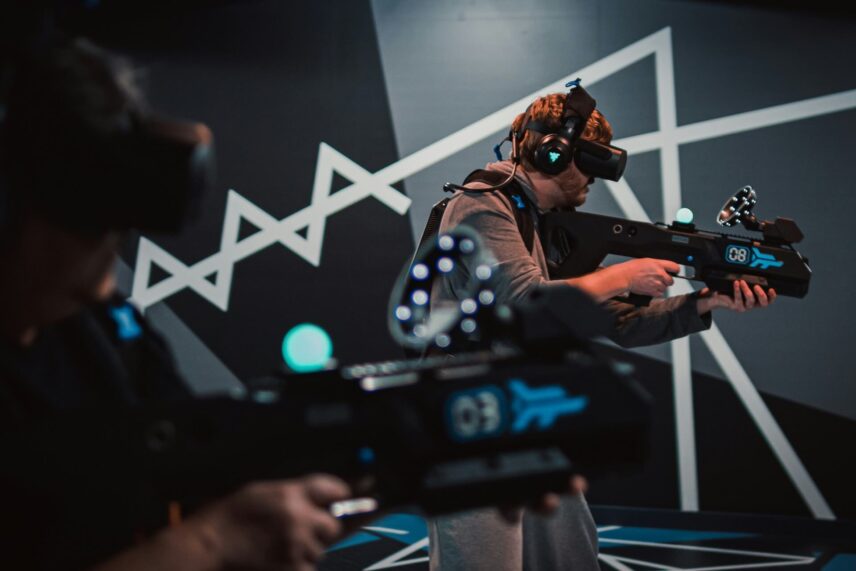
Alternate reality games and interactive platforms are a massive, expanding sector within mainstream global entertainment. Major media companies, independent studios and event designers invest in these formats to capture player attention in new ways.
Hard financial figures highlight this shift. Market analysts valued the global alternate reality game platforms market at $4.2 billion in 2025, showing strong financial interest in immersive storytelling platforms. Industry reports anticipate this momentum will sustain a compound annual growth rate of 14.8% through 2034.
With more financial backing, you can expect to see higher production values, richer narrative worlds and broader accessibility for participants everywhere. Hopefully, real-world puzzle hunts and live interactive theater will continue to draw larger crowds.
Are You Ready to Play?
Alternate reality games redefine entertainment by engaging your mind, uniting friends and pulling stories straight into daily life. Jump into an established online investigation today, or gather a squad to draft a custom real-world scenario. Your next great mystery is close at hand.