As an Amazon Associate, Modded gets commissions for purchases made through links in this post.
As gaming evolves, the industry faces new challenges and responsibilities, especially in ensuring a safe environment for players of all ages. This is why PlayStation is implementing age verification checks starting in June 2026. It currently only applies to the UK and Ireland, but it may soon extend to the U.S., which has broad implications for the gaming ecosystem.
The PlayStation Age Verification Explained

The PlayStation age verification is a mandatory, one-time process that Sony is implementing starting June 2026. It confirms a user’s age to comply with regulations and ensure access to age-appropriate features. The initial launch focuses on regions with specific online safety regulations, such as the UK and Ireland.
Why Is Sony Requiring Age Verification?
The primary driver for the PlayStation age verification is the need to adhere to evolving online safety laws in various countries. It’s in line with regulations like the UK Online Safety Act, which mandates platforms to implement robust age checks to prevent minors from accessing inappropriate material.
By verifying age, Sony can better tailor its user experience and ensure everyone’s safety. This could mean restricting adult-oriented content for younger players or limiting who can communicate with them.
Which Features Are Affected?
Starting June 2026, players in the UK and Ireland who do not verify their age will lose access to critical features, such as:
- Messaging: Sending and receiving private messages with other players
- Voice chat: Participating in party chats or in-game voice communication
It’s crucial to note that noncompliance with the PlayStation age verification update entails a total account lockdown. Sony has clarified that it will not impact the core gameplay experience. Even without verification, you can still play single-player and online games, earn trophies and access and purchase content from the PlayStation store. Regardless, the policy has led to significant backlash from the gaming community.
How Can Players Verify Their Age?
Sony provides three different methods to complete the one-time check.
- Facial age estimation: Take and submit a selfie, which will be analyzed by a third-party service to estimate your age.
- ID document: Upload a picture of a valid, government-issued ID, such as a passport or driver’s license.
- Mobile phone number: Confirm your contact details, and the system will verify your age using the information held on file by your mobile phone provider.
To be clear, Sony is not handling the verification process directly. It relies on a third-party service called Yoti, a company that specializes in digital identity and age verification.
What Happens to Your Data?
According to Yoti, the data gathered during the PlayStation age verification will be used solely for the purpose of age estimation. The system deletes it immediately after the process is complete.
A Look at the PlayStation Age Verification in the UK and Ireland
Gamers in the UK and Ireland are in a grace period where they are being prompted to verify their age before the mandatory cutoff. Some users report receiving a significant number of emails and console notifications about the change. The persistent stream of reminders had been a notable part of the rollout, as Sony pushes for widespread compliance before the deadline.
This region is effectively the testbed for Sony’s new age verification system for the console that sold more than 50 million units three years after its launch. How this rollout unfolds in the UK and Ireland, from user compliance rates to any public backlash, will likely influence how and when Sony decides to expand the program to other countries. The rollout started in June 2026 and will continue through the summer.
A U.S. Launch Seems Inevitable
While not yet announced, a similar update in America appears to be a matter of “when,” not “if.” Numerous states are enacting their own online safety and digital privacy laws, many of which include provisions aimed at protecting minors online. It’s more efficient for a global company like Sony to implement a unified PlayStation Age Verification in the U.S. instead of navigating a patchwork of different state-level regulations.
The technology is already in place. Yoti already operates in the U.S. for other major companies, such as Facebook and Instagram. Plus, while the PlayStation 5 has years of market presence, it has yet to dominate, which opens opportunities for proactive measures like the enforcement of age verification.
Who Else Requires Age Verification?
Sony is not operating in a vacuum. Many gaming platforms are grappling with the same requirements and have rolled out different verification protocols.
Roblox
Facing lawsuits alleging that the platform endangers children, Roblox now mandates age verifications. Users will need to provide ID or utilize AI for age estimations to help reduce contact between minors and potential predators.
Xbox
Following the UK’s Online Safety Act, Xbox has encountered backlash for its age verification implementation in early 2026 due to how it limits users’ ability to access online features. Microsoft aims to enhance safe communication but has faced challenges throughout the process.
Steam
Steam requires UK users to verify their age to view pages with mature games to adhere to the Online Safety Act. It uses credit card details as part of the process, which aims to maintain user privacy while deterring shared account misuse.
Tips for Gamers in the U.S.
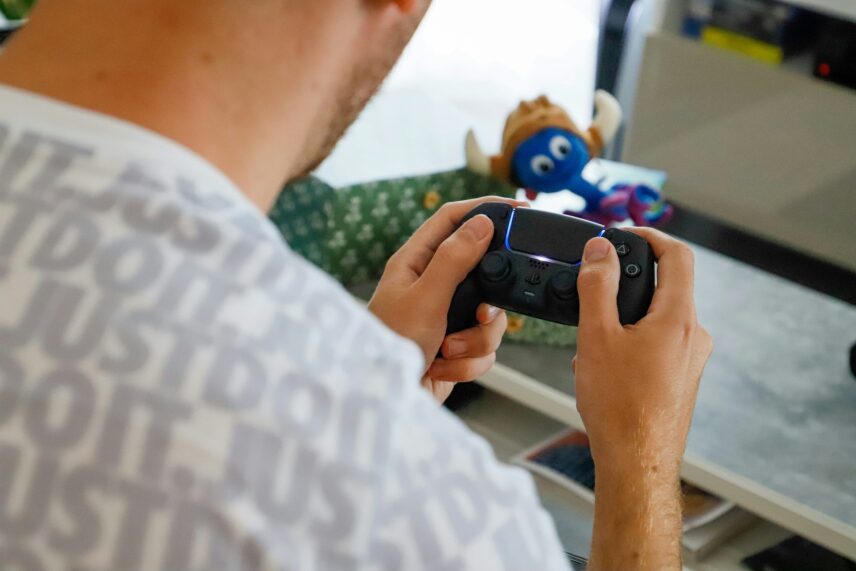
If you want to continue enjoying essential PS5 and PS5 Pro features — like immersive 4K visuals, haptic feedback and adaptive triggers — with your friends, completing the verification process is a must. However, since the update has yet to roll out in America, preparing for the requirement may involve the following:
- Stay informed: Keep an eye on the official PlayStation website and major gaming news outlets for any announcements regarding the U.S. rollout.
- Understand the process: Don’t wait until it’s mandatory before familiarizing yourself with the different verification methods.
- Evaluate your privacy comfort level: Read up on privacy concerns surrounding third-party verification services and decide where your personal line is.
The Path Ahead for Gamers
At the moment, it’s a trade off. Age verification measures help create safer online spaces and protect vulnerable users, but it also requires you to surrender a degree of personal data and privacy. The key to moving forward is informed consent. The era of anonymous gaming may be coming to an end, and based on the recent updates, users may have a say in how they navigate that transition.