As an Amazon Associate, Modded gets commissions for purchases made through links in this post.
Solo living is fun, but spending it with a furry friend makes it more exciting. From calm lap dogs to energetic canines, there’s a breed for every apartment dweller. It pays to do proper research before getting a dog to ensure a harmonious match. Discover nine small apartment dogs, their unique qualities and how to care for them.
1. Maltese
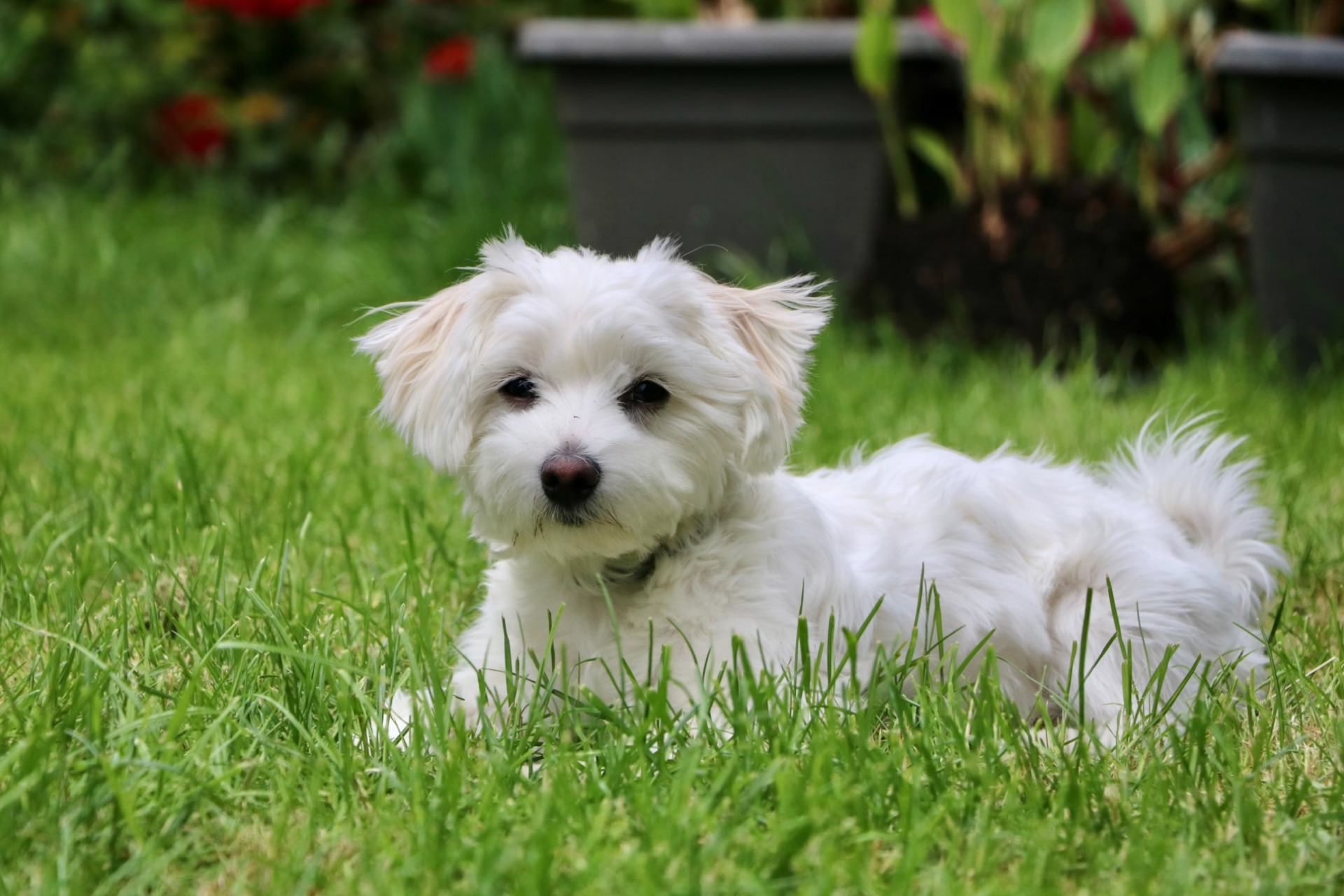
Maltese pups make great small apartment dogs because they are low-maintenance and have relatively low energy than larger breeds. This breed will thrive in a small space as long as it has ample room for roaming around. A Maltese is quiet indoors but will require a daily walk outside.
This dog can get along well with other species, such as ferrets or cats. Due to its toy-like size, kids will surely love cuddling and playing with it.
2. Boston Terrier
If you’re concerned about fur shedding, the Boston terrier might be the perfect breed for you. This breed is nicknamed “the American Gentleman” because it looks like it’s wearing a tuxedo. It’s small, low-maintenance and kid-friendly, making it one of the best low-maintenance dogs for apartments. As long as you take it on regular walks and occasionally play with it, it’s more than willing to chill out on the couch for the whole day.
3. Bichon Frise
Bichon Frise is a friendly and gentle dog breed. It is one of the best apartment dogs because it rarely barks, making it a great companion if you’re living in the city or worried about getting noise complaints from your neighbors. It loves play and attention from its owners and guests. This breed only requires short walks and has moderate energy levels. Make sure you have ample space for playtime and lots of cuddling.
4. Cavalier King Charles Spaniel
Cavalier King Charles Spaniels are loyal, gentle and kind, so they’re popular among apartment dwellers. However, their loyalty comes with a price — they tend to need constant company as they get sad and upset when left alone. Only consider getting this breed if you spend most of your time at home — ideally in a work-from-home setup. Aside from that, it’s quiet and gets along nicely with kids and other dogs. It’s quite playful, so make sure to provide toys and attention.
5. Italian Greyhound
Italian greyhounds are mild-mannered and brilliant canines that can adapt quickly to apartment life. They weigh around eight to 19 pounds and are known for being nurturing, sweet, and loyal to their owners. An Italian greyhound is a highly active pup, making it appealing if you have a family of young kids or live an active lifestyle. This dog also has a short coat and hardly sheds, making it ideal for people with allergies.
6. Shih Tzu

Shih Tzus have bear-like appearances that make them adorable. They were bred to be lap dogs and lived with ancient Chinese royalty for decades. A Shih Tzu is a small, affectionate dog with low energy that doesn’t require significant exercise like some other breeds. However, there’s a chance this dog might develop separation anxiety when left alone for too long.
7. Yorkshire Terrier
Also known as Yorkies, these are popular toy dogs known for their loyalty and silky smooth fur. These pups love lounging on a couch or outdoor adventures. It’s small, hypoallergenic and requires minimal exercise. It also doesn’t require a lot of space but will need regular grooming. Daily brushing is necessary to prevent mats and tangles.
8. Pembroke Welsh Corgi
This long, medium-sized herding breed is popular for its short, stubby legs and cute booty. It will do well in an apartment only if it has plenty of room and opportunity to release energy. You need a regular schedule for playtime and walking outside so they don’t get bored. The Pembroke Welsh Corgi is also known to be vocal, which may require training to prevent disruptions.
9. Dachshund
Dachshunds are long, adorable canines famous for their little legs and long ears. They will make great apartment companions if they get plenty of exercise and aren’t left alone for too long. Taking care of one also requires a small area for eating, playing and sleeping. Despite its adorable appearance, its excessive barking can be a problem. Work with a dog trainer to help control its barking.
10. Lhasa Apso
This ancient breed from Tibet is known for its small stature and long, flowing coat. Lhasa Apsos were once guardians in Tibetan monasteries and are now popular pets among urban dwellers. They are confident, independent and watchful. Taking care of a Lhasa Apso means having a pet who can entertain itself — a beneficial trait if you spend plenty of time outside.
Tips for Taking Care of a Small Apartment Dog
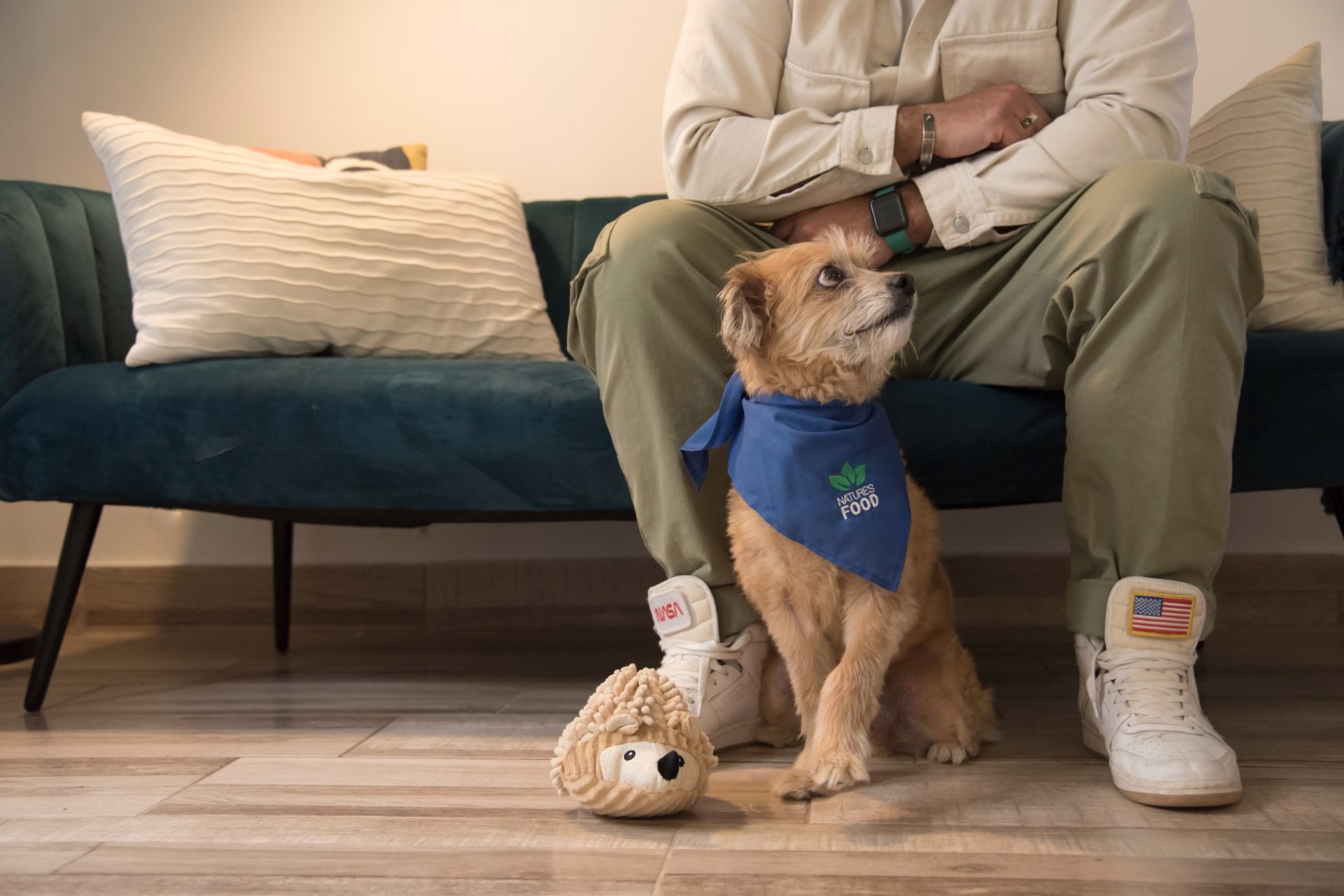
First time taking care of a small apartment dog? Keep these pointers in mind before getting one.
1. Get Vaccinations
Vaccinations are essential for your dog’s health. Make sure to keep up with its vaccination schedule when it moves to your apartment. Many buildings require the pet’s current immunization documents as part of the agreement.
2. Prepare for Training
Aside from being a responsible pet owner, you should also be a good neighbor. Consider taking training classes to help control your dog’s barking tendencies. You must also puppy-proof your space — secure items that could get chewed or destroyed. This includes shoes, cords, work bags, documents and other fragile things.
3. Set a Routine
Small apartment dogs require physical and mental exercise to stay happy and healthy. Repressed energy may lead to destructive behaviors that don’t benefit you and your pup. Make time for walks and playtime to ensure your furry friend is well-behaved.
4. Designate an Area for Your Dog
Your dog shouldn’t head outside unless they’ve completed their vaccinations to avoid getting exposed to diseases. Set up an appropriate potty spot where your pup can relieve itself. It could be in an enclosed patio or a spacious corner of your room. At the same time, your companion also needs a cozy sleep spot.
5. Keep It Entertained
Getting caught up in your personal life and forgetting your dog’s needs is easy. Fortunately, there are now various ways to keep your pup entertained:
- Sign up for daycare services to keep your pet occupied while you’re away.
- Make friends with fellow pet owners in your apartment complex. This is a win-win situation that allows your dog to entertain themselves.
- Provide toys, such as food dispensaries, plushies and bones to keep them mentally stimulated. A dog treat puzzle is also ideal to ward off boredom and keep them preoccupied while you work on something else.
Adopt a Small Apartment Dog Today
Choosing the right furry companion for your apartment lifestyle is key to a happy life. Don’t forget to consider factors like grooming needs, energy level and temperament to find the perfect pup that matches your lifestyle. While this can help you assess which breed best suits you, remember that individual personalities vary. Therefore, work with an adoption center or a professional dog breeder to find your perfect match.