As an Amazon Associate, Modded gets commissions for purchases made through links in this post.
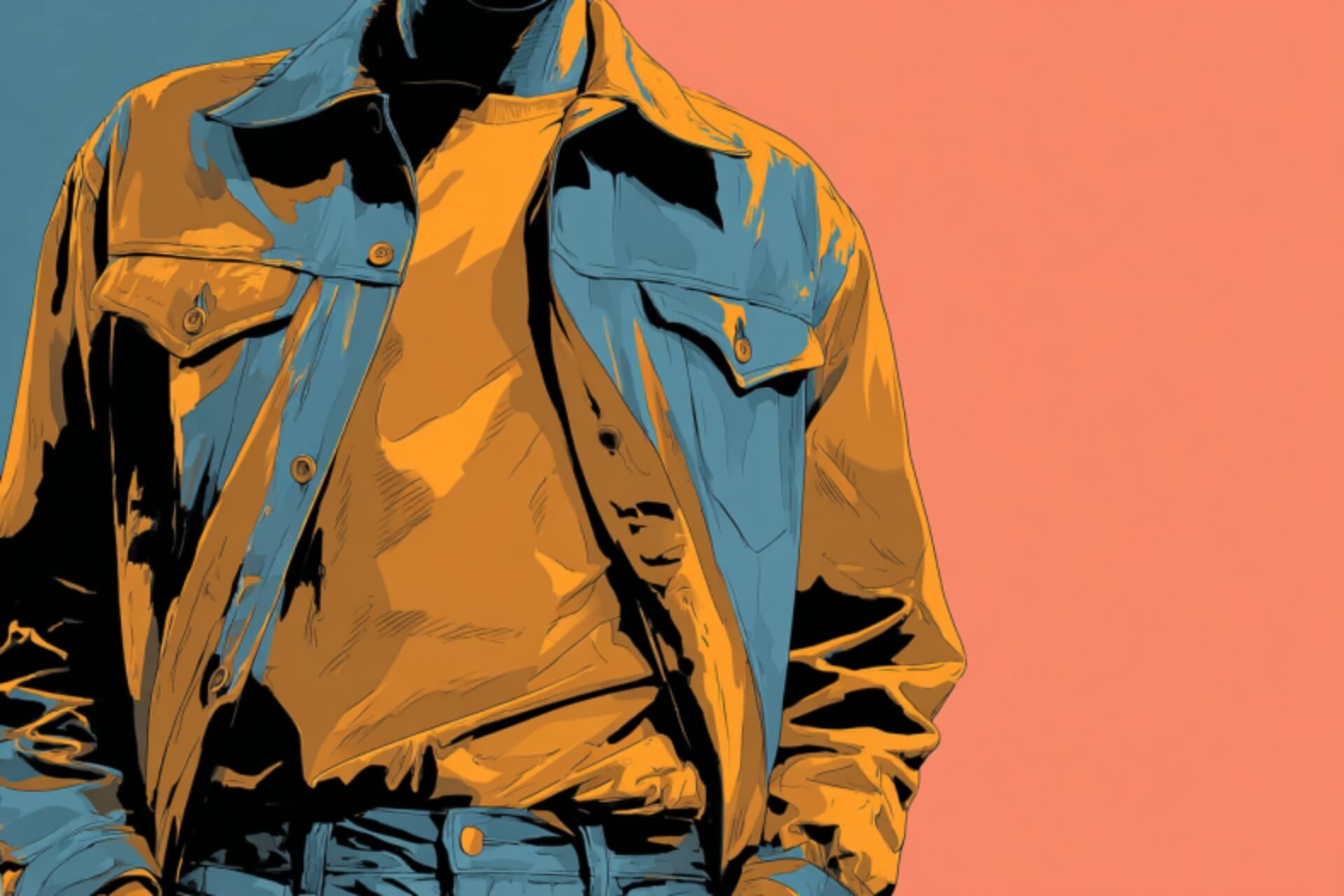
Your winter jacket can feel like armor, but a shacket feels like a cheat code. It looked pulled together like a jacket, but wears easily like a shirt, so you get all the warmth with half the bulk! Discover everything you need to know about the trend.
What Is a Shacket?

A shacket is a shirt that behaves like a jacket. Or, you could think of a shacket as a jacket that refuses to feel heavy. It has the familiar shirt aspects, like a collar and button front, but borrows jacket perks, like thicker fabric and a roomier fit.
Most shackets are heavier than flannel, but lighter than a proper coat and usually unlined. You will also often see shackets with large chest pockets and sometimes hand pockets. They come in different materials, like brushed cotton, wool blends, corduroy, denim and even quilted versions.
Guys love them because they solve the very specific winter problem of wanting to look put-together while staying comfortable. The shacket hits that sweet spot because you can layer or unbutton it and it’s easy to throw on and go. If you already rotate a solid winter jacket, a shacket works like a lighter option for mild days.
Why Shackets Took Over Winter Style
The shacket did not explode because men suddenly got sentimental about buttons. It took over because winters got more complicated. One day you’re freezing on the morning commute and the next you’re sweating in the office. That kind of stop-start lifestyle loves layers. Shackets are basically built for layering.
There’s a bigger style shift, too. Workwear and heritage pieces are still having a moment, partly because so many people are getting outdoors. With 59 million Americans who love hiking, it’s no surprise that functional styles have crossed over into everyday fashion.
Chore coats, rugged overshirts, utility pockets, and textured fabrics have all been popular this winter. Shackets slide right into that lane because they’re designed to look practical, even if you’re just wearing one to the grocery store.
And there’s the retail side, too. Major menswear editors keep featuring shirt jackets and overshirts as top picks for transitional weather. When every brand, regardless of budget, pushes the same shape, people notice. So, it’s a trend and a practical response to the way men actually dress now.
Shacket vs. Overshirt vs. Jacket
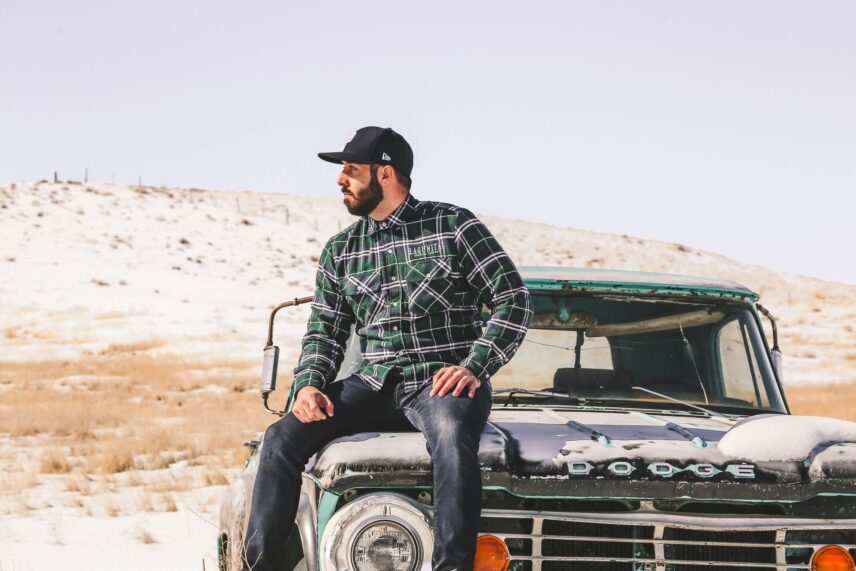
These names get tossed around like they all mean the same thing, which they sort of do, but there are some distinct differences.
Overshirt
Think lighter and more shirt-like. An overshirt is usually meant to be worn on top of another layer. It can be crisp or soft and often sits closer to the body. It’s the choice you make when you want a clean, layered look, but don’t need too much warmth.
Shacket
This is the middle child of the overshirt and jacket family. A shacket is thicker than an overshirt. It feels more substantial and usually has a roomier cut so you can layer under it without looking stuffed. It’s ideal for cool days when a jacket feels like too much.
Jacket
A jacket is built for the weather. It has more insulation, more structure, more wind-resistance and often has lining or technical fabric, like a breathable membrane that wicks away sweat and keeps you dry. It’s the choice you make when you step outside and immediately regret doing so.
If you want something that lives in your front hall and gets thrown on 10 times a week, a shacket. If you want a tidy top layer that plays nicely indoors, an overshirt is a good choice. If you need actual protection from winter, a jacket.
How to Choose the Right Shacket for You
Buying a shacket can feel complicated because one feels think like a shirt and another might feel stiff like cardboard. Another looks cool online and then swallows your whole torso in real life. So, here’s how to make it simple.
Start with when you will wear it. Just as you wouldn’t take a casual bike on a mountain trail, you need to match your shacket to the occasion. While technical outdoor clothing is designed to protect you from the elements, a shacket is built for lifestyle versatility.
Will you use it for daily errands and casual hangs? Then it’s better to go for something softer and easier. Office days and dinners may require you to go cleaner and more structured. If you’re going to be outdoors or go on a drive, you can opt for something more rugged and warm.
Fabric and Weight

Brushed cotton and flannel feel relaxed and cozy. They feel right with denim and boots. Wool blends feel sharper and hold their shape better. They’re great for smart casual. Corduroy adds texture without trying too hard. Denim leans more toward workwear and can take a beating.
If you can see light through it, it’s an overshirt. If it feels like a blanket but still moves easily, you’re in shacket territory. If it’s padded or heavily lined, you’re drifting toward a jacket.
Fit Rules to Keep You From Looking Boxy
Fit is where most shackets win or lose. You want room to move around, but you definitely don’t want a tent.
Check the shoulder length first. The seam should sit close to your natural shoulder edge. A little drop is fine, but a big drop can make you look smaller and slouchier.
Most shackets look best when the length hits around mid-hip. Too short can feel like a cropped shirt, but too long can feel like a coat pretending to be casual.
Do a quick layering test, too. Put it over a hoodie, zip the hoodie, button the shacket and see how it feels. If your arms feel trapped, size up or pick a different cut. If you look like a kid in dad’s clothes, size down.
Common Shacket Mistakes and Easy Fixes
You can pull of a shacket easily, but you can also accidentally make it look like a random shirt you grabbed at a gas station. Tiny tweaks make all the difference.
If the shacket is too thin, it might feel and look like a regular button-up. Fix it by layering it under a coat or swapping to a thicker fabric next time.
If the shacket is too big, it can create an unflattering silhouette. Just as jeans that are too long can bunch up and make you look smaller, an oversized shacket can drown your frame. Fix this by pairing it with slimmer pants and cleaner shoes to create balance. You can also size down next time and keep the shoulders close to your frame. Oversized is great, swallowed is not.
If you stack bulky layers awkwardly, you’ll start looking puffy. Keep one layer slim like a t-shirt or thermal, then add a hoodie and then the shacket. Stop there before you turn into an abominable snowman.
Button Up, Buttercup
A shacket is the winter layer you grab when a coat feels like overkill. Choose the right weight, nail the fit and layer it with one warm piece underneath. Then, wear it on repeat to make it simple and reliable.