As an Amazon Associate, Modded gets commissions for purchases made through links in this post.
The recent years have shown record-breaking temperatures, wildfires and destructive storms dominating the news cycle. The good news is that scientists have a clearer understanding of the future of climate change. That information can help you prepare rather than spend time worrying about worst-case scenarios. Here is how you can make practical decisions to protect your health, your home and your family with these climate change predictions.
The Five-Year Forecast You Need To Know
The future of climate change is expected to continue, with the warming trend already affecting communities worldwide. According to a recent report from the World Meteorological Organization, there is a 91% likelihood that temperatures worldwide will temporarily rise 1.5°C above the 1850-1900 average for a year between 2026 and 2030. They’re a reminder that weather patterns are becoming more extreme and less predictable. There might be more heat waves, intense rainfall and wildfire seasons.
Understanding the implications of these climate change predictions helps you better prepare for extreme weather events. You can upgrade your home, adjust your routines and reduce unnecessary expenses.
Prepping for Extreme Heat and Drought
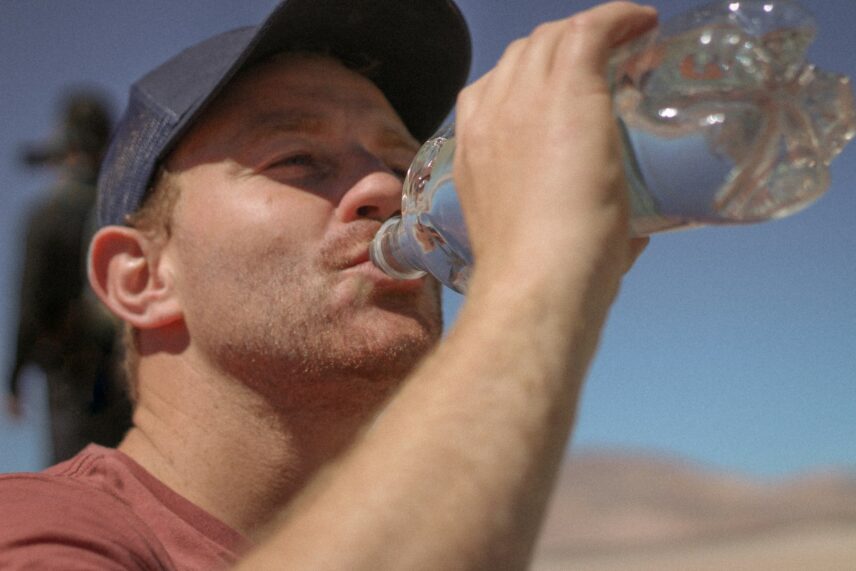
Extreme heat is one of the deadliest weather hazards as it develops gradually. High heat can significantly affect the body, including heat exhaustion, heat stroke, and worsening heart conditions. In fact, heat-related deaths among older adults over 65 years old have risen by 70% in just 20 years.
Avoid the adverse effects of heat by drinking water throughout the day instead of waiting until you are thirsty. Wear lightweight and breathable clothing and take frequent breaks when you’re outdoors. Time certain activities, such as exercising and walking outdoors, to early mornings or evenings when temperatures are lower. Signs of heat stress include dizziness, confusion, nausea and excessive fatigue.
Longer hot and dry periods put pressure on local water supplies. As such, it’s important to improve water efficiency by fixing leaky pipes, using rain barrels and installing low-flow showerheads and taps. You can also replace high-water-consuming lawns with drought-resistant native plants. These small efforts can lower water bills, help your community and make your property more resilient during drought conditions.
Facing Increased Wildfires and Poor Air Quality
Wildfires are affecting more areas and are lasting longer in many regions. Even if these flames are a hundred miles away, smoke can travel long distances and degrade air quality in the surrounding area. Make sure to check your local Air Quality Index before spending extended time outdoors. When encountering low air quality days, you should delay hiking trips, reduce strenuous outdoor labor and move runs and bike rides indoors.
A smoke-ready home helps protect your indoor air quality when outdoor conditions are unfavorable. Search for high-quality HEPA air purifiers and MERV-13 furnace filters for your living space. You can also weatherstrip your windows and doors to reduce smoke from entering your house. Have spare filters so you can replace the ones you’re currently using at any moment. Adopting more sustainable lifestyle practices can improve your home’s energy efficiency and enhance indoor air quality.
Strengthening Your Defenses Against Floods and Superstorms

Heavy rainfalls are becoming more common in many regions. This increases the likelihood of flash floods and property damage. You can reduce your risk by cleaning your gutters and downspouts before the storm season. Downspouts should be directed away from your home’s foundation. Other things you can do include testing sump pumps regularly and inspecting roof flashing and seals.
These small maintenance jobs can prevent costly repairs later on. You can also check whether your property lies in a flood-prone area so you can adequately protect it. An emergency storm kit should include:
- Emergency food and water
- Rechargeable lanterns and head lamps
- Portable power banks for phones
- Battery-powered weather radio
- Waterproof document storage
- Extra prescription medications
- Cash in small denominations
- Waterproof clothing and sturdy rain boots
- Emergency blankets
- Vehicle evacuation supplies
Additionally, every member of the household should understand evacuation routes, emergency alerts and communication plans before severe storm weather arrives.
Getting Ready for Unpredictable Winter Weather
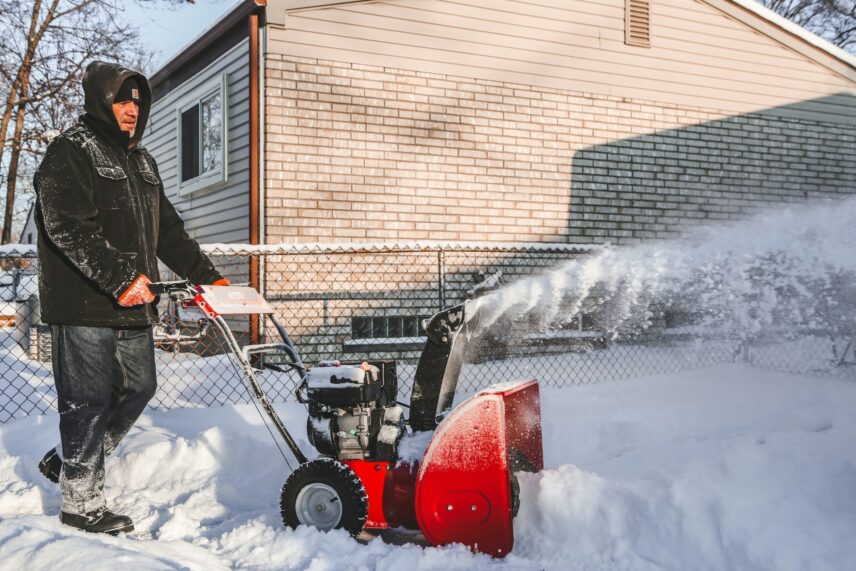
Warmer global temperatures don’t eliminate winter storms. Instead, changing weather patterns can produce severe snow and dangerous cold outbreaks. As such, households should prepare several days’ worth of non-perishable food, drinking water, flashlights with spare batteries and portable chargers. Other essentials for winter storms include blankets, sleeping bags, safe backup heating options, first-aid supplies, snow removal equipment and ice melt and sand for walkways.
You should also have your furnace professionally inspected and ensure your exterior pipes are well insulated. Have a plan for removing snow by first checking weather channels to see the expected snowfall. Some areas will only require a shovel and salt. Regions that experience more snow might require a snow blower and other specialized equipment. Having these tools on hand can help you be prepared for heavy snowstorms.
Choosing a More Sustainable Ride
Your vehicle should be ready before storms and the heavy snow season are forecast. Check its tire tread depth and pressure, battery, windshield wipers, antifreeze and washer fluid, and fuel tank levels. Make sure to carry jumper cables, blankets, gloves, extra clothing, flashlight, a shovel, and ice scraper in your car.
If you’re planning to replace your vehicle, electric vehicles might be worth considering. Consider factors such as your daily driving range, public charging availability, home charging options, cold weather performance, long-term maintenance costs and purchase incentives in your region. Many of these electric vehicle manufacturers are invested in cleaner factories, recycled materials, renewable energy and lower-emission supply chains.
Staying Ahead of What’s Next
The future of climate change is likely to bring more record-breaking heat, stronger storms, wildfire seasons and unpredictable weather among different regions. Being prepared for these climate change predictions is one of the best ways to protect yourself and your loved ones.
Make sure to maintain your home, upgrade emergency supplies and understand your area’s risks when making long-term decisions. You don’t have to predict the weather or stay worried all the time. Simply staying informed of current events and planning ahead helps significantly more than only reacting after these extreme weather events pass.