As an Amazon Associate, Modded gets commissions for purchases made through links in this post.
Geocaching is a treasure-hunting adventure that has taken the world by storm. It combines outdoor exploration, technology and a sense of mystery to create a unique and exciting hobby millions worldwide enjoy. However, like any game, geocaching has rules and guidelines that participants must follow to ensure a safe and enjoyable experience for all. Here are some important rules of geocaching so you can be a responsible geocacher.
What Is Geocaching?
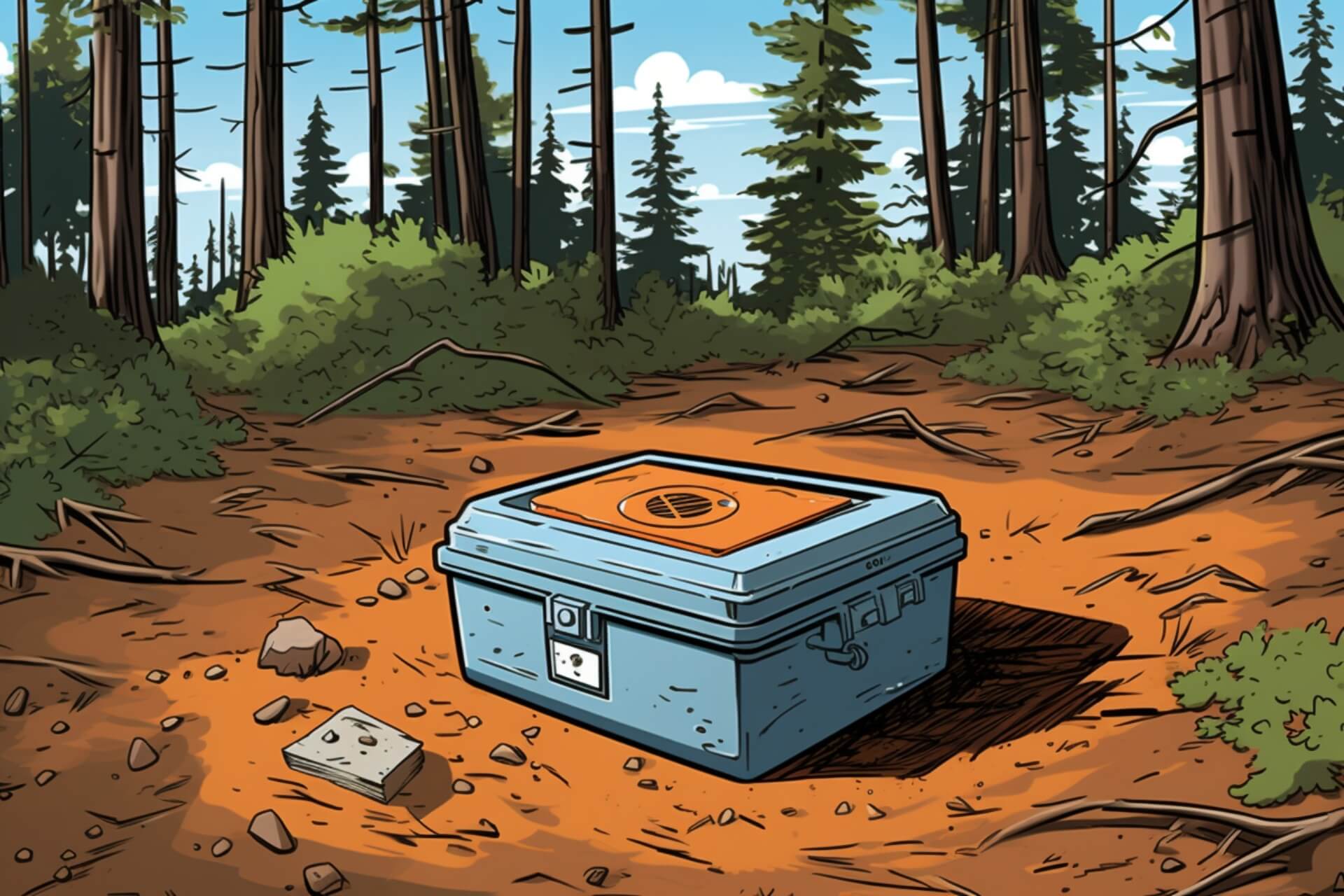
Geocaching is a modern outdoor hide-and-seek adventure that combines technology, experience and exploration. Participants, known as geocachers, use GPS devices or smartphone apps to search for hidden containers, called geocaches, which other members of the geocaching community place in different areas. You can find these caches in various locations, from urban settings to remote wilderness areas.
Geocaching often involves solving puzzles or following clues to pinpoint the cache’s coordinates and signing a logbook to record the find. It’s a global hobby that encourages outdoor fun and a sense of community among enthusiasts who share a passion for discovery and adventure. As a result, the hobby grows in popularity each year, and in 2022, players found 83,720,498 caches, a 16.26% increase from 2021.
11 Important Rules of Geocaching
1. Register and Use a GPS Device or Smartphone App
The first rule of geocaching is to register as a geocacher on a platform like Geocaching.com. Doing this provides access to a vast database of geocache locations and allows you to log your finds and post your own geocaches. To play the game effectively, you’ll need a GPS device or a smartphone with a GPS app, like the official Geocaching app. These tools will help you locate geocaches accurately.
2. Respect the Environment and Leave No Trace
This game takes place outdoors, usually in natural settings. Respecting the environment and practicing the Leave No Trace principles is crucial. This means you should avoid damaging plants, disturbing wildlife or leaving any litter behind. Stick to marked trails and follow local regulations regarding access and land use.
3. Follow Local Laws and Permissions
Always adhere to local laws and regulations when geocaching. Seek necessary permissions if placing a geocache on private property or protected areas. It’s essential to be aware of any restrictions related to access, especially in sensitive ecological regions or during hunting seasons.
4. Be Stealthy and Discreet
Geocaching often involves searching for hidden containers in public places. It’s important to be discreet and avoid drawing unnecessary attention to yourself or the cache. Muggles (non-geocachers) may not understand the game, and revealing the location of a cache can ruin the fun for others.
5. Respect Property and Privacy
Respect private property boundaries and the privacy of homeowners. If a cache is on private property, seek permission from the landowner or place it where someone can safely access it from public land. Avoid trespassing, and always respect the rights of property owners.
6. Trade Fairly and Log Your Finds
When you find a geocache, it’s customary to sign the logbook and log your find online. Geocaches often contain trinkets or “swag” for trading. If you take an item from the cache, replace it with something of equal or greater value. The rule of thumb is to trade fairly and follow the cache’s instructions regarding trading etiquette.
7. Maintain and Care For Your Caches
If you decide to hide your own geocache, it’s essential to maintain it regularly. Check for damage, ensure the logbook is dry and legible and replace any missing or damaged items in the container. The geocaching community values well-maintained caches.
8. Use Respectful and Appropriate Cache Names and Descriptions
When naming and describing your geocache, be respectful and avoid offensive or inappropriate content. Keep the cache’s description accurate and informative so others can enjoy the hunt.
9. Be Careful What You Put in Your Geocache
Being careful about what you put in geocaches is fundamental to geocaching etiquette. Geocaches often contain trinkets, toys or small items for trading, and it’s essential to consider the experience of the next geocacher who finds it. When placing items in a cache, consider whether they’re safe and appropriate for all ages. Avoid placing perishable food items, hazardous materials, sharp objects or anything that could potentially harm the environment or wildlife. Additionally, avoid putting money in a geocache as it could attract thieves.
10. Avoid Burying the Geocache
You’re meant to hide geocaches and not bury them underground. This rule is grounded in environmental responsibility and safety considerations. Burying a cache can harm the ecosystem, disrupt plant and animal life and damage the soil structure. It’s important to remember that geocaching is a game of discovery and adventure and burying a cache makes it inaccessible and unenjoyable for others. Instead, you should cleverly conceal them at or near the ground’s surface, ensuring they remain accessible and respectful of the environment while preserving the thrill of the hunt.
11. Stay Safe
Safety should always be a top priority when geocaching. Inform someone of your plans, especially when venturing into remote or unfamiliar areas. Dress appropriately for the weather, bring enough water and supplies and carry a first-aid kit. Avoid risky situations and use common sense.
Where to Find Geocaches
The two most popular geocaches are at Charles Bridge in Prague, Czechia. Each of these is found at least five times during the working week and at least 15 times on the weekend.
The best places to look for popular geocaches include:
- Urban areas: Geocaches located in cities and urban environments tend to be highly visited because they’re easily accessible to a large group of people. Some of the most found geocaches in cities include Alexanderplatz in Germany and Original Stash Tribute Plaque in the U.S.
- Tourist attractions: You can often find geocaches near popular tourist destinations and historical sites.
- Natural wonders: You can find geocaches in natural areas like national parks, hiking trails or scenic viewpoints.
- Event caches: Geocaching events, like Mega-Events or Cache-In, Trash Out (CITO) events, often attract a significant number of participants, making event caches popular during these gatherings.
- Challenge caches: Challenge caches with unique and challenging requirements can be particularly popular for geocachers looking to push their limits.
- Hidden gems: Some geocachers take pride in finding lesser-known or hidden gems, such as unique and unusual locations that aren’t widely visited. This is typically a more exciting experience, as finding a rare geocache is rewarding.
Happy Hunting
Geocaching is an exciting and rewarding activity that allows people to explore the outdoors, solve puzzles and experience the thrill of discovery. By following the rules of geocaching and being a responsible participant, you can contribute to a positive and enjoyable experience for yourself and fellow geocachers.