

As an Amazon Associate, Modded gets commissions for purchases made through links in this post.
What if one player could reshape an entire lineup overnight? Munetaka Murakami is the kind of power hitter who may do exactly that. Known for his dominance in Nippon Professional Baseball, he has already built a reputation as one of the game’s most dangerous bats. Now, his transition to MLB puts him in the spotlight with the Chicago White Sox. Here’s what you need to know about his rise, his skills and what he could mean for the team.
A Legend in Japan: The Making of a Superstar
Three years ago, at just 22, Munetaka Murakami delivered one of the most dominant seasons in Nippon Professional Baseball (NPB) history. Playing third base for the Tokyo Yakult Swallows, he blasted 56 home runs in 141 games, breaking Sadaharu Oh’s 58-year-old record for a Japanese-born player. He finished with a stellar .318/.458/.710 slash line, 134 RBIs and 10.5 Wins Above Replacement.
This led him to earn his second consecutive Central League MVP, leading Yakult to another pennant and securing the Triple Crown. This is an achievement that only one other NPB player has reached this century. Murakami’s historic season set high expectations, with fans anticipating whether he could achieve back-to-back Triple Crowns or surpass Balentien’s home run record before moving to Major League Baseball (MLB). The focus was on how much further he could push his power and overall game.
In the years that followed, Murakami remained an elite hitter, though his numbers normalized. He hit 31 home runs in 2023 and 33 in 2024, with strong On-base Plus Slugging Plus (OPS) marks of 152 and 149. His batting average fell from .318 in 2022 to .256 and .244, as his strikeout rate rose from 21% to 30%. Despite this, he maintained his status as one of Japan’s most dangerous power hitters.
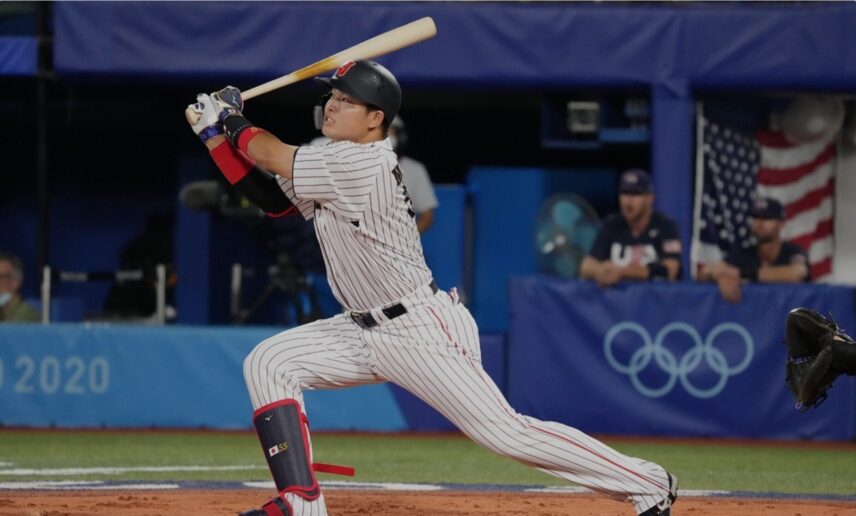
A Legend in Japan: The Making of a Superstar
It’s first demonstrated his power with 52 home runs in high school and earned a first-round selection by the Tokyo Yakult Swallows in the 2017 NPB Draft. Off the field, he has supported Chicago families with grocery donations and contributed $10,000 to a local food pantry.
Despite a right oblique injury that limited him to 56 games in 2025, Murakami hit .273/.379/.663 with 22 home runs and 47 RBI, ranking fifth in NPB homers. After returning midseason, he set a franchise record for a left-handed hitter (225 career home runs). In August, he batted .291 with 12 home runs in 27 games, delivering multiple multi-homer performances and clutch hits.
Demonstrating his remarkable consistency, Murakami led the Central League in home runs, RBIs, and walks in 2024, earning another Best Nine honor. That same year, he also became the youngest player in NPB history to hit 200 career home runs. In 2023, he was among league leaders and helped Japan win the World Baseball Classic with clutch hits, including a game-tying home run in the final.
His legendary 2022 season saw him win the Triple Crown, hit 56 home runs and receive unanimous MVP honors — the youngest ever to do so. From Rookie of the Year in 2019 to Olympic gold and MVP in 2021, Murakami has consistently ranked among baseball’s top power hitters. This firmly establishes his place among the game’s elite.
More Than a Slugger: A High-Performance Hitting Machine
Munetaka Murakami brings far more to the plate than raw power. While his home runs grab headlines, his true value lies in a rare combination of patience and power that makes him a complete offensive engine. He consistently controls at-bats by understanding the strike zone, a disciplined approach that led him to rank among the league leaders in walks, on-base percentage, and OPS.
This disciplined approach consistently forces pitchers into tough situations. When they finally make a mistake, he has the power to punish it against any type of pitching. This balance allows him to create scoring opportunities even when he isn’t hitting for power.
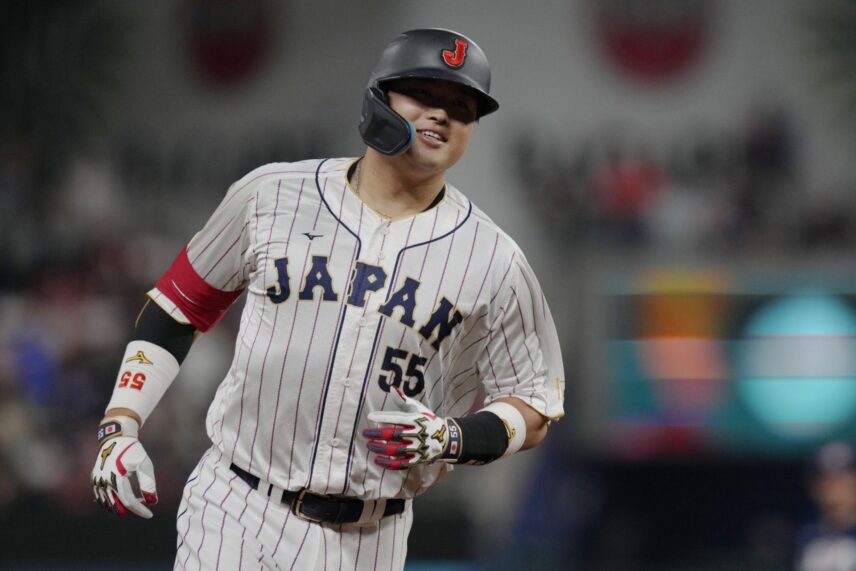
The Chicago White Sox endured a three-hour rain delay and trailed the Angels late into the game at Rate Field. In the seventh inning, Murakami changed the momentum with a go-ahead three-run homer, turning a 5–4 deficit into a 7–5 lead and helping secure an 8–7 win. The swing drew national attention.
The home run carried extra weight as Murakami had been in a slump, hitless in his previous nine at-bats with five strikeouts. Despite this, he delivered in a key moment, energizing the crowd and strengthening his reputation as a clutch hitter.
The performance was historic: his 12th home run of the season put him atop MLB’s leaderboard and set a record for most home runs—all extra-base hits—through a player’s first 29 games, surpassing Dae-ho Lee’s mark. Murakami isn’t just producing — he’s making game-changing impacts and raising expectations for the White Sox lineup.
The Chicago White Sox featured stars like Bo Jackson and figures like Scott Podsednik, who recorded the most stolen bases in the NL. Ken Griffey Jr. is also considered one of MLB’s greatest modern players. Now, Munetaka Murakami is becoming a superstar under manager Shingo Takatsu.
Making an Entrance: A Game-Changing Moment in Chicago
Murakami could slot naturally into the middle of the lineup, likely batting third or fourth, where his left-handed power would help balance the offense and drive in runs. His disciplined approach may give the lineup greater patience over time and force pitchers to adjust, creating more opportunities for teammates.
Defensively, he could play third base or rotate through designated hitter to keep his bat in the lineup. This flexibility may allow the White Sox to experiment with different infield combinations and boost run production in key situations, helping the team stay competitive throughout the season.
In the AL Central, Murakami’s addition could gradually strengthen the White Sox against division rivals. His impact may build over time, showing up in longer at-bats, more walks and improved pitch selection throughout the lineup.

The Road to Chicago: How an NPB Star Gets to the MLB
Munetaka Murakami’s path to MLB hinges on the posting system, which gives MLB teams a limited window to negotiate once his NPB club makes him available. Teams must weigh scouting reports and financial commitments, including a posting fee. Given his talent, Murakami will command a major contract in both years and value — on par with other top Japanese stars. His power and age increase his appeal, making him a true franchise investment.


