As an Amazon Associate, Modded gets commissions for purchases made through links in this post.
Over the past decade, the DC Universe has seen many interesting developments. What should be a collection of exciting, high-budget action movies based on the classic comic book characters we all know and love has become a battleground among directors.
For many years, Zach Snyder’s DCEU unveiled a gritty, heavy take on gods walking among men. But now? James Gunn has brought a new, refreshing and more hopeful tone with his 2025-released Superman. The two widely differing approaches to bringing the franchise’s iconic stories to the big screen have sparked debate amongst fans about which is better.
This article isn’t so much about picking a winner as about looking at how two drastically different directors approached the same icons and what those choices mean for the future of the characters we love.
Setting the Stage with The Snyderverse

When Zach Snyder released Man of Steel in 2013, it was pretty clear that this wasn’t your dad’s Superman. Snyder had a unique goal in grounding these characters in a cold and dark reality. He wanted to deconstruct icons like Batman and Wonder Woman, stripping away the camp to unveil the trauma. The Snyderverse often felt more like an opera than a colorful comic book.
We saw this peak in Batman v Superman and the legendary Snyder Cut of Justice League, which brought fans together and sparked many conversations in the community. The action was massive, filled to the brim with slow-motion and world-ending stakes.
Yet while many fans enjoyed how tangible the “god among us” approach felt, others felt Snyder’s creative choices strayed too far from form and removed characters too far from their heroic roots.
What absolutely cannot be denied about The Snyderverse, however, is the sheer boldness of it all. While Zach Snyder’s statement became a lightning rod for controversy, it was a statement nonetheless.
A New Hope: The Gunn-Verse

In just a few years, James Gunn has somehow managed to wipe the entire slate clean. After the success of his Suicide Squad and Superman, which amassed an impressive $122 million domestically in its opening weekend, Gunn has been handed the keys to the entire kingdom. His approach to the franchise has been marked by heart, humour and loyal to the vibe of the comics many of us grew up reading. It is somehow both a return to form and a breath of fresh air.
Ultimately, Gunn is aiming for a cohesive and interconnected world where movies, TV shows and even games tell one big story. Fans can soon expect some fresh projects, including Clayface, set for release in September 2026. Gunn’s approach seems to be less about making these characters feel like gods but more about just making them feel like people you would actually want to hang out with.
Differences in Character Interpretations
Let’s take a look at where the differences are most prominent, which is with the Big Three.
Superman
Snyder’s Clark Kent, in essence, was a guy grappling with whether or not the world deserved him. Fans often viewed him as the reluctant god who had to come to grips with serving people who largely lamented him.
Gunn’s Superman, on the other hand, is more reminiscent of a Boy Scout. He is a hopeful, inspiring and surprisingly relatable figure. This iteration differs from Snyder’s version in that Superman actually doubts whether or not he deserves to be humanity’s main soldier. His insecurity makes him a more down-to-earth character. To many, this was one of the best movies of 2025.
Batman
Snyder gave us a brutal, world-weary Bruce Wayne who had lost his way and started branding criminals. He was driven by rage. We don’t know precisely what Gunn’s Batman will look like yet, but the title The Brave and the Bold suggests a focus on the “Bat-family” and perhaps a slightly more adventurous, less nihilistic Caped Crusader.
Wonder Woman
In the Snyderverse, Diana was a fierce warrior, though she often felt like a secondary player in the larger Man of Steel/Batman drama. Gunn’s plans for the Amazonians are still a bit of a mystery, but expect a version that leans heavily into the mythological world-building he’s so good at.
Key Differences in Tone and Style
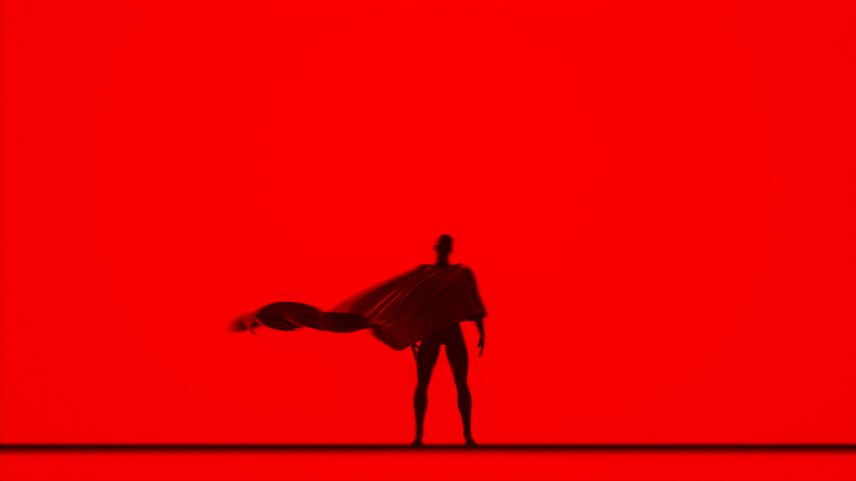
One of the most distinct differences between the two cinematic universes is their color palettes. Zach Snyder is drawn to muted tones and heavy grain, embracing, quite literally, a darker environment. This brings a sense of grit and hardiness, depicting a grim world that requires more than a superhero to save. The Snyderverse felt “adult”.
Gunn, on the other hand, loves utilizing vibrant colors and employing a more hopeful tone. He also loves a great needle drop, evident in his entire body of work. Pairing these vibes with slapstick humor and genuine emotional stakes, Gunn’s DCU brings an optimistic dimension that you rarely find in superhero movies today. Zach Snyder’s DC movies feel like a heavy metal concert, and Gunn’s feel like a pop-rock concert. Neither is inherently better than the other— it really just boils down to a matter of taste.
Narrative Coherence and World-Building
One of the biggest critiques of the Snyderverse was that everything lacked cohesion. Some individual pieces had great potential, but putting the whole piece together while battling constant studio interference and shifting directors led to a messy timeline, making Justice League feel a little too rushed.
Gunn is comparing this by laying out a Chapter 1 plan from day one. He’s making sure there is a strong foundation on which this franchise can be sensibly built, emphasizing a united vision where everything matters. So far, everything has been exciting for fans worldwide. With their main competitor, Marvel, getting started with phase 6 soon, the world of superhero content is about to get very exciting.
The Moral? The Fans Always Win
Whether you prefer Zach Snyder’s darker approach or James Gunn’s hopeful and vibrant iteration, one thing you cannot deny is the amount of time and effort poured into finding a solution that fans can get behind.
Regardless of which you prefer, putting them side by side can help reveal the beauty and areas for improvement of each. In the world of film critique, comparing is always necessary, but so is appreciation.