As an Amazon Associate, Modded gets commissions for purchases made through links in this post.
You’ve torn open a protein bar wrapper between meetings more times than you can count, banking on it to hold you over until dinner. But are protein bars good for you or just a candy bar with a gym membership? The truth sits somewhere between the marketing and the ingredient label and it depends heavily on which bar you grab.
What’s Inside a Protein Bar?

Crack open the label on a typical protein bar and you’ll find three ingredient categories doing most of the work. Protein sources like whey isolate, pea protein or milk protein isolate build the base, usually delivering 15 to 25 grams per bar. Binders come next, things like glycerin, sugar alcohols or brown rice syrup, which hold the bar together and give it that chewy texture. Then there’s the flavor system, often a mix of cocoa, natural flavors and a sugar or sugar substitute blend to make the whole thing taste like dessert instead of chalk.
Take a standard chocolate peanut butter bar as an example. You might see whey protein isolate first, followed by a sugar alcohol like erythritol, then almonds, cocoa and a stabilizer like sunflower lecithin. Nothing on that list is dangerous on its own. But stack up the sugar alcohols across two or three bars in a day, and your stomach might disagree, especially before a workout.
Reading past the marketing on the front of the wrapper and into the panel on the back tells you more about a bar in ten seconds than any tagline could.
Are Protein Bars Good For You? Weighing the Evidence
So, are protein bars h althy or just good marketing? For the right person at the right moment, they earn their spot in your bag. Men who train regularly need more protein than sedentary guys realize and hitting that number through whole food alone gets tough on a packed schedule. A 2023 study found that current protein guidelines may fall short of what active men actually need to support muscle recovery. A bar that delivers 20 grams of protein in under 300 calories can close that gap fast, without a cooler bag or a fork.
Protein bars also help you juggle daily macros, not just protein totals. If you’re tracking the way a hybrid athlete trains, a bar gives you a known, consistent number every time instead of guessing at a portion size. That predictability matters more than people give it credit for. Fiber counts in a lot of bars, too, often eight to 12 grams, which most men fall short on, regardless of how they eat.
The catch is that not every bar on the shelf is built the same way, and the differences show up fast once you compare labels side by side.
Where Protein Bars Fall Short
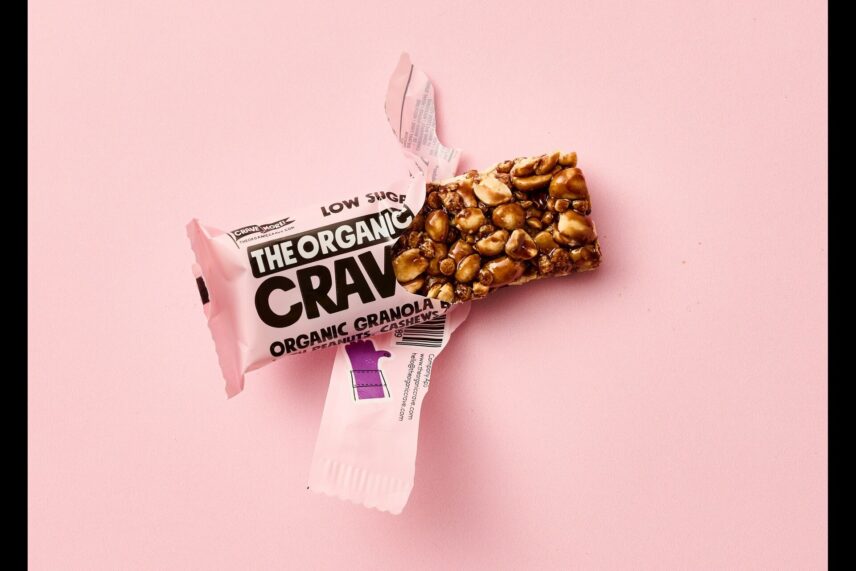
Protein bars fall apart, so to speak, when sugar and processing take over. Plenty of bars marketed as healthy pack in 15 or more grams of added sugar per serving. The CDC recommends capping added sugars under 10% of daily calories and a single dessert-style bar can burn through a third of that allowance before lunch. Sugar alcohols show up often, too, and while they don’t spike blood sugar the same way, eating several servings in a day can cause bloating or digestive discomfort for a lot of guys.
There’s also the ultra-processed question, which factors into how healthy a given protein bar actually is. Many bars fit the definition of ultra-processed food, built from isolated protein powders, gums, emulsifiers and artificial sweeteners rather than whole ingredients. One study has linked ultra-processed food intake to a higher risk of metabolic disease, including elevated blood pressure and blood sugar problems over time.
That doesn’t mean one bar a day derails your health. It means treating a protein bar as a replacement for actual meals, rather than as a quick supplement, which is where guys tend to run into trouble. Read the label the same way you’d check a used car before buying it. Take your time, and don’t commit until you know what’s inside.
The Four Protein Bars Have the Best Macros
Four bars consistently rise to the top when protein-to-calorie ratio and sugar content actually matter, and each takes a different approach to getting there.
Quest bar delivers 21 grams of protein for 190 calories, with roughly 14 grams of fiber and just one gram of sugar per bar, mostly thanks to erythritol and sucralose replacing traditional sweeteners. It’s the bar most guys reach for when hitting a protein number matters more than anything else.
Find them on Amazon for $26.49
RXBAR takes the opposite approach. It carries 12 grams of protein, but every ingredient is something you’d recognize on sight — egg whites, almonds, cashews and dates. The sugar count runs higher, 13 to 16 grams depending on flavor, but it comes entirely from whole dates rather than added sweeteners.
Find it on Amazon for $55.99
ONE Bar splits the difference. You get 20 grams of protein, 12 grams of fiber and only three grams of sugar in 220 calories, with a texture closer to a candy bar than a supplement.
Find it on Amazon for $33.93
Barebells round out the list at 20 grams of protein and 200 calories, with just one gram of sugar. The tradeoff is a protein blend that includes collagen, which isn’t a complete protein on its own, so the effective protein quality runs slightly lower than the label number suggests.
Find it on Amazon for $32.49
None of these four bars is objectively the best. The right pick depends on whether you’re chasing raw protein numbers, ingredient simplicity or the lowest possible sugar.
How to Choose the Right Bar for Your Goals
Whether a protein bar is actually good for you often comes down to matching the label to your goal, not the flashiest claim on the wrapper. If muscle building tops your list, look for 20 grams of protein or more per bar and check what whey, casein or egg white sits near the top of the ingredient list. Plant-based guys should look for pea or soy protein blends specifically, since a single plant source rarely delivers a complete amino acid profile on its own.
If you’re managing blood sugar or just trying to cut back on sweeteners, net carbs matter more than the sugar line on the label. Subtract fiber from total carbs, then check whether the sweetness comes from sugar alcohols, dates or straight sugar, since your body processes each one differently. A glass of chocolate milk after a lifting session covers similar protein and carb ground without the wrapper, and it’s worth comparing side by side before you stock up on bars.
Bars work best as a bridge, not a foundation. If you’re eating two or three a day as meal replacements, try swapping one for smarter whole-food breakfast ideas instead, then save the bar for the gap between meetings or the drive home from the gym.
Raising the Bar

Protein bars aren’t a health food or a junk food. Instead, they’re a tool. Used well, one covers a protein gap between meetings or after a workout, without derailing your day. Used poorly, three bars stacked on fast food and coffee turn into a sugar and additive problem you didn’t sign up for. Read the label, match the bar to your actual goal and treat it as a stand-in for a meal, not a replacement for real food.