As an Amazon Associate, Modded gets commissions for purchases made through links in this post.
You’ve probably spotted it before, rubber ducks lined up on a Wrangler’s dashboard, each one a tiny trophy from a stranger’s kindness. It’s Jeep ducking, a global phenomenon wherein you place a rubber duck on a Jeep vehicle. Here’s how a simple gesture in Ontario spread to over 80 countries and how you can get in on this Jeep ducking tradition.
The Origin Story Behind the First Jeep Duck
The Jeep duck origin traces back to 2020 in Bancroft, Ontario, where Allison Parliament bought a bag of rubber ducks for the most relatable reason possible — to playfully mess with her partner. She had no idea those dollar-store toys would spark a movement that would eventually connect Jeep owners across the globe.
The catalyst came during a frightening encounter at a gas station. Parliament experienced a verbal assault from a stranger in the parking lot, an interaction that shakes you. Instead of letting the negativity fester, she decided to counter it with kindness. When she spotted a heavily modified Jeep nearby, she grabbed one of her rubber ducks, scribbled “Nice Jeep” on it with a Sharpie and left it on the vehicle.
What happened next changed everything. The Jeep owner caught her in the act. He laughed and suggested she share the gesture online. That simple encouragement led Parliament to post about her random act of kindness, and the Jeep community responded immediately.
From 2,000 Followers to a Global Movement
The response was explosive. Parliament’s #DuckDuckJeep hashtag gained 2,000 followers in just two hours. What started as a personal moment of healing transformed into something much larger. The tradition spread from that single parking lot in Ontario to Jeep owners in over 80 countries.
Today, the official Duck Duck Jeep Facebook group boasts over 79,000 members who share photos of their finds, coordinate ducking meetups and celebrate the community spirit that defines Jeep culture. It’s the kind of tight-knit, supportive network you’d expect from owners of one of the most reliable off-road SUVs ever made.
The Unwritten Rules of Jeep Ducking Etiquette

Now that you know the history, you need to understand the etiquette. The beauty of Jeep ducking lies in its simplicity, but a few guidelines separate thoughtful participants from well-meaning rookies. The core principle is straightforward: spread kindness.
Parliament itself explained that Jeeps get ducked for many reasons. For her, it was an act of healing and recognition, a way to acknowledge a fellow Jeep owner while turning a negative experience into something positive. That spirit should guide every duck you place.
Where to Safely Place Your Ducks
Safety and respect come first. You’re trying to brighten someone’s day. The most important rule is simple: never place a duck inside someone’s Jeep. Breaking into or opening someone’s vehicle, even with good intentions, crosses a serious line.
Instead, focus on visible exterior spots the owner will notice immediately. Side mirrors are popular because they’re at eye level and highly visible. Door handles work well for the same reason. The front bumper and hood offer plenty of real estate, and placing a duck near the windshield ensures it won’t be missed.
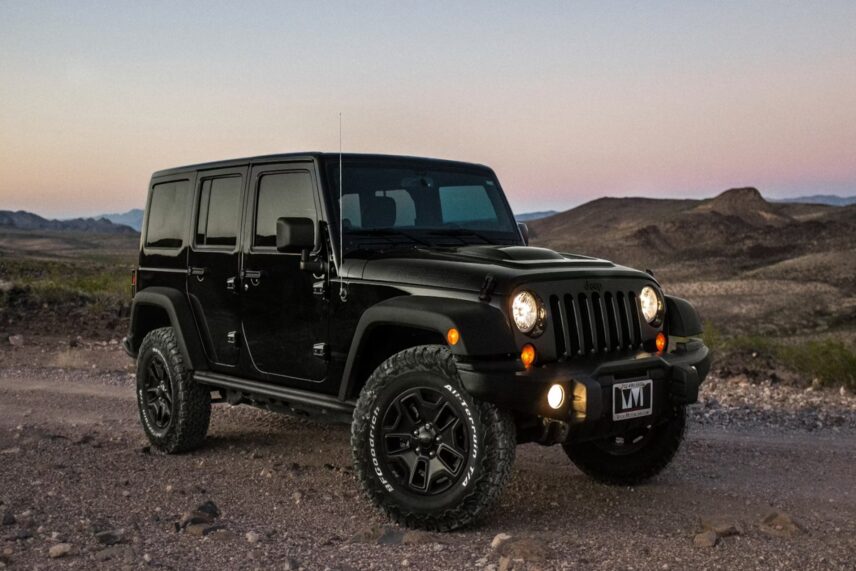
Whether you’re positioning your Jeep ducks on a side mirror or alongside the iconic seven-slot grille of the Jeep Wrangler, visibility is key. The owner should spot your duck within seconds of approaching their vehicle.
What to Write on Your Tags
Tags add personality and context to your gesture, though they’re optional. Most people use a Sharpie to write directly on the duck or attach a small note. Common messages include straightforward compliments like “I like your Jeep” or playful puns that riff on duck-related wordplay.
Including the #duckduckjeep hashtag helps connect your gesture to the broader community. It signals to the recipient that this is part of a global tradition they can participate in and pass on.
What to Do When You Get Ducked
Finding a duck on your Jeep is a badge of honor. The first step is simple: take a picture. Share it on social media with the #duckduckjeep hashtag to join the conversation and show appreciation for whoever left it.
From there, you have options. Many Jeep owners keep their ducks as trophies, building collections that represent different encounters and locations. Others choose to pass them along, placing the duck on another Jeep to keep the cycle of kindness moving. There’s no wrong choice. The tradition is yours to participate in however feels right.
Can You Duck Non-Wrangler Jeeps?
This question comes up constantly, and the answer is an enthusiastic yes. While the tradition started with Wranglers, any Jeep is fair game. Cherokees, Compasses, Grand Cherokees, Renegades and every other model in the lineup are all welcome participants in the ducking tradition.
The condition of the vehicle doesn’t matter either. A pristine showroom model and a muddy trail veteran with 200,000 miles are equally worthy of a duck. Stock configurations and heavily modified rigs both deserve recognition. Jeep produces some of the best off-road SUVs across its entire lineup, and that alone makes them all ducking candidates.
How to Start Your Own Duck Pond Dashboard

Once you start getting ducked regularly, you’ll face a decision: display your collection or pass them along. Many Jeep owners choose the former, creating “duck ponds” on their dashboards that showcase every duck they’ve received.
Your duck pond becomes a visual representation of your status in the community. It’s a conversation starter at gas stations and parking lots, a way to signal to other Jeep owners that you’re part of the tribe. Building your collection is a personal touch that makes your rig uniquely yours, similar to how you’d mod your car for off-roading to match your specific style and needs.
Keeping the Jeep Ducking Tradition Alive
Allison Parliament turned a moment of fear and negativity into a global movement built on kindness, recognition and community. What started with one woman and a bag of dollar-store ducks has become a defining characteristic of Jeep culture, connecting owners across continents through simple gestures of appreciation.
The tradition survives because people like you keep it going. Grab a bag of rubber ducks, toss a Sharpie in your glovebox and keep an eye out for Jeeps that deserve recognition. Whether you’re ducking a lifted Rubicon or a daily-driver Cherokee, you’re participating in something bigger than a quirky trend. You’re spreading kindness one duck at a time.