As an Amazon Associate, Modded gets commissions for purchases made through links in this post.
The “rest in red” program is a road safety initiative aimed at curbing speeding and reducing high-speed crashes. Discover how it incentivizes drivers to respect the speed limit.
How Does Rest in Red Work?
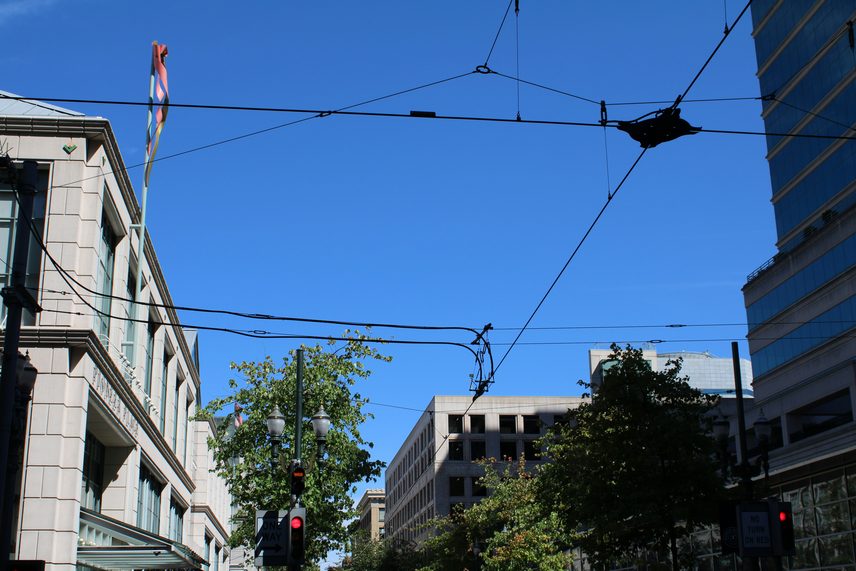
Rest in red is a signal timing system designed to manage vehicle speeds. This technology strategically uses the red light to encourage oncoming traffic to stay within the speed limit or switch to adaptive cruise control before reaching intersections.
Some officials set traffic signals to red in all directions, encouraging motorists to slow down and helping self-driving cars recognize pedestrians and other vehicles. Others use feedback signals that trigger a red light whenever the system detects a vehicle that’s moving too fast.
Which Cities Have Adopted the Rest in Red Program?
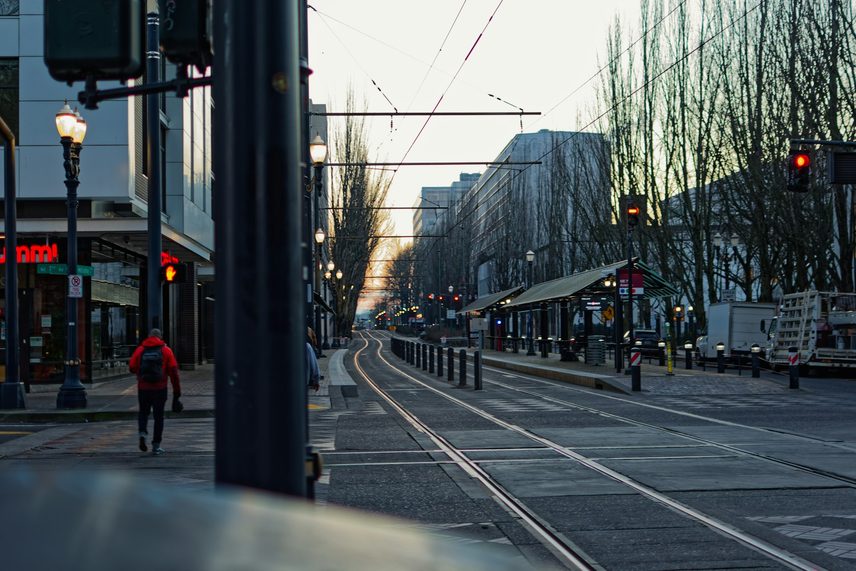
North Carolina and some American cities have implemented rest in red programs. However, only Albuquerque, New Mexico, and Portland, Oregon, use speed sensors to incentivize good drivers by giving them the green light earlier.
Austin, Texas, prefers to keep traffic signals on red on major corridors, telling approaching drivers to slow down.
Rest in Red Programs Are Promising
Rest in red adopters swear by its effectiveness. Hopefully, more local governments will follow suit.