As an Amazon Associate, Modded gets commissions for purchases made through links in this post.
Whether you drive on smooth city streets or rough terrains, shocks and struts are crucial to keeping your vehicle stable on the roads. However, these components experience wear and tear over time, making it paramount that you replace them systematically.
Our guide will answer some of the most frequently asked questions about shock and strut replacement. Learn when it’s time to replace these vital components and what you can do to ensure optimal vehicle safety.
Understanding Shocks and Struts
Since 87% of Americans reported having access to a car, it’s necessary to increase awareness of vital vehicle parts for added safety on the roads. Shocks and struts are crucial components of your vehicle’s suspension system — yet they perform very different functions to increase stability. Here’s a more detailed explanation of the role they play.
Shocks
Shocks are instrumental in controlling your vehicle’s spring and suspension movement. They do this by transforming kinetic energy into thermal energy, which is finally released into hydraulic fluid. The process helps vehicles absorb the impact of hitting bumps on the road. As roads tend to have their fair share of potholes, speed bumps and other obstacles, your shocks are crucial for smoother rides.
Struts
Struts have a more extensive role to play in a vehicle’s suspension system. While they offer similar support to shocks, they are fundamental in holding the tire in its correct position. Correct wheel alignment improves the overall ride.
How to Tell If You Have Shocks or Struts
It’s important to note your wheels will have a strut, a shock or a combination of the two. For instance, a vehicle could have struts on the front wheels and shocks on the back wheelset. So how do you know which components you need to replace? Here are some telltale signs:
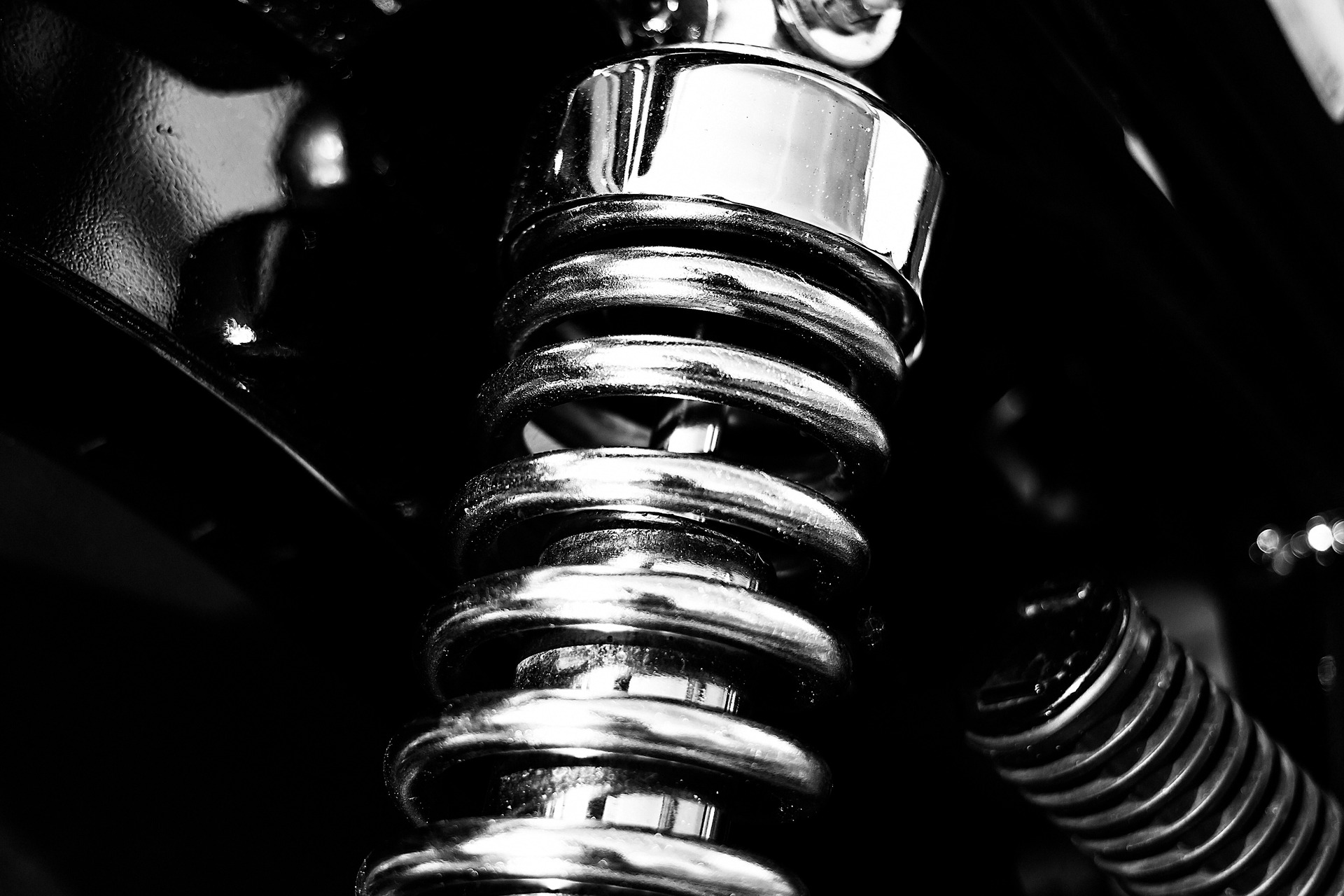
- Visual clues: Shocks and struts look different. Shocks have a similar appearance to a hand pump while struts resemble a coil spring. Taking note of these visual identifiers will help you determine the difference.
- Check your owner’s manual: Your owner’s manual will provide a surefire description as to whether you have shocks or struts. Refer to this document to gain complete peace of mind.
- Ask a mechanic: Those with expert car knowledge can spot a strut and shock from a mile away. If you’re unsure which components your car uses, consult a car
When to Replace Shocks and Struts
The general rule of thumb is that front shocks last approximately 50,000 miles — yet your owner’s manual will likely provide a more specific maintenance schedule. If you’re planning to tackle off-road tracks, you’ll need to take a closer look at your suspension. Some warning signs that may indicate earlier replacement include:
- Strange noises: A clunking or knocking sound is a sure sign that your shocks or struts require replacement. These noises are the result of metal coming into contact with other metal components due to a lack of absorption.
- Unstable suspension: If it feels like your car dips forward when braking or sags backward when accelerating, it’s best to get your shocks and brakes assessed.
- Uneven ride: Trips that feel bouncy or bumpy are a sure indication of worn struts and shocks. Consult with an expert if you experience uneven rides.
- Less control when turning corners: Shocks and struts help drivers enjoy greater control as they turn corners. Enable greater safety on the roads by being mindful of the condition of these vital components.
- Fluid leaks on shock or strut exterior: An oily or wed appearance is a sure sign your struts and shocks are malfunctioning. Take corrective action immediately and get an expert to check the situation.
Vibration in the steering wheel: While you can expect some vibration on rough roads, it’s not a normal occurrence on even terrains. It could be time to replace your struts and shocks if you’ve noticed a vibrating sensation while steering. Unusual vibrations can also damage your suspension prematurely, so it’s good to think about a replacement sooner rather than later.

How to Replace Shocks and Struts: A Step-by-step Process
The process of how to replace rear shocks is much the same as replacing the front ones. While some people prefer to use a professional to replace their shocks and struts, it’s very possible to complete this task yourself. Here’s a breakdown of the tools you’ll need to tackle the process.
1. Prepare Tools
Aside from the new shocks and struts, you’ll need a few other tools for a successful replacement. Here’s a helpful list of the most common items you’ll need:
- Socket set: A socket set contains various fasteners in different sizes, enabling you to loosen the upper and lower mounting bolts ahead of a replacement. You’ll use these tools again at the end of the process to ensure all components are secure.
- Wrenches: While some socket sets include open and box-end wrenches, it’s worth checking these tools are present before getting started. Using the right wrench ensures a better grip and torque application.
- Jack and stands: You’ll need these components to elevate the vehicle ahead of shock and front strut replacement. Quality equipment ensures a safer lift.
- Torque wrench: Yes, another wretch! This piece of equipment helps vehicle owners tighten bolts and comply with the manufacturer’s specifications.
- Pry bar: If your struts and shocks have been in use for a while, you may need some more robust equipment to remove these components. A pry bar will come in handy.
- Spring compressors: These elements play a vital role during strut replacement. By incorporating them in the installation, you help to ensure the spring coil compresses safely.
In addition to collecting these tools, it’s worthwhile to equip each team member with a pair of goggles and gloves. Taking necessary safety precautions helps to limit injuries on the job.
2. Lift the Vehicle
Before you begin working on your car, you need to ensure it’s parked on a hard, flat surface. A concrete driveway or garage floor is ideal as they are typically level. Make sure no part of your body is under the car while raising it, too. Some further lifting tips include:
- Secure the wheels: Place a chuck on either side of each wheel as an added precaution. Bricks or small rocks will serve the same purpose as chucks if they’re not available.
- Loosen lug nuts: Taking the time to loosen the lug nuts at the front and rear makes it easier to replace shocks and struts while the vehicle is elevated. Some lug nuts are tougher to remove than others, so put your weight onto the wrench for extra support.
- Position the jack: Refer to your owner’s manual to assess the best space to position the jack. There are only limited spaces that allow the safe elevation of a car — finding the correct place eliminates damage to the body.
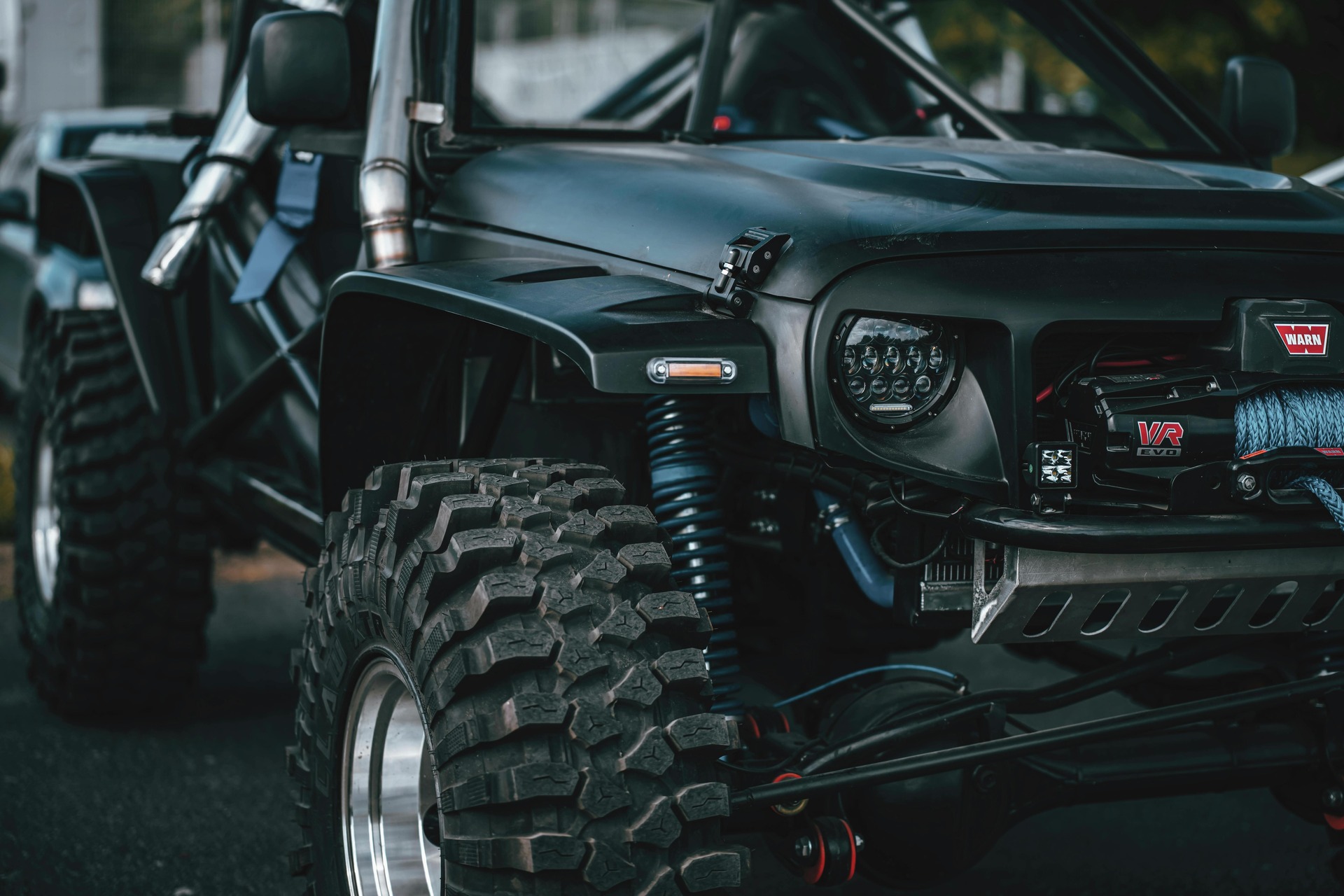
3. Remove Current Shocks and Struts
If you’re replacing your shock absorbers, you will need to locate the current ones and loosen the bolts holding them in place. It’s best to use a socket and ratchet for this task.
In contrast, there are often other elements restricting access to the struts. Be sure to remove any brake lines or sway bar links to ensure easy access to these components. You can then remove the mounting bolts and remove the strut slowly.
4. Install New Shocks and Struts
The process for installing shocks and struts is slightly different. For shocks, you’ll need to ensure the mounting points line up and then tighten the bolts with a torque wrench.
Struts may require a spring compressor for efficient placement. You’ll also need to secure the placement by tightening the top and bottom nuts.
5. Conduct Final Checks
If you’re replacing your shocks and struts for the first time, you may be unsure if you’ve completed the task successfully. One way to assess your handiwork is to drive around the block and listen out for any strange noises. If you hear any clunks or knocking noises, it’s best to remove the bolts and try again.
As shocks and struts are crucial to your safety on the roads, it may be in your best interest to consult a professional to ensure you do the job correctly.
Common Mistakes With Replacing Shocks and Struts
If you’re planning to replace your shocks and struts yourself, it’s best you’re mindful of some potential issues. Here is a short list of some common mistakes to look out for:
- Incorrect shock absorbers: Using shock absorbers that are not compatible with your vehicle can lead to faulty handling or safety concerns. Refer to your owner’s manual to find options that are compatible.
- Favoring one side: Whether you’re replacing shocks or struts, it’s best to replace both the left and right side. Replacing these components at the same time helps to ensure a balanced performance on the roads.
- Neglecting other suspension elements: Shocks and struts are just two suspension components — yet your overall vehicle safety relies on many others. Be sure to check your bushings and control arms for complete peace of mind,
- Overlooking wheel alignment: Strut and shock replacement go hand in hand with wheel alignment. This helps to maintain your tires and eliminate the need for unexpected replacements on the side of the road.
General Maintenance
Regular maintenance is crucial for most car components such as serpentine belts and brake pads. Shocks and struts are no different and should receive regular performance checks. Some easy methods to assess their performance include:
- Visual examinations: Inspect shocks and struts for any physical damage, such as rust or leaks. Take immediate action if you notice anything concerning.
- Follow a cleaning schedule: Try to remove any dust or debris from these components. In addition, you may want to consider a protective coating to give your shocks and struts an extra level of protection. If you’re frequently driving through more extreme temperatures and weather conditions, your car parts may need to be cleaned and maintained more regularly.
Frequently Asked Questions
While our guide on how to replace shocks and struts covers many useful information areas, it’s likely that you may have some more specific questions. Refer to some of our frequently asked questions or contact our team for a more personalized response.
1. What Type of Struts or Shocks Should I Choose?
The components you need depend on your driving style and requirements. Car owners generally have the following shock and strut options to consider:
- Original equipment manufacturer (OEM)
- Performance
- Heavy-duty elements
OEM components often come with a hefty price tag, many car owners favor them for their reliable reputation. Options for shocks and structs known for superior performance or long-wearing nature are also durable options.
2. How Long Do Struts Last?
A shocks and struts replacement depends on your car’s make and model. If you’re handling the job yourself it’s likely to take between two and four hours — yet professionals will have the skills to complete this task faster.
3. Do Coilovers Replace Shocks
Coilovers are a firm favorite with car enthusiasts. The combination of classic shocks and coil springs enables better suspension on more challenging routes.
Ultimately these components perform similar functions to shocks, yet they also come with a higher price tag. Consider making the switch if your driving performance would benefit from these components.
4. How Much Does it Cost to Replace Shocks and Struts?
The cost to replace shocks and struts on standard vehicles is reasonably affordable yet replacement costs on higher-end cars are significantly more. Some other factors that will impact the total expense include:
- Parts: Your choice of OEM or aftermarket parts will contribute to your final bill. While OEM parts come with a higher price tag, they ensure a perfect fit. Aftermarket parts often deliver similar results — providing that you do your due diligence and choose them carefully.
- Labor: While some people opt to replace shocks and struts themselves, others prefer to outsource this task to a mechanic. Labor costs will add to the final amount.
- Specialized equipment: Unless you purchase loaded struts, you will need a spring compressor to complete the replacement. The cost of purchasing or renting one will drive up the costs significantly.
5. What Happens If I Don’t Replace Worn Struts or Shocks?
Failing to replace your struts and shocks has a severe impact on your vehicle. For starters, you may experience less control while driving, impacting the safety of you and your passengers.
In addition, you will also experience increased wear on your suspension and tires, leading to more costly maintenance expenses.
Prioritize Your Shock and Strut Replacement
While the cost of replacing your struts and shocks may put you off, avoiding this expense is even more detrimental.
Use our guide to replace these vital components yourself and ensure a smoother ride on even the bumpiest roads. Alternatively, contact a professional to help you with this vital part replacement.