As an Amazon Associate, Modded gets commissions for purchases made through links in this post.
You finish dinner, head back to the parking lot and hit the unlock button on your key fob. Nothing happens. Then you notice the empty space where your SUV should be. There are no broken windows or shattered glass because thieves intercepted your key’s wireless signal and drove away.
Modern vehicles are rolling computers packed with sensors, wireless connections and electronic control units that manage everything from the engine to the infotainment system. Those features make driving smarter and more convenient, but they also create opportunities for cybercriminals. While Hollywood loves dramatic takeover sequences, the real threats are quieter, more practical and already happening. Understanding car hacking, automotive cybersecurity and modern car security can help you better protect your ride and personal data.
Modern Cars Are Computers on Wheels
Your vehicle does far more than get you from point A to B. Modern cars contain dozens of electronic control units (ECUs) that manage everything from braking and steering to climate control and navigation. These miniature computers constantly exchange information, creating a network that helps your vehicle operate efficiently and safely. Software-defined vehicles are dominating the market, with an increasing focus on connectivity to improve efficiency and upgradability.
This adds another layer. Bluetooth, Wi-Fi, cellular connections and smartphone apps let you unlock your doors, start the engine remotely, monitor vehicle health and receive over-the-air updates. The trade-off is that every connection creates another potential entry point for cybercriminals. That’s why automotive cybersecurity has become as important as traditional car security.
How Car Hacking Works
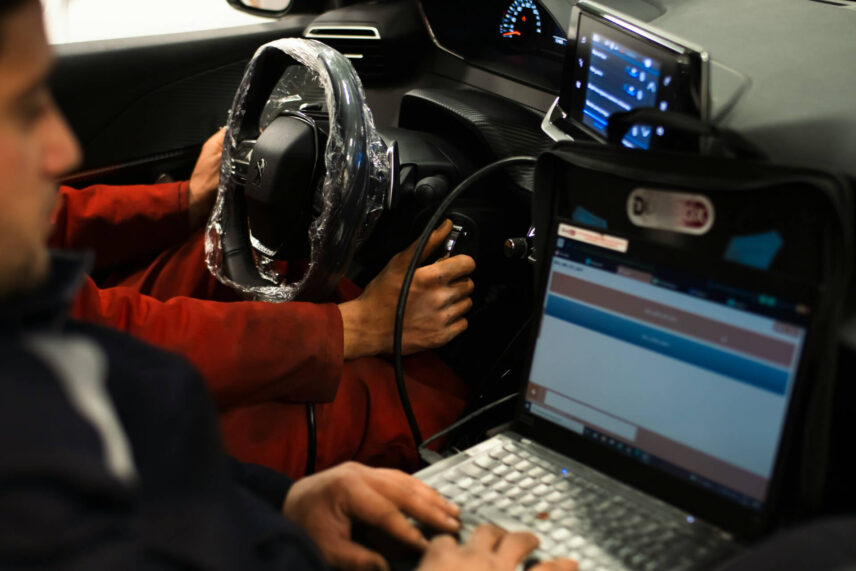
Most hackers aren’t sitting in a van trying to take over random vehicles. Instead, they look for weaknesses in the systems that connect modern cars to the outside world.
One of the most important is the Controller Area Network (CAN) bus, the communication system that allows a vehicle’s ECUs to exchange information. The CAN bus is a legacy technology that was designed long before connected cars were a thing, so security isn’t its primary concern. If attackers gain access, they may be able to send fake commands that the vehicle accepts as legitimate. The National Highway Traffic Safety Administration often updates its best-practices guide for manufacturers to help address vulnerabilities in system designs.
Hackers use several techniques:
- Relay attacks: Criminals amplify the signal from a key fob inside your home, tricking your vehicle into thinking the key is nearby so they can unlock and start it.
- Infotainment exploits: Bugs in connected entertainment systems can provide a pathway into other vehicle functions if manufacturers don’t properly isolate those systems.
- OBD-II attacks: The onboard diagnostics (OBD) port gives mechanics access to vehicle systems. In the wrong hands, it can also allow thieves to program new keys or manipulate vehicle settings.
- Third-party accessories: Aftermarket alarms, GPS trackers and remote-start systems sometimes introduce vulnerabilities that weren’t present in the original vehicle design.
Real-World Examples That Changed the Industry

Car hacking isn’t hypothetical. Several high-profile incidents have pushed manufacturers to take cybersecurity far more seriously.
In March 2025, cyber researchers managed to breach the light detection and ranging (LiDAR) system of a level 4 autonomous vehicle during a controlled test. The team initiated remote emergency braking and subvented several emergency systems. A second research team managed to access a fleet’s central management system and assume control of 200 autonomous vehicles. A third case involved directing self-driving vehicle behavior after accessing the infotainment system. This is concerning as self-driving cars are rapidly gaining popularity and may be on the road in larger numbers.
All three incidents show how a resourceful hacker can infiltrate the vehicle system through supposedly safe points like infotainment systems, over-air updates and navigation controls. While individual incidents targeting consumers are still rare or underreported, the threat is real.
Why Car Hacking Is a Concern
Most people associate car hacking with vehicle theft, but that’s only part of the story. As cars become more connected, the potential consequences extend beyond losing your ride.
Privacy is one of the biggest concerns. Your vehicle may store your location history, phone contacts, messages and even garage door codes. If attackers gain access to connected systems, that information could reveal where you live, work and spend your time.
There’s also the growing threat of automotive ransomware. Instead of stealing a vehicle, criminals could lock owners out of connected features or disable fleets until a ransom is paid. While widespread ransomware attacks on personal vehicles aren’t yet common, you should consider them a realistic future risk as software-defined vehicles become more prevalent.
How Automakers Are Fighting Back
With cybersecurity attacks occurring every 39 seconds, manufacturers are taking action, and today’s vehicles undergo far more cybersecurity testing than they did a decade ago. One of the biggest improvements is the introduction of the United Nations Economic Commission for Europe Regulations R155 and R156. These standards require automakers selling vehicles in participating markets to implement cybersecurity management systems and software update processes throughout a vehicle’s life cycle.
Many manufacturers also deliver over-the-air updates, allowing them to patch newly discovered vulnerabilities without requiring a dealership visit. Just as your smartphone receives security updates, your vehicle’s software increasingly does the same.
How You Can Improve Your Car Security
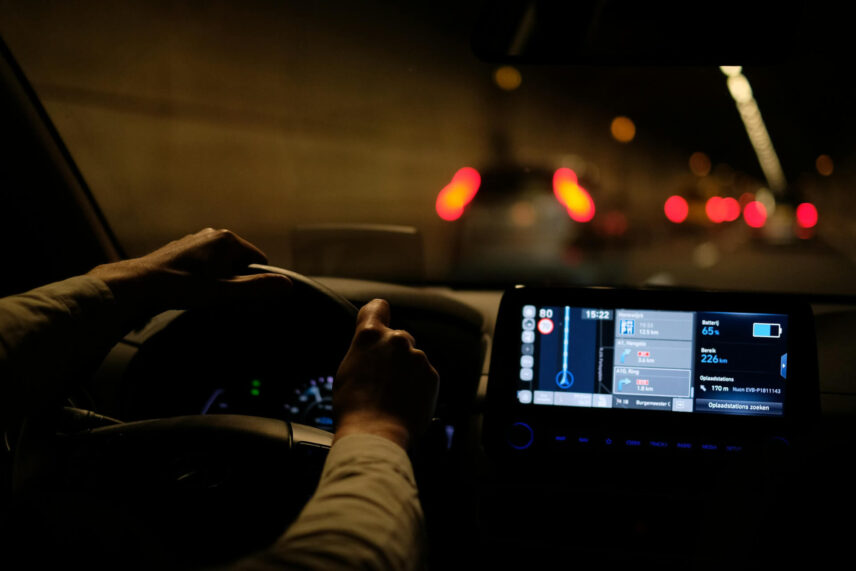
You don’t need to be a cybersecurity expert to reduce your risk. A few simple habits go a long way.
| Security Tip | Why It Helps |
| Store your key fob in a Faraday pouch to prevent cloning. | Blocks wireless signals, helping prevent relay attacks that thieves use to unlock and steal keyless vehicles. |
| Install software updates promptly. | Keeps your vehicle protected with the latest security patches and fixes for known vulnerabilities. |
| Be cautious with USB devices. | Unknown USB devices can introduce malware or exploit weaknesses in your vehicle’s software. |
| Remove unused Bluetooth pairings. | Reduces the number of potential access points that unauthorized users could target. |
| Choose reputable aftermarket accessories. | Trusted manufacturers are more likely to provide security updates and address newly discovered vulnerabilities. |
| Secure your vehicle’s mobile app. | Using a strong password and enabling multifactor authentication makes it harder for attackers to access connected vehicle features. |
The Road Ahead
Cars will only get more connected as software-defined vehicles and artificial intelligence reshape the automotive industry. AI will help manufacturers detect threats faster, but it may also help attackers discover vulnerabilities more efficiently.
That makes a “security by design” approach more important than ever. Instead of treating cybersecurity as an afterthought, automakers and consumers must prioritize it from design to final vehicle build and maintenance. No system is ever fully immune to intrusion, but when you practice safe digital habits and keep your vehicle systems up-to-date, you make nefarious snooping much harder, and you can enjoy your driving with peace of mind.