As an Amazon Associate, Modded gets commissions for purchases made through links in this post.
The car industry is a multitrillion-dollar industry. Hundreds of auto manufacturers operate today, and some own larger slices of the pie. So, what’s the most popular car brand? Discover the automakers that have ruled their categories.
What’s the Most Popular Car Brand by Sales Volume?
Quantity is the ultimate indicator of popularity. These manufacturers outsell the rest.
Global Leader — Toyota Still on Top
Toyota Motor Corporation is the undisputed leader in sales volume. In 2024, this carmaker sold roughly 10.8 million vehicles worldwide, marking the fifth consecutive year it topped global auto sales, even as overall sales softened in some markets.
This Japanese brand is on pace to hold on to its throne for another year, having already sold 10,327,976 units over the first 11 months, up from the same period the previous year.
Toyota’s leadership stems from massive appeal in mass-market segments — entry-level and family cars, like the RAV4 or Corolla — as well as a growing hybrid lineup that bridges traditional internal combustion and electrified vehicles.
Runners-Up — Volkswagen, Ford and BYD
The automakers that trail Toyota are as follows:
- Volkswagen: This German auto group ranks second when you combine the automobiles sold across its multiple marques, such as Lamborghini, Audi, Škoda and Porsche.
- Ford: This American continues as a major player, particularly in North America, where trucks and SUVs dominate consumer demand.
- BYD: This Chinese new energy vehicle manufacturer overtook Tesla as the world’s most prolific seller of electric vehicles (EVs), with over 2.25 million units sold.
This landscape highlights how mass-market brands still account for the vast majority of units sold worldwide, while new EV-first companies, such as BYD, are reshaping the competition.
Premium Brands — BMW and Mercedes-Benz
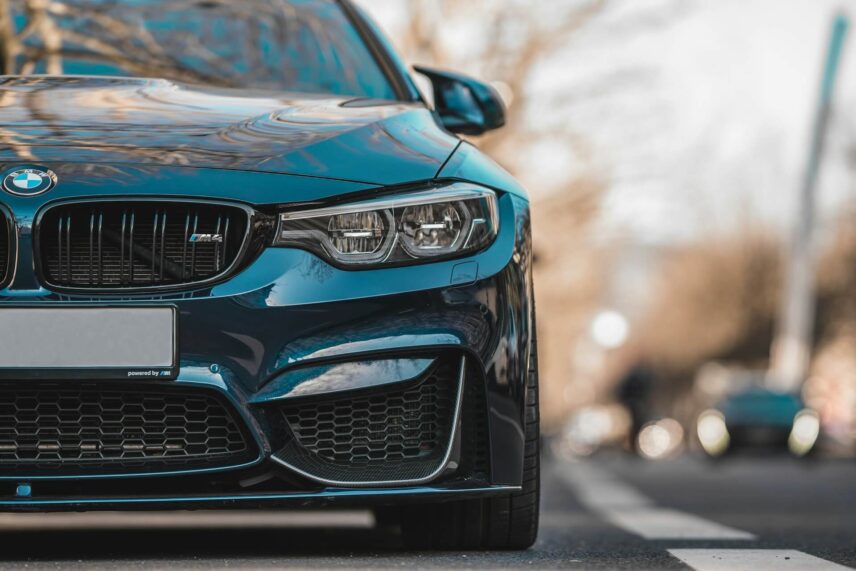
Although the annual unit volumes of these German luxury automakers are underwhelming compared to mass-market masters, they’re household names. High-end brands often compete on profit margin, luxury features and technology rather than volume alone. They are aspirational and influential in automotive culture but tend to serve a smaller chunk of the global market.
Among carmakers that prioritize quality over quantity, BMW and Mercedes-Benz reign supreme. In 2025, the former sold almost 370,000 more units than the latter — 2,169,761 vs. 1,800,800.
Most Popular Car Brands in History
To understand popularity over time, it helps to look at historical cumulative sales and cultural impact. The legacies of certain brands reflect enduring consumer demand and broad adoption.
Legendary Legacy, Reputation for Reliability
Ford Motor Company was the architect of mass motorization. In the early 20th century, the Ford Model T became one of the first cars to sell over one million units, democratizing personal transportation and setting the stage for modern automotive consumer culture.
Although Toyota’s cumulative sales now surpass most competitors globally, Ford’s vital role in shaping the industry cannot be understated. Ford’s legacy includes decades of high volume, especially in North America, with models like the F-Series pickups.
The Toyota Corolla is the most popular car of all time. It’s an absolute bestseller, with over 50 million units sold since the early ‘60s — the only model to achieve this feat. This long-running model’s popularity across continents, price ranges and consumer groups underscores Toyota’s global appeal over decades.
Fruit of Prestige
The historical influence of BMW, Mercedes-Benz and Audi on automotive engineering, safety standards and luxury expectations is profound. Their continued strong sales year after year show enduring consumer interest in premium vehicles.
Most Popular Car Brand by Region
Regional markets reveal how consumer preferences differ across the world. A brand might dominate globally, but local tastes and local competition shape popularity in distinctive ways.
North America — Practicality Over Domestic Bias
In the United States, popularity often reflects consumer love for trucks, SUVs and utility vehicles. The Ford F-Series has consistently led sales charts for decades.
Despite Ford’s appeal, Toyota remains the most popular car brand in America by volume, buoyed by strong SUV and hybrid sales, the RAV4 and Camry. Chevrolet and Honda also maintain significant shares.
Overall, while Toyota competes strongly, American consumers still show strong loyalty to domestic brands in segments like pickup trucks and large SUVs.
Europe — Diverse Preferences
In Europe, vehicle choices tend to be more varied, with a strong mix of hatchbacks, compact cars and increasingly, EVs. Volkswagen Group consistently leads sales volumes on the continent, accounting for nearly 30% of the market share by July 2025.
European buyers also favor brands that offer efficient city cars and practical everyday driving options. Budget-friendly vehicles, such as Dacia’s offerings, have captured significant retail popularity in recent years due to their accessible pricing. Affordability could be BYD’s gateway to success as it expands into Europe to solidify its position as the EV leader.
Premium German brands, such as BMW and Mercedes-Benz, perform strongly in Europe, especially in luxury and high-technology segments.
Asia — A Dynamic Landscape
Asia’s automotive landscape is rapidly changing, with preferences shaped by different economic trends.
In China, the world’s largest auto market, domestic brands have taken off. BYD’s exponential growth illustrates how local manufacturers are now competing with global incumbents.
Japan remains a major hub for Toyota, Honda and Nissan, with Toyota’s mix of mass-market and hybrid offerings proving particularly popular across the continent. Meanwhile, South Korean brands Hyundai and Kia continue to enjoy excellent sales in Asian markets by focusing on fuel efficiency, with models like the Elantra and Forte, respectively.
Why Sales Volume Still Matters

Sales volume gives a clear metric for popularity because it reflects concrete consumer purchasing behavior. Toyota, Volkswagen and other leading mass-market brands stay at the top by offering vehicles that fit broad needs — reliability, affordability and practicality.
Prolific automakers in the premium category are highly desirable, often excelling in markets where brand image, safety and comfort carry extra weight.
At the regional level, consumer preferences — such as America’s taste for trucks, Europe’s mix of efficient compacts and premium vehicles, and Asia’s dynamic EV momentum — create vibrant, diverse definitions of popularity.
Today’s Contenders Can Be Tomorrow’s Most Popular Car Brands
Popularity evolves with consumer habits, technology shifts and regional tastes. Auto brands with the most enduring charm have nailed the balance between consistent quality and quick adaptability. Those that achieve sustained relevance across time and geography — whether through sheer sales volume, iconic models or cultural influence — will continue to define the global auto industry.