As an Amazon Associate, Modded gets commissions for purchases made through links in this post.
We’ve mapped the ocean floor and sent probes to Mars, yet some sounds on our own planet remain complete mysteries. Take the hum, a low-frequency drone that only certain people can hear. Scientists are still debating what causes it. And it’s far from the only unexplained sound out there. From ocean depths to the edge of space, bizarre noises continue to puzzle experts and fascinate the rest of us.
The Persistent Mystery of The Hum
The hum is a low-frequency droning noise that seems to come from nowhere. Only certain people can hear it — others standing right next to them cannot. It’s one of those unexplained sounds that tap into our deeply human need to find answers.
Reports of the hum come from all over the globe, with certain locations becoming particularly famous. Bristol in the UK, Taos in New Mexico and Windsor in Ontario have all dealt with persistent versions. Research suggests it can be heard by an estimated 2% to 4% of people worldwide.
Theories have ranged from high-pressure gas lines to power lines and industrial equipment. The sound is often louder indoors and more noticeable at night, which doesn’t fit external industrial sources. So what’s actually going on?
A study published in PLOS One offers the most compelling explanation yet. For many people experiencing the hum, researchers found it may be a form of low-frequency tinnitus generated by the ear itself. The study ruled out hypersensitive hearing and eliminated the possibility that people were hearing normal ear sounds.
This explanation fits why the hum follows certain people from place to place, while others hear nothing at all. However, our enduring fascination with the unexplained probably won’t be satisfied by such a mundane possibility.
Eerie Sounds From the Sky Above

If mysterious ground-level hums are weird, wait until you hear about skyquakes. These loud, trumpet-like or cannon-like booms seem to originate from the sky with no visible cause. No storm, no aircraft, nothing. Just massive booms strong enough to rattle windows. These unexplained sounds have been freaking people out for centuries.
Skyquakes are a global phenomenon with different names depending on location. The Eastern United States calls them “Seneca guns.” In Japan they’re known as “uminari,” which eerily means “cries from the sea.” Reports go back hundreds of years, long before sonic booms or military aircraft.
There’s no single explanation that covers all skyquakes. Researchers believe different events have different causes. The most likely culprits include:
- Meteors: Large meteors called bolides can explode in the upper atmosphere and create powerful shock waves.
- Atmospheric ducting: Temperature inversions can trap sound waves and carry them for very long distances, meaning a sound from hundreds of miles away might suddenly become audible.
- Human activity: Sonic booms from military aircraft are common, though this doesn’t explain historical reports from the 1800s.
- Geophysical phenomena: Gas escaping from the earth or shallow earthquakes were once considered likely, but research has cast serious doubt on this theory.
- Ocean activity: Large breaking waves can generate low-frequency sounds that travel through the atmosphere.
Scientists cross-referenced local reports with seismograph data and found nothing that lined up. Most researchers now conclude the sounds come from atmospheric rather than seismic sources. People who experience skyquakes often describe feeling genuinely creeped out, like they’ve heard something apocalyptic. The sounds are eerie enough to inspire modern urban legends and theories.
Strange and Unexplained Noises from the Deep
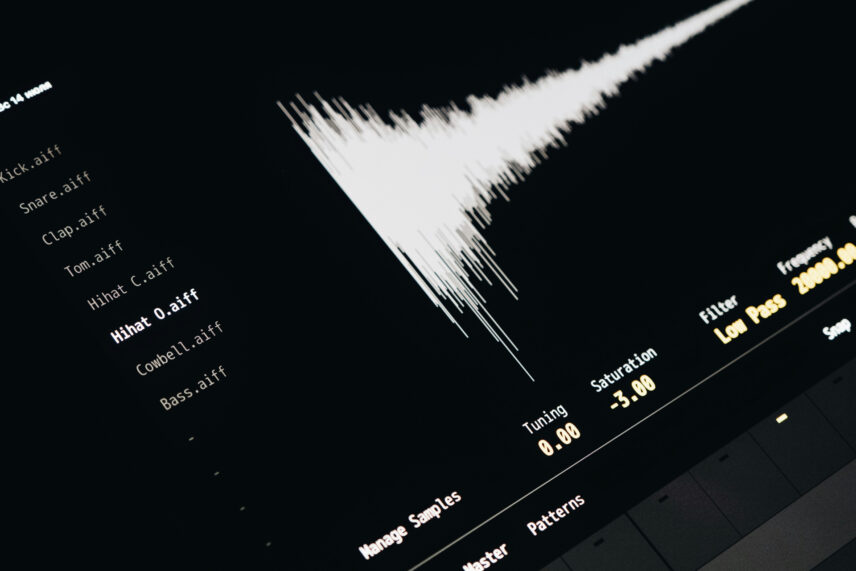
We’ve barely scratched the surface of ocean exploration, and hydrophones constantly pick up sounds we can’t identify. These unidentified sounds remind us how much of our own planet remains a mystery.
The Infamous Bloop
The Bloop is probably the most famous mysterious sound ever recorded. Unlike the hum, this one has been explained, but the story is fascinating. In 1997, NOAA picked up an ultra-low-frequency sound powerful enough to cross the entire Pacific. Sensors more than 3,000 miles apart detected it simultaneously.
The acoustic signature resembled a marine animal but was far too loud to have been made by any known creature. This led to wonderful speculation about sea monsters and unknown deep-sea giants. NOAA kept monitoring, and in 2005, they solved it. The Bloop and similar sounds were cryoseisms or icequakes. Massive icebergs fracturing and breaking away from Antarctic glaciers create these sounds. The increasing frequency has become an unexpected indicator of climate change.
The Unsettling Upsweep
The Upsweep is different. This sound consists of long trains of narrow-band, upsweeping sounds recorded since 1991. It sounds uncannily like a series of underwater sirens. Unlike the Bloop, Upsweep remains unexplained and is still being detected by researchers.
The sound appears seasonal, peaking in spring and autumn. Scientists at NOAA suspect it’s related to underwater volcanic activity in the remote South Pacific between New Zealand and South America. Hydrophones have pinpointed the general area, but no specific vent or seismic event has been confirmed as the source. Some theories suggest it could be linked to unrecorded marine life, though volcanic activity seems more likely.
Scientists have nicknamed other bizarre ocean noises as well:
- Julia: A sound from 1999 described as a “muffled woman’s voice cooing or whining,” likely an iceberg running aground in Antarctica.
- Slow Down: A 7-minute sound from 1997 that slowly descends in pitch, thought to be a massive iceberg scraping along the seafloor.
- The Train: An intermittent sound recorded in 1997 that resembles a train whistle. Also thought to be an iceberg dragging its keel on the seafloor. Who knew icebergs were so musical?
- The Whistle: A continuous signal picked up by just one hydrophone in 1997, possibly from a distant volcano.
The years 1997 to 1999 were apparently peak years for weird ocean noises. Most are thought to be linked to icebergs, but they’re far from the only great mysteries connected to Antarctica and the poles.
Listening to Eerie Signals from Outer Space
Let’s be clear — space is a vacuum, so you can’t actually “hear” sound in the traditional sense. The sounds discussed here are radio waves or electromagnetic signals that scientists convert into audible sound through sonification.
These translated sounds can be extraordinarily eerie. NASA knows this, and actually released a playlist of spooky space sounds just in time for Halloween. Some are genuinely unsettling.
The Wow! Signal
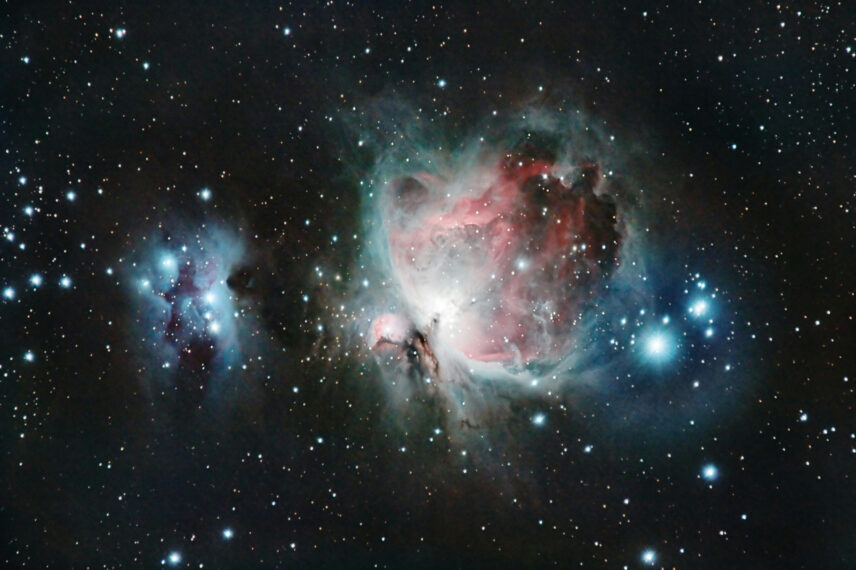
The most famous example is the Wow! Signal. In 1977, astronomers detected a powerful, narrow-band radio signal that lasted for 72 seconds and unleashed a frenzy of speculation about alien contact. The signal appeared to come from Sagittarius. It was so unusual that the astronomer wrote “Wow!” on the data printout, and the name stuck.
The signal has never been detected again. It remains officially one of those unidentified sounds that sparked huge excitement. The original hypothesis involved cold hydrogen clouds, which aren’t powerful enough on their own to create such a signal. Unless aliens were involved. Just kidding. Sort of.
New research offers a more plausible explanation. A magnetar, a type of neutron star similar to a pulsar, may have emitted a boost that amplified the hydrogen clouds’ signal. Magnetars were unknown to science in 1977, so researchers couldn’t have considered this explanation. The Wow! Signal may be on its way to being explained.
That won’t stop keen backyard astronomers from scanning the sky around Sagittarius for any hint that scientists may be wrong. There’s something appealing about the idea that we might still pick up something truly unexplainable.
The Enduring Allure of Unexplained Noises
From the persistent hum that only some people can hear to booming skyquakes, haunting ocean sounds and mysterious signals from space, unexplained noises remind us that the world still holds secrets. Science continues to chip away at these mysteries and sometimes succeeds. But it’s our human curiosity and imagination that make them compelling in the first place. The unknown keeps things interesting and long may that continue.