As an Amazon Associate, Modded gets commissions for purchases made through links in this post.
Look, we’re not saying ghosts are real. But we’re also not not saying it. Let’s get weird and look at the evidence.
The question of whether ghosts exist has haunted humanity for centuries. We tell ghost stories around campfires, binge paranormal shows at 2 AM and debate whether that creaky floorboard is just the house settling or something more sinister. It sits at the intersection of science, psychology and the human need to believe there’s more to reality than we can see.
So are ghosts real? The answer is frustratingly complicated. Science offers compelling explanations for many paranormal experiences but some phenomena remain difficult to explain away. Whether you’re a skeptic, a believer or somewhere in between, the evidence might surprise you.
First Off, Why Are We So Obsessed With Ghosts?
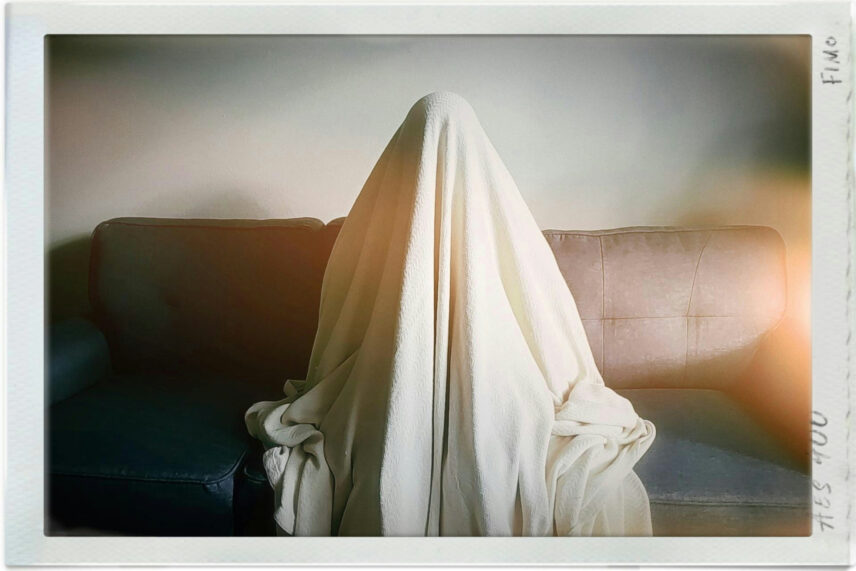
For a start, we actively seek out fear in controlled environments. We love to get scared through horror games, movies and books because the adrenaline rush feels good when we’re safe. Ghost stories offer the perfect blend of mystery and terror without any real danger.
But there’s more to it than just thrills. Ghost stories are modern folklore that connect us to something larger than ourselves. Tales of urban legends and cryptids creep out entire generations, serving the same cultural purpose today that campfire tales did for our ancestors. They give us a shared narrative and a way to explore our deepest fears together.
Here’s the thing, though. It’s not so much a case of ‘are ghosts real’ as ‘do we like believing they are’. The idea that consciousness might continue after death is comforting. The thought that our loved ones might still be around can ease grief. Whether ghosts exist or not, the stories we tell reveal something profound about human nature.
The Science That Tries to Explain the Spooks
Science has compelling explanations for why people experience things they interpret as paranormal. Let’s break down what might actually be happening when you think you’ve encountered something spooky.
Is It a Ghost or Just a Vibe Check?

Ever walked into a room and immediately felt creeped out for no apparent reason? Environmental factors you can’t consciously detect might be messing with your head.
One of the most fascinating recent discoveries involves infrasound. These are sound waves below the range of human hearing that you can’t consciously detect, but your body absolutely registers. A 2026 study found that non-auditory infrasound increases cortisol and negative feelings in test subjects. Infrasound can make you feel anxious, uneasy and like you’re being watched.
Old buildings often produce infrasound through drafty hallways, old ventilation systems and wind passing through certain architectural features. Your conscious brain doesn’t register the sound but your body responds with classic “haunted house” feelings.
What about electromagnetic fields? Many ghost hunters swear that EMF detectors can locate spirits, but science doesn’t back this up. A comprehensive 2022 review found no proven link between EMF exposure and the sensations people associate with hauntings. Sorry, paranormal peeps and ghost hunters, your EMF readers might not be detecting what you think they are.
Your Brain on Ghosts: The Power of Suggestion
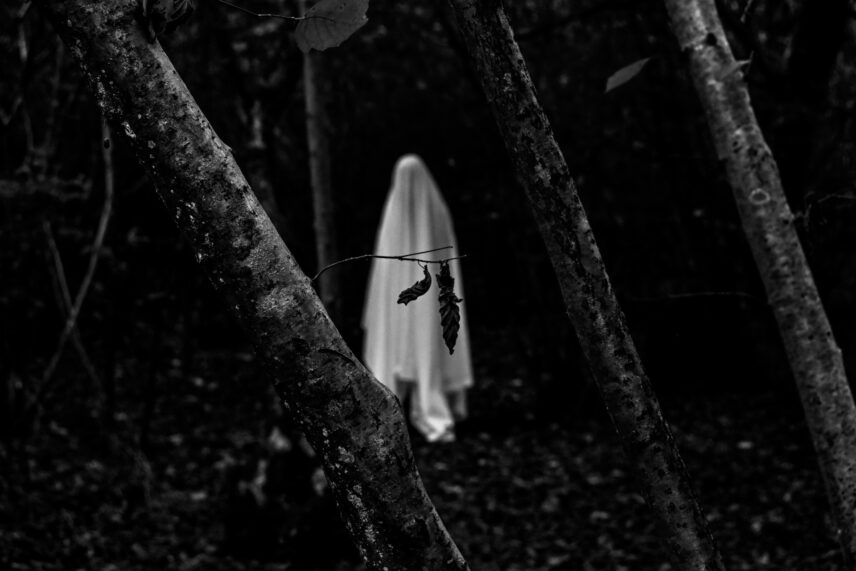
Your brain is an incredible pattern-recognition machine. It’s so good at finding patterns that it sometimes finds them where they don’t exist. This phenomenon is called pareidolia and it’s why you see faces in clouds, burnt toast and grainy photographs.
Research shows that people who believe in the paranormal are more prone to interpreting patterns in random stimuli as meaningful. If you already believe in ghosts, you’re more likely to see a shadowy figure in a dark hallway rather than just shadows.
Tell someone a location is haunted before they enter, and they’ll report significantly more strange experiences than if you said nothing. The power of context and suggestions shapes what we perceive more than most of us realize.
This doesn’t mean people are making things up. Their experiences feel completely real because to their brain, they are real. Expectation and suggestion can genuinely alter perception in profound ways.
How Stress Can Summon a Specter
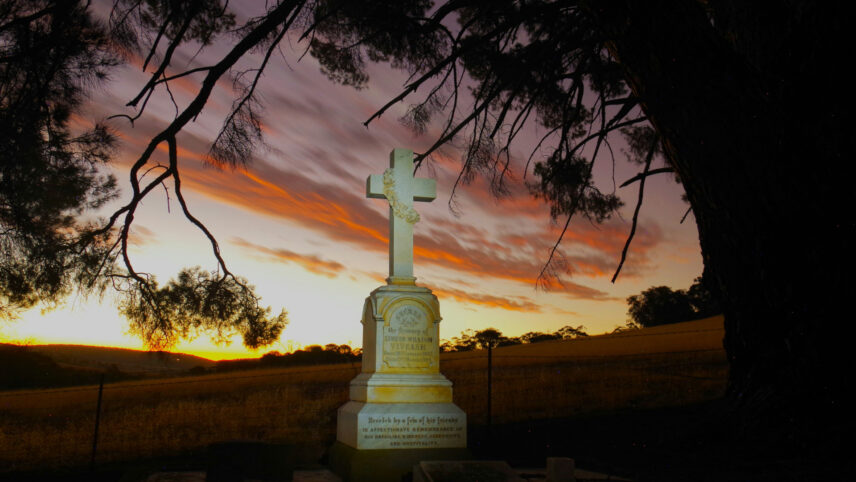
Grief-related hallucinations are surprisingly common. People who have lost loved ones often report seeing ghosts of the deceased or feeling their presence. These “continuing bonds” experiences can be psychologically beneficial and help process loss.
Physical stress can do it too. Mountain climbers at high altitudes frequently report seeing ghost-like figures. Research shows that psychological stress and hypoxia can induce hallucinations that feel completely real. Your oxygen-deprived brain fills in gaps.
None of this makes the experiences less valid. But it suggests many paranormal encounters might originate inside our heads rather than outside them.
But What About the Really Weird Stuff?
Here’s where things get genuinely interesting. While science does an excellent job explaining many paranormal experiences, some phenomena are harder to wave away.
When Multiple People See the Exact Same Thing
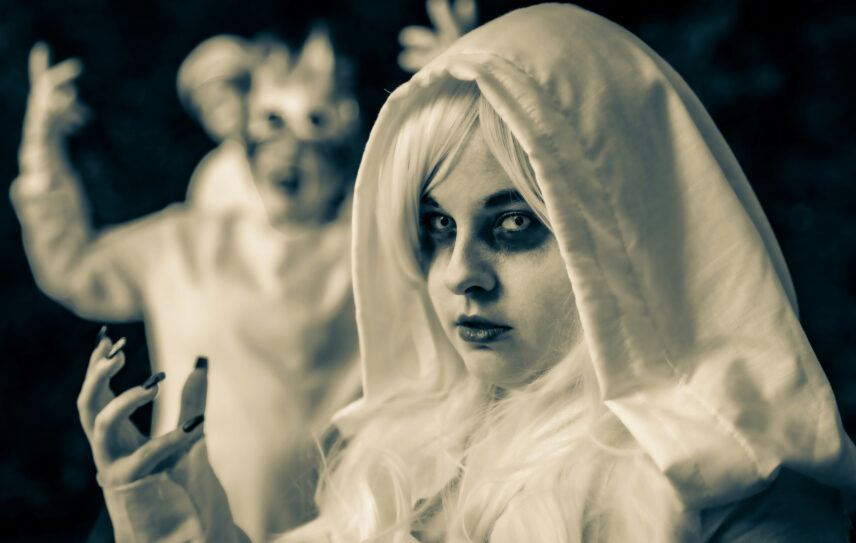
There are two flavors of this phenomenon. The first is when different people see the same ghost at different times. This is common in historic locations. The Grey Ladies that haunt various British castles or Anne Boleyn sightings at the Tower of London fall into this category. Skeptics can reasonably argue this is due to suggestion and prior knowledge.
The second type is far rarer and more difficult to explain. Multiple people witness the same apparition simultaneously with no prior knowledge or expectation. The White House has a long history where multiple presidents and their family members reported seeing the same spirits at the same time. When several people with no reason to fabricate all describe the same simultaneous experience, the “it’s all in your head” explanation starts to feel insufficient.
Recordings From the Past or the Stone Tape Theory

The basic idea here is that events can somehow be “recorded” into the environment and replayed later like a tape loop.
The theory gets its strength from a common pattern. Many reported apparitions do the exact same thing every time they’re seen. A ghost walks the same hallway, sits in the same chair or performs the same action repeatedly. This repetitive behavior suggests a recording rather than an intelligent entity.
In famous haunted locations, you could chalk this up to expectation. If everyone knows the Blue Lady walks down the east corridor, people might convince themselves that’s what they’re seeing.
But this pattern appears in hundreds of barely known cases, too. Small homes, random buildings and obscure locations where there’s no tourist industry. When multiple witnesses over decades describe the exact same repetitive behavior with no apparent communication between them, it raises questions that don’t have easy answers.
Recognizable Spirits and Haunting Photos
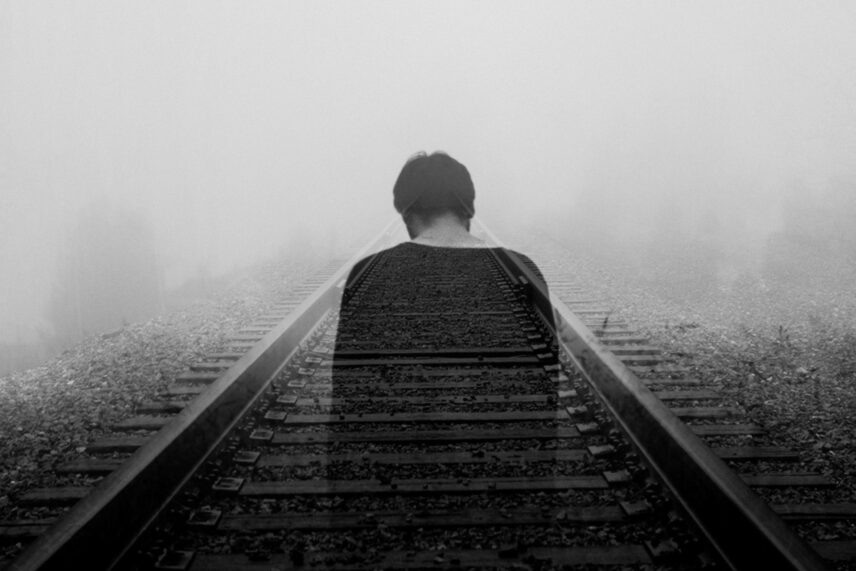
Some ghost sightings involve apparitions identified as specific historical individuals or people known to the witnesses. These cases add a layer of verifiable detail. Some famous identifiable ghost pictures have become legendary, and while many can be explained by camera tricks or pareidolia, a handful remain genuinely puzzling.
The connection between tragedy and hauntings is a recurring theme. Places where intense trauma occurred seem to generate more paranormal activity reports. Whether tragedy actually creates ghosts or these locations carry a psychological weight that primes people to have experiences is the million-dollar question.
It’s worth noting that plenty of strange historical mysteries remain unsolved, and hauntings often attach themselves to these unresolved events. The human brain craves closure and ghost stories sometimes fill that void.
Crisis Apparitions and Deathbed Visits
This might be the most unsettling category of all. Crisis apparitions occur when someone sees a loved one at the exact moment that person dies, often with no prior knowledge they were in danger.
These experiences are more common than you might think and difficult to explain through conventional psychology. Some researchers suggest these might be a form of telepathy rather than actual ghost sightings. If true, that’s a very different, albeit equally fascinating, rabbit hole. The idea that human consciousness might transmit information across distances at the moment of death raises questions science hasn’t fully explored.
Whether you call it a ghost, a telepathic projection or something else entirely, crisis apparitions remain compelling anecdotal evidence that something beyond our current understanding might be happening.
So What’s the Official Verdict?

After looking at both sides, what’s the answer? Are ghosts real or aren’t they?
The honest answer is we don’t know. Science can explain many paranormal experiences through psychology, environmental factors and the quirks of human perception. Infrasound, pareidolia, suggestion and stress-induced hallucinations account for many ghost sightings. But “many” isn’t “all.”
There are cases that don’t fit neatly into scientific boxes. That doesn’t automatically mean ghosts are real, but it means we should be intellectually honest about the limits of our knowledge.
And honestly? That’s kind of great. The mystery keeps things interesting. If you’re feeling inspired by all this paranormal investigation talk, you could turn it into a side hustle as a ghost tour guide. At least you’d get paid to explore the unknown.
Living Your Best and Possibly Haunted Life
Here’s the takeaway. It’s fun to be curious, it’s smart to be skeptical and it’s okay to admit we don’t have all the answers. The question of whether ghosts are real sits at a fascinating intersection of science, psychology and the limits of human understanding.
You don’t have to pick a side. You can be open-minded without being gullible. Whether ghosts turn out to be real, psychological phenomena or something we haven’t even conceived of yet, the exploration itself is worthwhile.