As an Amazon Associate, Modded gets commissions for purchases made through links in this post.
Since the first “Terminator” movie graced the silver screen, people have been obsessed with the concept of robotics and how these could improve life or herald the end. You’ve likely heard of exoskeletons helping people with paralysis walk again or robotic limbs assisting amputees to lead normal lives. Perhaps you’ve even seen a construction worker with a strange suit that allows them to lift heavier-than-usual equipment. Thankfully, the wearable robot future is here, even if Skynet isn’t.
The next wave of wearable robotics isn’t about transforming you into the next Terminator or Borg creature — it’s about blending seamlessly with your body’s systems to upgrade what you can already do. From bionic limbs to third arms, these robots are more intelligent, softer and intuitive. Think less mech suit and more muscle enhancer. And the best part? You don’t have to be Tony Stark to get in on it.
What Is a Wearable Robot?
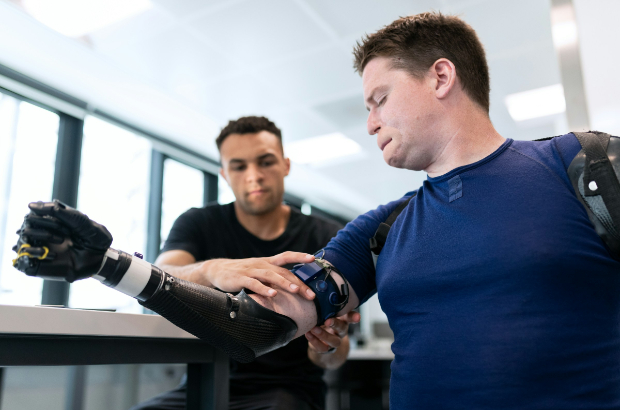
A wearable robot is a device you strap on or an implant that interacts directly with your body to assist, restore or enhance movement and sensation. Some replace lost function, like powered prosthetic legs. Others amplify what’s already there, like a wearable robot for walking that reduces strain on your knees during a hike.
Unlike robotaxis, which leave you at the mercy of the AI operating system, these suits let you work in tandem with machine technology. You’ll see them as full-body exoskeletons, soft robotic gloves, robotic boots or even add-on arms. But what really sets wearable robots apart from your average gym gear is how they respond to your body in real time.
Types of Wearable Robots and Their Functions
With so many approaches to wearable tech and the possibilities of AI integration, different types of strap-on, connect-to and hook-up robotic amendments are emerging as the brainchildren of scientists worldwide. Where a fitness tracker can measure your steps, with over a billion people using this technology already, wearable robotic suits can help you take those steps.
Exoskeletons
These rigid or semi-rigid suits align with your joints to assist or enhance movement. They feature in everything from stroke recovery to military and construction load carrying. The benefit of these suits is that they reduce strain on vital human parts like your spine, hips and joints. These suits also reduce fatigue in a physically demanding environment, helping workers stay safer while lifting heavy loads.
Soft Exosuits and Wearable Soft Robotics
Less Iron Man, more Spider-Man. These lightweight designs use pneumatics, cables or soft actuators to support movement without bulky frames. They’re flexible, low-profile and easier to integrate into daily life. Many of these are specifically aimed at supporting human function, such as helping the elderly or compromised individuals walk by assisting their limb movement.
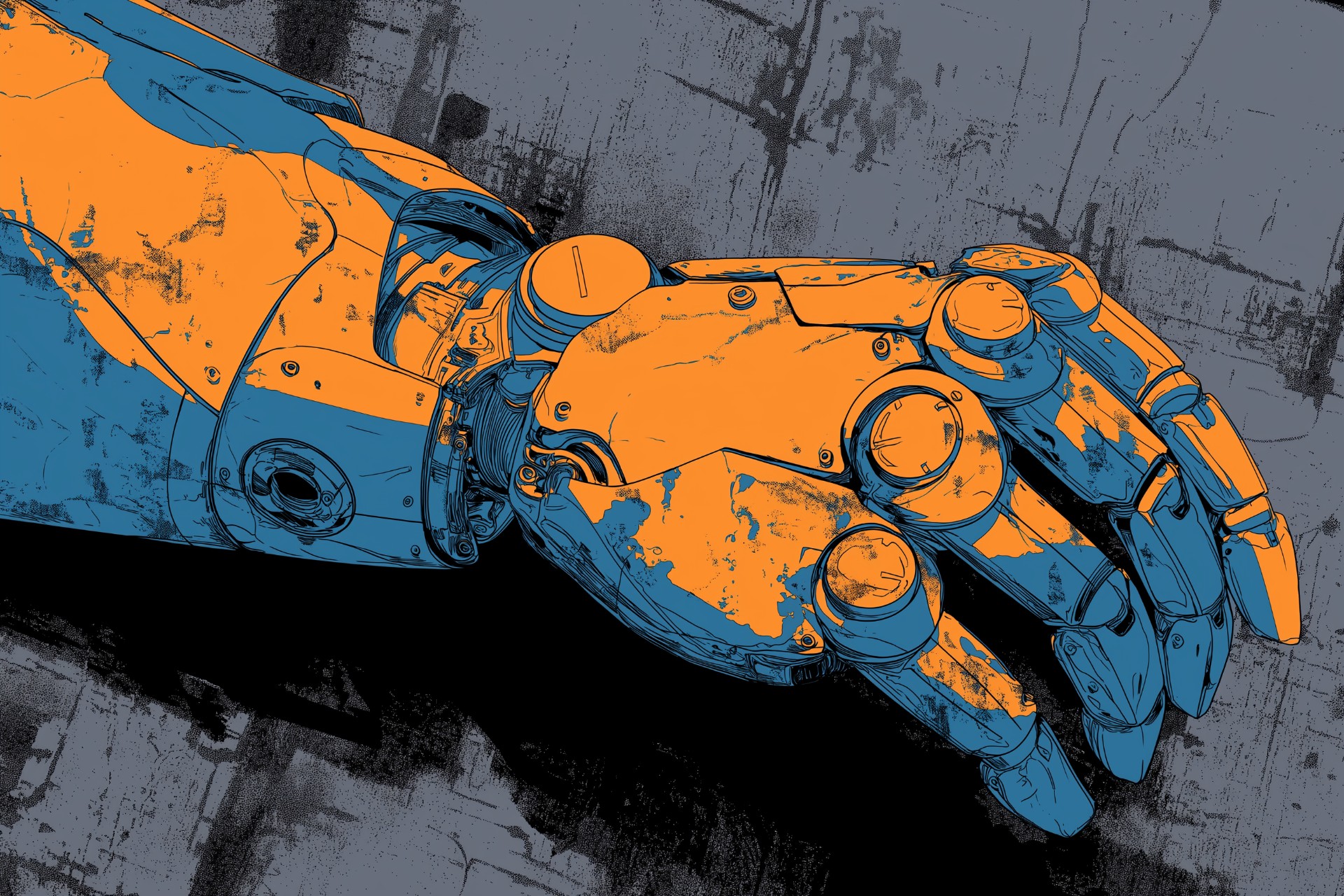
Bionic Limbs and Robotic Prostheses
These directly replace lost limbs or functions, like a robotic hand that responds to nerve signals or a leg that can climb stairs as if it’s taken the place of your lost body part. It’s an ideal alternative when your body’s ability to heal is compromised and options like stem cell therapy don’t work.
Supernumerary Limbs
These robotic “extra arms” assist in industrial or high-precision tasks, giving you that third-arm advantage. While these are still in testing, they are not far off on the horizon.

Benefits of Wearable Robotics
Why would you want to add robot elements to your body — unless you have Robocop fantasies? The benefits of these assistive, augmentative and replacement units are incredible.
- You move better: Whether recovering from an injury or just wanting to lift more with less effort, wearable robots can help you walk farther, lift heavier and stay mobile longer.
- You feel more like yourself: New designs for prosthesis users focus on embodiment, making the robot feel like a part of your body, not a tool you control.
- You stay in control: With human-in-the-loop systems, wearable robotic suits respond to your feedback and preferences. They learn how you walk, how you adjust and what feels comfortable.
- You get more innovative tech, not more tech: Modern systems integrate with your body using neuromuscular interfaces, flexible electronics and brain chips. The robot doesn’t just react — it understands.
What About Robotic Prostheses?
Prostheses have evolved far beyond hooks and hinges. Today’s bionic limbs can detect muscle signals, brain activity and even send touch feedback through the skin or nerves. Some respond to your thoughts with brain chip technology. Others adjust automatically when they sense terrain changes.
And here’s the kicker — the best systems don’t just function—they feel like they’re “you.” That sense of ownership is called embodiment, and it’s where wearable robotics is headed fast.

Dangers of Wearable Robots
It isn’t all sci-fi sparkle. There are real concerns. While the tech is exciting, the stakes are high. Safety, comfort and trust are at the core of good design, but there are still concerns about the following:
- Overreliance: Some fear people might lose natural strength or coordination if they rely too heavily on robotic support.
- Fit and comfort: Poorly fitted devices can cause skin damage or muscle fatigue.
- Lag and error: If a robot misunderstands your intent, it could overcorrect, delay movement — or worse, cause injury.
- Privacy and data: Advanced wearables track your biological signals. Who owns that data, and will you know what happens to your information — with AI companies selling datasets without consent?
Exoskeletons vs. Wearable Robotics
Exoskeletons are the most visible category. They are built from rigid materials or soft engineered fabrics and worn like assistive suits. Exoskeletons excel in heavy-duty tasks, such as lifting, walking and injury recovery. These suits can assist any industry, including nursing, where back strain is a leading cause of injuries among practitioners.
But wearable robotics also includes soft wearables, prosthetic devices, third arms and even neural sensors. These systems can be flexible, miniaturized and designed for subtle everyday enhancements — not just brute support.
Robots Among Us and Ordering Online
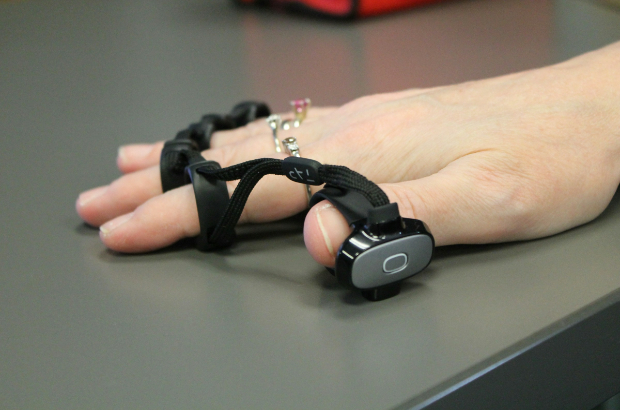
Wearable robots used to be lab-bound or military-grade. Now? You can essentially order exosuits and robotic braces online, though you may need training in using some.
Expect even more accessible options as wearable robot manufacturing matures. Prices will drop, features will scale and your next gym buddy might run on battery.
Some notable options:
- Ekso Bionics: For spinal cord injury patients, it offers restored mobility and is now covered by some medical insurance. Commercial options include AI features to improve movement and balance while walking.
- HeroWear Apex: A lightweight back-assist exosuit used in industries where heavy lifting often causes back injuries. Early tests of similar devices in the U.S. Army have shown a 34-89% reduction in back fatigue and injury, showing the benefits of these augmentive and protective devices. Commercial options include heavy-lift elasticated suits, which balance upper and lower body for supported movement.
- Carbonhand: A soft robotic glove for grip support to those with impaired finger dexterity and strength.
- DIY kits and 3D printed parts: These are available for hobbyists and biohackers. They include floating “chair” designs for those who spend hours on their feet, which let them instantly sit on air with a hardened suit.
Powered vs. Non-Powered Assistive Suits
Not all wearable robots need juice. The more intelligent designs and the ones with brute force require a battery as they may have AI operation systems.
Powered suits use batteries, motors or pneumatics. They can lift your legs, move your arms or simulate muscle contractions. They’re great for people with significant mobility loss or heavy-duty applications.
Non-powered suits use springs, elastics or clever mechanics to redistribute effort. These are lighter, cheaper and great for fatigue reduction — but they can’t “do the work for you.”
Think of powered as assistive muscle, and non-powered as energy-saving gear.

FAQ
Do Wearable Robots Make You Stronger?
Yes, but only when worn. Powered systems can help you lift more, walk farther or reduce strain. You won’t become superhuman, but you’ll feel a definite boost.
Can They Be Used for Gaming or VR?
Absolutely. Haptic gloves, exosuits and feedback systems are already enhancing immersive gaming, and full-body systems are expected to become more common.
What’s the Future of Wearable Robotics?
Smaller, softer, smarter. Expect flexible electronics, multi-modal sensors and neuromorphic chips to make robotic suits more humanlike in motion and intention.
Is Insurance Covering This Yet?
Sometimes, especially for medical-grade prostheses and movement restorative units. But access remains a major challenge. Lower-cost devices and broader coverage are needed.
How Long Before I Can Get a Third Arm?
You technically can now. Researchers have developed supernumerary robotic limbs that assist with tasks. They’re rare and pricey, but real.
Where This Is All Headed
The next generation of wearable robotics won’t just move with you — they’ll think with you. With multi-modal fusion, robots can blend brain signals, muscle movement and even eye tracking to understand what you want before you move.
Human-in-the-loop control lets the robotic system learn what feels good and what doesn’t, optimizing support based on your reactions. And biomechatronic chips will process all of that in real time, on the body, without bulky gear or lag.
Whether you’re looking to walk again, work longer, lift better or just live smarter — your next upgrade might just come with a charging cable.