As an Amazon Associate, Modded gets commissions for purchases made through links in this post.
Cinema has a storied history, beginning with basic optical toys and evolving into a multi-billion-dollar global industry. What are some of cinema’s key milestones and significant advancements? Which influential figures have shaped and reflected our culture with their achievements through the years? Whether you’re a casual movie viewer or a devoted cinephile, this exploration will deepen your appreciation for how films have become an integral part of our lives.
1. The First Moving Pictures (1890s — 1910s)
Before the advent of cinema, optical toys like the zoetrope and phenakistoscope captivated audiences with their ability to create an illusion of motion. Eadweard Muybridge’s groundbreaking work in the 1870s, especially his sequential photographs of a galloping horse, laid the groundwork for future motion pictures. Muybridge’s lead prompted Thomas Edison to invent the Kinetoscope — a personal viewing device where you could watch short films in private.
Two decades after Muybridge’s creation, the Lumière brothers revolutionized the medium with the Cinématographe, which introduced public cinematic screenings. This innovation transformed cinema into a communal experience, captivating large audiences for the first time. Other early film pioneers, such as Georges Méliès, further enhanced the art form by incorporating visual storytelling and fantasy elements into their creations. Méliès’ creative use of special effects in his films, like 1902’s “A Trip to the Moon,” paved the way for more imaginative filmmaking, pushing the boundaries to leave a lasting impact on the industry.

2. The Rise of the Silent Film (1910s — 1920s)
The evolution of cinema from brief novelty films to feature-length narratives marked a significant transformation in storytelling. Filmmakers began exploring complex plots, with directors like D.W. Griffith pioneering film grammar — introducing techniques such as innovative camera angles and editing to enhance narrative clarity and emotional depth. Griffiths’ landmark 1915 Civil War film, “The Birth of a Nation,” showcased these advancements to entrench the critical role of the director in cinema.
During this era, the first global superstars emerged, with Charlie Chaplin and Buster Keaton leading the way. Their mastery of physical comedy connected them with audiences across languages, emphasizing the universal appeal of visual storytelling. Chaplin’s iconic “Tramp” character and Keaton’s deadpan humor captivated viewers, immortalizing the two stars in cinematic history. Through their performances, silent films cultivated deeper emotional connections, laying the groundwork for the future of filmmaking and entertainment.
3. The Sound and Color Revolution (Late 1920s — 1930s)
The release of “The Jazz Singer” in 1927 marked a monumental shift in cinema, as synchronized sound made its debut for the first time, revolutionizing the film industry. This innovation transformed acting styles, as performers could now use voice and dialogue, altering the entire nuance of their craft. Sadly, some silent film stars struggled to adapt and fell away, leaving behind a legacy in an evolving medium.
In addition to sound, the advent of Technicolor introduced vibrant visual elements to films, enhancing storytelling with rich, vibrant colors. This introduction played a pivotal role in shaping the “Golden Age of Hollywood,” during which filmmakers captivated their audiences with visually stunning narratives. You’ll recognize classic films like “The Wizard of Oz” and “Gone with the Wind,” which showcased this brilliance and cemented Technicolor as a new standard for visual artistry in the film industry.
4. Hollywood’s Golden Age and Its Challengers (1930s — 1960s)
Hollywood’s Golden Age began with robust studio systems dominating the cinema, with major studios controlling every aspect of filmmaking, from casting to marketing. The era gave rise to some major Hollywood stars, including the iconic pair of Humphrey Bogart and Katharine Hepburn, as cinematic genres dominated the box office. Meanwhile, musicals, westerns and romantic comedies began captivating audiences.
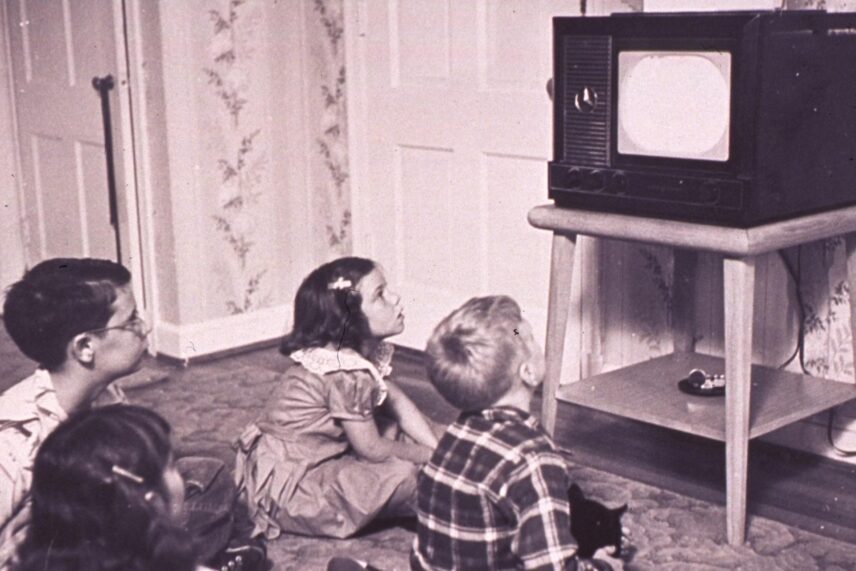
The emergence of television in the 1950s posed a significant challenge to cinema’s status quo, prompting the medium to become more innovative to stand apart. Filmmakers began to explore grittier and more complex genres, such as film noir and the modern war film. The latter evolved from patriotic propaganda to more subtle, critical portrayals of human conflict, highlighting moral ambiguity and personal sacrifice. Titles like “The Great Escape” and “The Dirty Dozen” from the 1960s inspired some of the most iconic movies of later decades.
5. New Waves and the Rise of the Director (1960s — 1970s)
The French New Wave revolutionized cinema in the early 1960s, introducing the “auteur theory” concept, which positions the director as the film’s primary author. This movement emphasized personal storytelling and innovative techniques, clearing a path for a brand-new generation of American filmmakers during the 1970s “New Hollywood” era. Directors like Martin Scorsese, Francis Ford Coppola and Steven Spielberg embraced this philosophy, crafting critically acclaimed films exploring complex themes and character studies.
This era produced some of the most thematically rich works in American cinema history, including “Taxi Driver” and “The Godfather.” However, it also invited experimentation with genre norms, resulting in the introduction of the slasher horror genre with films that sometimes strayed into unintentional humor. This juxtaposition led to some misguided directorial vision, resulting in both cult classics and comically bad films within the horror genre.
6. The Blockbuster, CGI and the Digital Age (Late 1970s — 1990s)
The late 1970s heralded the birth of the modern blockbuster, with films like “Jaws” and “Star Wars” pioneering high-concept storytelling, groundbreaking special effects and massive marketing campaigns. The investment was worthwhile, as the movies captivated audiences and transformed Hollywood’s approach to production and distribution. The 1990s further revolutionized visual storytelling as CGI became popular.
Showcased in landmark films like “Jurassic Park” and “Toy Story,” these cinematic advancements enabled filmmakers to create increasingly immersive worlds and lifelike characters, setting new standards for visual effects. As contemporary cinema’s influence spread, it began permeating other media, particularly video games. Films’ intellectual properties became a goldmine for game developers, with many titles based on popular movies achieving classic status.

7. Cinema in the 21st Century (2000 onward)
The 21st century has witnessed a remarkable shift from physical media, such as DVDs, to digital streaming platforms like Netflix and Hulu, which have fundamentally altered viewing habits. Audiences can now enjoy on-demand access to a vast library of films and series, enabling binge-watching and personalized viewing experiences.
Technology has also democratized filmmaking, empowering independent creators to produce high-quality films with accessible tools and platforms. The result is a rich diversity of voices and stories available in cinema. Looking ahead, franchises and major cinematic events appear to be the future of cinema, ensuring a continued appetite for epic storytelling. Upcoming films promise to capture audience attention, with 2026 already offering several exciting releases for moviegoers.
The Transformative Power of Film
The incredible journey of cinema, growing from a simple novelty to a global cultural force, highlights the medium’s transformative power. Every film you enjoy today has a foundation of over a century of innovation, creativity and storytelling. As you explore the rich tapestry of different eras and genres, your appreciation for “the movies” can only grow. From silent films to modern blockbusters, each era offers distinctive insights and experiences, revealing the fascinating evolution of this beloved medium.