As an Amazon Associate, Modded gets commissions for purchases made through links in this post.
So you’ve noticed that the toilet water is draining slower than usual. Or maybe your toilet is completely clogged and you need to unclog it ASAP. You never expected this to happen, so a plunger was the last thing you thought of buying. What now? You’ll be glad to know that removing that blockage is still possible. Here’s how to unclog a toilet without a plunger.
7 Ways to Unclog a Toilet Without a Plunger
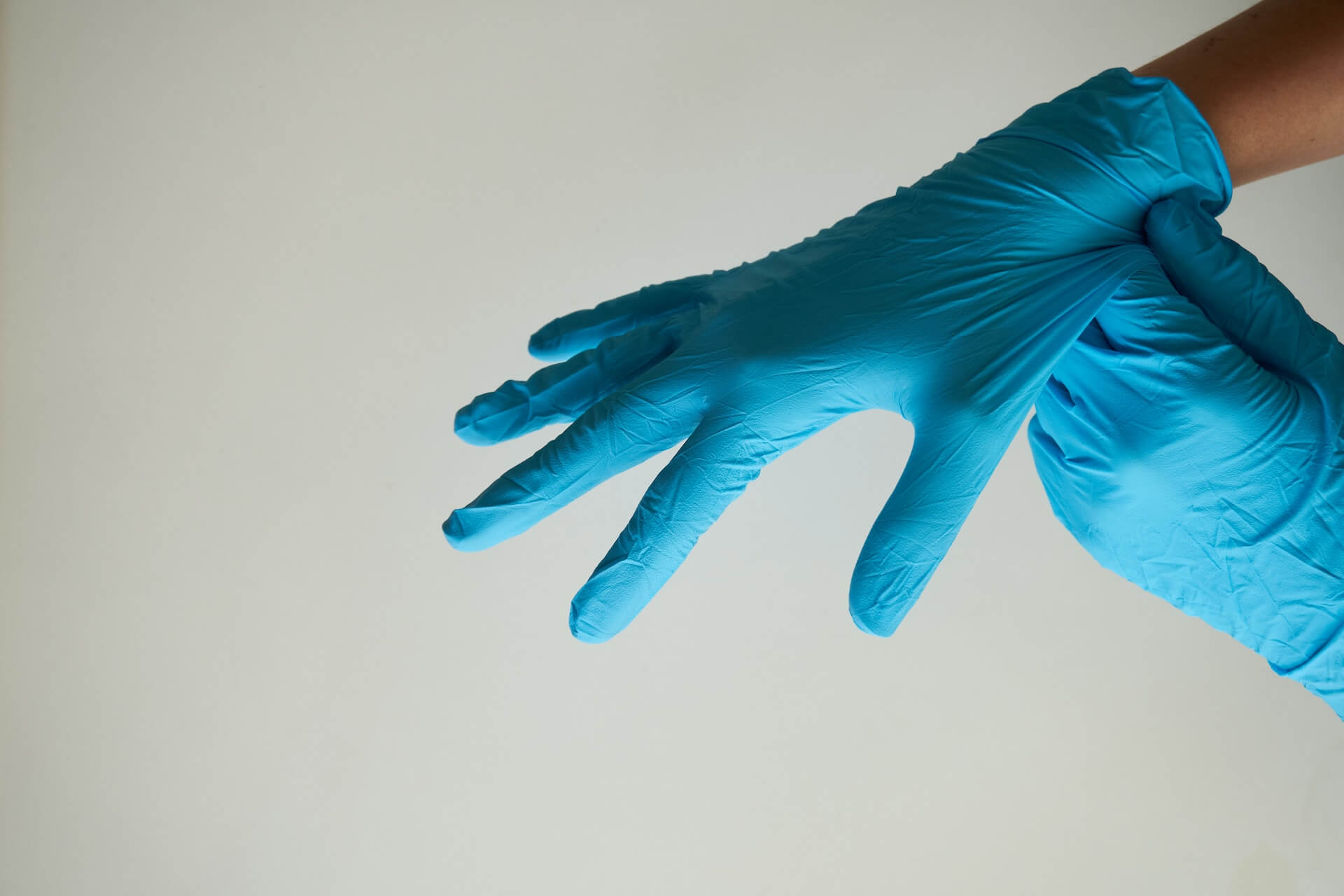
Unclogging a toilet is one of the common home repairs you should know, right up the alley with knowing how to fix a running toilet and shut off your water. Before trying any of these methods, drain excess water with a cup and some gloves into a bucket or nearby sink. Although it may seem wise, you want to use natural cleaning products rather than bleaching agents or drain cleaners to fix the mess.
You’ll need a few items to try these different methods. The most essential items include:
- Gloves
- One or two five-gallon buckets
- Dish soap
- Baking soda, vinegar and Epsom salts
- A toilet brush
- Wire Hanger
- Wet/dry vacuum (optional)
- Mop
- Disinfectant wipes
1. Salt Method
Pour half a cup of Epsom salt and a half cup of baking soda into the toilet bowl. After this, pour about six cups of hot (not boiling) water over the salt mixture. Stir the mixture and let it bubble. Let the salt mixture sit overnight. When you wake up, pour another cup of hot water into the toilet bowl and flush. If you have a clog from solids, it’s wise to try other methods.
2. Dish Soap Technique
One of the easiest ways to unclog a toilet without a plunger is to use dish soap to loosen up and dissolve any solids causing the block. This method works for a slow draining toilet. Pour dish soap – up to half a bottle in the toilet bowl. Add hot water and allow the soap to soak for about half an hour. After half an hour, try and flush to see if the water drains faster.
3. Vinegar and Baking Soda
This is another effective way to dissolve any solids clogging up the toilet. If dish soap seems ineffective, this is your next best bet. Make sure you have removed most of the water from the toilet bowl. Pour a cup of baking soda into the bowl then distilled white vinegar over it until you see it fizz up. Wait for the mixture to stop fizzing and check the water level in a few hours.
4. Drain Snake
Some clogs may need some help breaking into small pieces to make it easier to go down the drain. You can create your own drain snake for this using a hanger. Bend a wire hanger until it’s straight and use the end to clear the clog in your toilet drain.
5. Toilet Brush
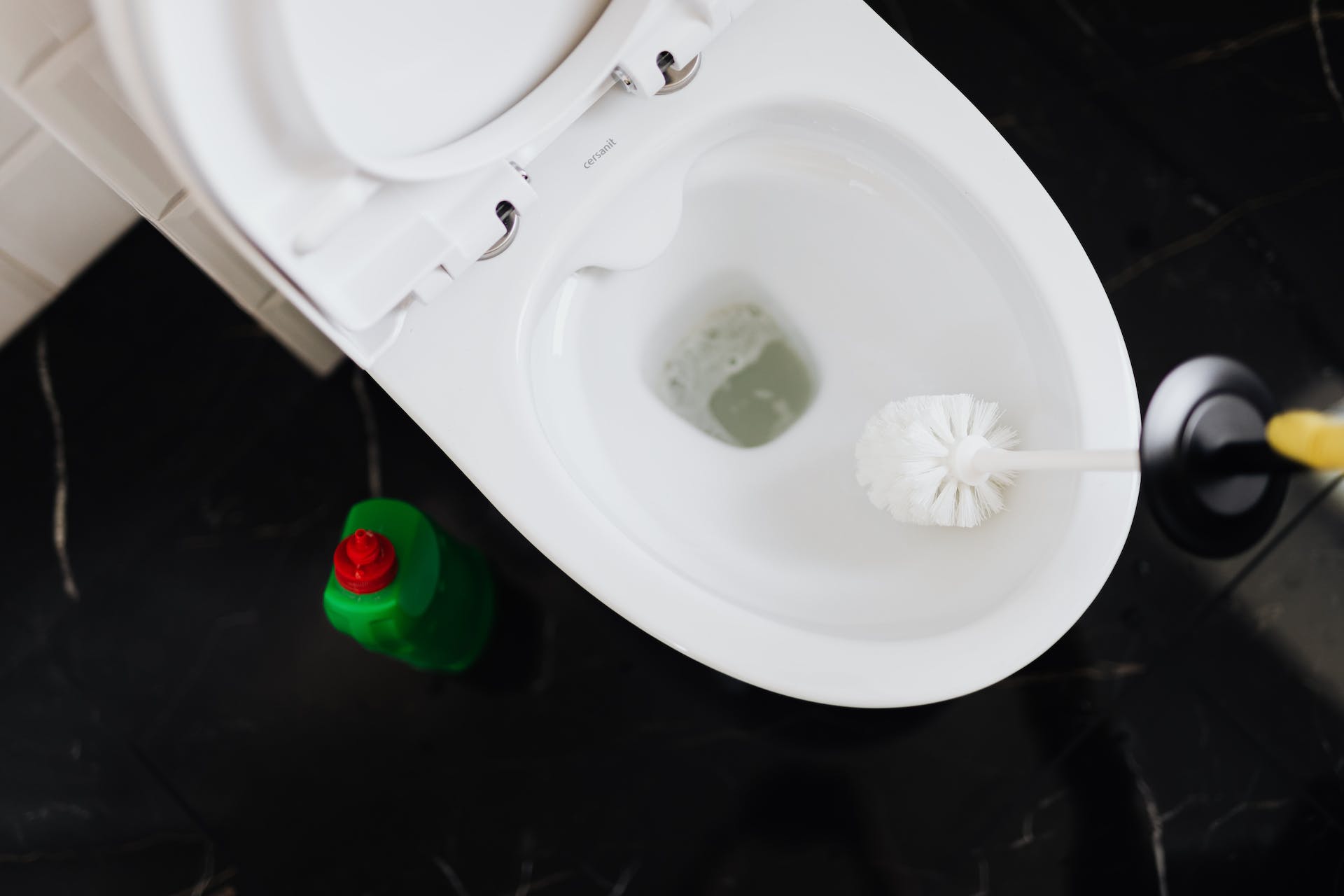
This works if you can see the cause of the clog at the bottom of the toilet especially bowl drain. Wrap the bristled end of the brush in a plastic bag and secure with an elastic band. Insert the brush into the toilet and try up and down wiggling motions to loosen up the clog.
6. Bottle Plunger
You can create a makeshift plunger with a 2-litre bottle and hot water. This requires you to get up close and personal, so you may need protective goggles and a mask to prevent contact with bacteria. Once you have removed water from the toilet bowl, fill the bottle with hot water from the faucet.
Put your thumb on the mouth of the bottle and lower it into the toilet bowl until you reach the bottom. Remove your thumb, slide the bottle in, and squeeze with both hands to force the hot water down the drain. The pressure might help dislodge the clog and get your drain clear again.
7. Vacuum
Have a wet and dry vacuum but no plunger? You’re in luck. Use the vacuum to drain excess water with the wet setting, then place the nozzle over the drain to create a seal that will suck the clog up. It should be enough suction power to release the clog.
How to Identify a Clog Before it Becomes a Problem
If your toilet is not already clogged, there are several ways to tell that you may have an approaching problem. Often, a visible clog occurs due to debris build-up or problems in your drains or vents. If you struggle to unclog, it may mean you have to call a professional to deal with the problem from the root.
Here are some ways you can identify a potential toilet block:
- Slow draining or water levels rising above normal levels.
- Gurgling sounds when you flush or open a faucet.
- Weird smells from the toilet bowl even after you clean it.
- Water coming back up shower and sink drains.
- When the water in the toilet bowl does not drain at all.
- The bowl is empty after a flush.
- An overflowing gully trap. You can check this outside your home near an outside faucet.
How to Prevent Future Clogs
As much as knowing how to unclog a toilet without a plunger may save you in this situation, the best solution is prevention. There are several reasons why your toilet may end up with repeated clogs and blocks, which calls for changed habits.
Gather your family or roommates around and agree that you will only flush toilet paper down the toilet. Anything else should be thrown in the trash.
Here are some of the biggest culprits you should avoid:
Flushing Unflushables Down the Drain
You know the ‘flushable’ wipe brands that have popped up in recent decades. It’s a wise idea to take the concept with a grain of salt and rather throw them away in the trash. Avoid flushing other items like cotton swabs and balls, facial tissue, paper towels, feminine products and floss.
Another big culprit is hair. One strand of hair won’t do much, but multiple strands will stick to popes and create build-up, affecting your draining system. Prevent hair clumps by installing drain covers and throwing away hair instead of flushing it.
Using Too Much Toilet Paper
Toilet paper is designed to flush easily, but using too much can clog up your toilet.
You can solve this in a few ways. Reduce the amount of toilet paper you use, avoid making wads of toilet paper or switch to 1 ply. If you have children, educate them about proper toilet paper use or make markings on the toilet paper to guide them. Better yet, install a bidet. You will reduce your toilet paper use from an average of 24 rolls a year to almost nothing. Plus, you contribute to environmental sustainability.
This Will Be the Last Clog, Hopefully
If you prevent clogging by ensuring you only flush what’s necessary, you should experience fewer clogs and prevent a messy situation again. If none of these methods work – call a plumber, you would much rather pay for a professional service than damage your drain pipes.