As an Amazon Associate, Modded gets commissions for purchases made through links in this post.
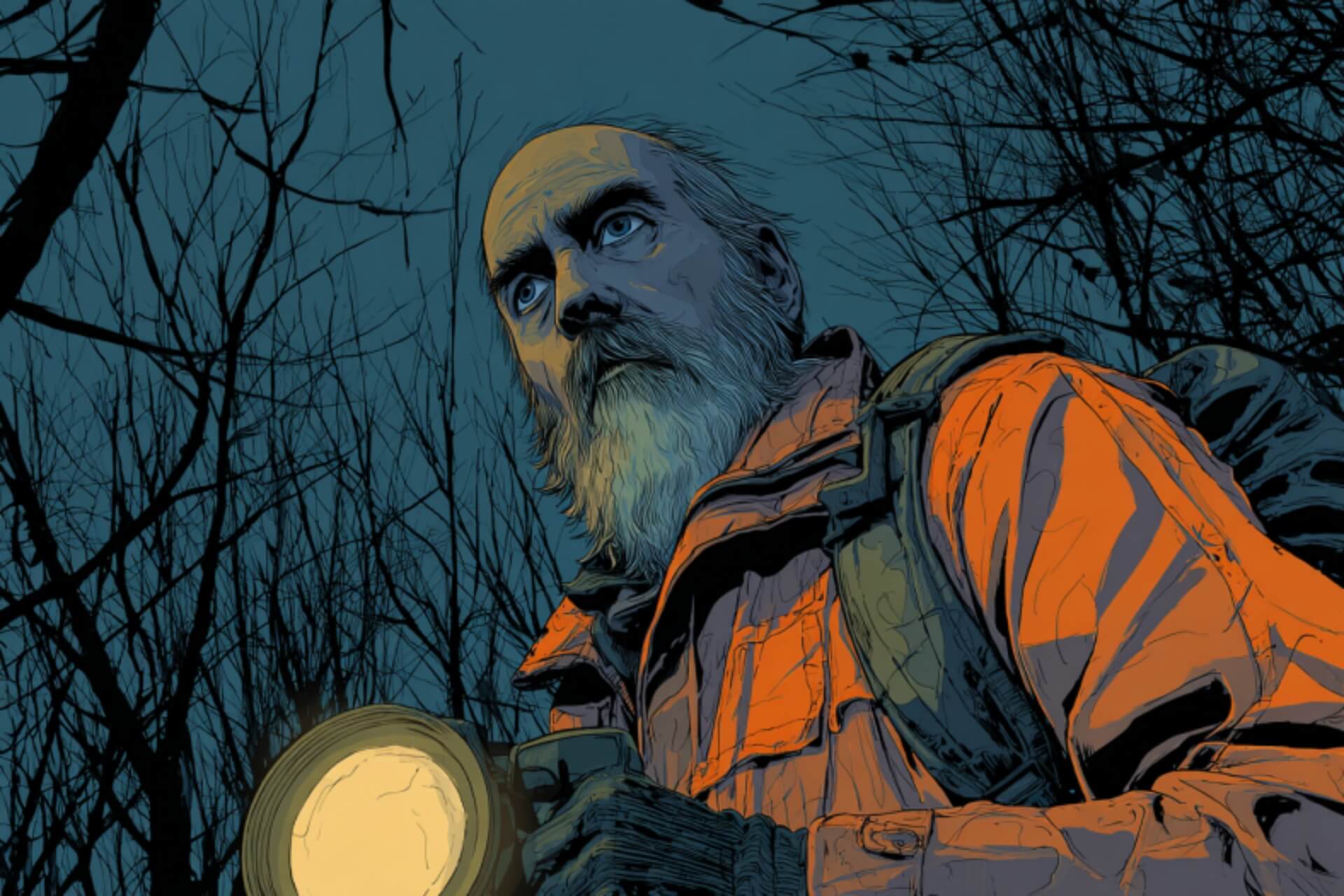
Navigating low light is crucial for hunters, whether on trail at dusk or in the woods before dawn. A flashlight isn’t just an accessory. It’s an essential tool that enables safe identification, control and confident decision-making when it matters most.
This guide breaks down the essential types of flashlights for hunters and gun enthusiasts, as well as how to assemble a setup that suits your specific needs.
What Matters Most in a Tactical Light
Safety should be the top priority when choosing a tactical flashlight. A reliable flashlight is an essential part of any survival or hunting kit, just like a first-aid kit and GPS device with long battery life — some last up to 650 hours — so it’s important to select the right one.
So, how do you choose the correct flashlight? Lumen count is often the first figure you encounter. In most situations, you need at least 200 lumens for good outdoor visibility at night. But brightness alone only tells part of the story. Lumens measure total light output — and while high lumens are suitable for illuminating large areas, they don’t necessarily determine how far or how effectively a light reaches.
That’s where candela comes in. Candela measures beam intensity and throw. For hunters scanning treelines or tracking game at dusk, candela is often more important than lumens. A moderate-lumen, high-candela light can reach hundreds of yards, while a high-lumen floodlight may only illuminate close range.
Beam pattern is another important consideration. A focused hot spot is best for long-range identification, while the softer spill light around it enhances peripheral visibility and safety in the woods. The best tactical lights for hunting strike a balance, delivering long-range reach without sacrificing situational awareness.
Durability is another crucial element of a flashlight. Hunting environments are unforgiving, so it’s important that your equipment can survive the elements. This is where the IPX rating of a flashlight is critical. An IPX7-rated flashlight can survive heavy rain or brief submersion, whereas those rated IPX8 are often waterproof up to 2 meters of submersion and can float – making them perfect for the harshest environments.
Battery type is another key factor. Flashlights with rechargeable 18650 batteries offer efficiency, strong output, and long runtimes — ideal if you can recharge between trips. CR123A batteries, with their excellent shelf life and cold-weather reliability, are well-suited for emergency use.
The 4 Essential Flashlight Types for Every Hunter
Each type of flashlight has its own unique purpose. And while one flashlight can cover a lot of ground, most experienced hunters rely on a small system of flashlights. Below are 4 essential types of flashlights every hunter or gun enthusiast should consider.
- Weapon-Mounted Lights
These are lights designed primarily for use with defensive firearms. Their core function is target identification, ensuring you’re certain what you’re aiming at. A good WML features a durable mounting system, typically compatible with Picatinny rails, and controls that can be activated without altering your grip on a gun.
- Tactical Handheld Flashlights
This versatile type of flashlight is a must-have for any hunting setup. They’re often used for navigation, inspection, tracking and general outdoor use. When hunting, they can be paired with a gun, allowing illumination without a permanent attachment. Features like tial-cop switches, rugged housing and balanced beam patterns make tactical handheld flashlights a reliable tool across many different situations.
- Headlamps
These types of flashlights are equally versatile. They offer hands-free and reliable lighting — great for setting up a stand, dressing a game, or navigating uneven terrain. Many modern headlamps also feature red-light modes, which preserve night vision and reduce visibility to animals, providing a significant advantage when hunting.
- Long-Range Spotlights
With extreme candela and large reflectors, long-range spotlights are designed for scanning wide and open areas – making them great for hunting game across long distances. However, they’re often bulkier and less practical for close-quarter tasks.
Choose the Right Light for Your Mission
Selecting the right flashlight starts with an assessment of how you use it. Hunting is a vast and diverse sport, with 16 million people in the U.S. holding a hunting license as of 2024. Therefore, selecting the right light for your unique mission is crucial.
A backcountry hunter navigating dense terrain may seek water resistance and hands-free illumination. Whereas range shooters and general outdoorsmen often benefit from a high-quality, multipurpose handheld flashlight.
Ergonomics matter too. Under stress or cold conditions, small design details become critical. The light should feel natural in your hand and operate without thought. The global market for flashlights was valued at $8.9 billion in 2024 — with so many choices, it’s essential to select the right equipment for you. Think in terms of systems rather than single solutions, a dependable handheld for everyday use, a dedicated firearm light and a headlamp for hands-free tasks.
Your Light is Your Lifeline
Understanding lumens, candela and flashlight types allows you to choose illumination with purpose. A reliable flashlight doesn’t just help you see — it helps you decide, react and stay safe in the field or at home.