As an Amazon Associate, Modded gets commissions for purchases made through links in this post.
Ice hockey is fast, physical and incredibly exciting to watch, but it can also be confusing if you don’t fully understand what’s happening on the ice. From sudden stoppages of play to nail-biting overtime finishes, the hockey rules and regulations are what keep the game fair, structured and safe.
The Basics of Ice Hockey Rules
More than half a million Americans play ice hockey. The National Hockey League is one of the most popular sports leagues to watch in the U.S. With its rising popularity, more and more viewers are becoming fans of the sport. However, it can be confusing at first watch.
At its core, ice hockey is played between two teams of six players each. Each type is made up of three forwards, two defensemen and one goaltender. The objective is to score more goals than your opponent by getting the puck completely across the goal line using a stick. Games are divided into three 20-minute periods, with short intermissions between each.
However, the simplicity ends there. The hockey rules and regulations cover everything from player substitutions to the conduct of faceoffs. Line changes can happen on the fly, meaning players can switch during live play as long as they don’t interfere. This constant motion is one of the reasons hockey feels so intense and nonstop.
What Is Icing?
Icing is one of the most commonly misunderstood rules in ice hockey. It occurs when a player shoots the puck from their own side of the center red line all the way past the opposing team’s goal line without it being touched. When this happens, play is stopped and the faceoff comes back into the offending team’s defensive zone.
The purpose of icing is strategic and practical. It prevents teams from simply dumping the puck down the ice to relieve pressure without making a real play. Under modern hockey rules and regulations, most professional leagues use hybrid icing, where officials determine icing based on which player would reach the puck first. This helps reduce collisions near the boards.
Offsides Explained Simply
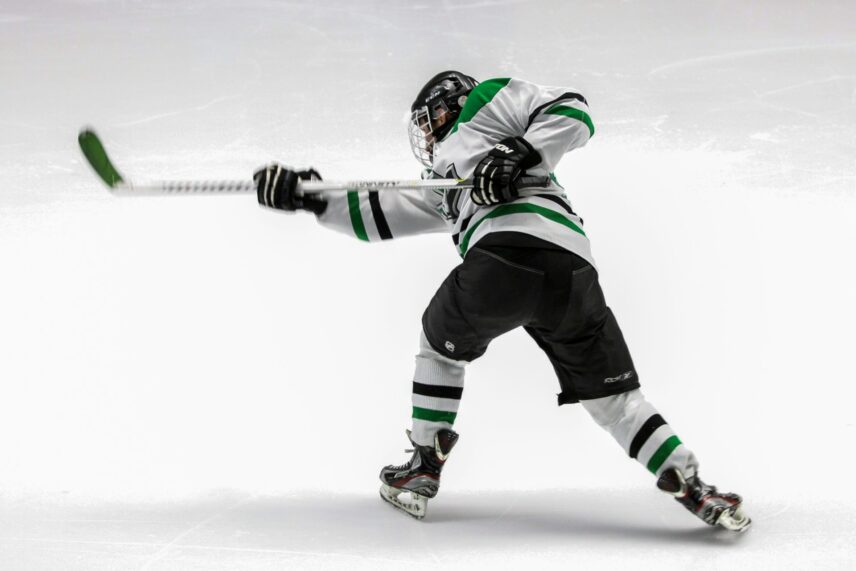
Offsides happen when an attacking player enters the offensive zone before the puck does. The blue line defines this boundary, and both skates must stay behind until the puck crosses fist. If a player jumps the line too early, the play is whistled dead and a faceoff follows outside the zone.
This rule encourages controlled entries and smart passing. It’s also a key part of maintaining the game’s structure. Like icing, offsides is a fundamental element that shapes how teams attack and defend.
Penalties and Power Plays
Penalties are called when a player breaks the rules, such as tripping, hooking, slashing or high-sticking. Most minor penalties result in two minutes in the penalty box, forcing the player’s team to skate short-handed. The opposing team then gets a power play, which is often a prime scoring opportunity.
More serious infractions can lead to major penalties or misconduct. These moments can completely change the momentum of a game.
Overtime and Shootouts
When a game is tied at the end of regulation, overtime rules apply. In the regular season, most leagues use a five-minute sudden-death overtime with fewer players on the ice — usually three-on-three.
If no one scores in overtime, the game may be decided by a shootout. Each team selects shooters to go one-on-one against the goalie. However, in playoff hockey, shootouts aren’t used. Instead, teams play full-length overtime periods until a goal is scored, staying true to traditional hockey rules and regulations that emphasize endurance and teamwork.

Faceoffs and When They Happen
Faceoffs are used to start play at the beginning of each period and to restart the game after a stoppage. The official drops the puck between two opposing players, and everyone else must remain outside the faceoff circle until the puck hits the ice. While it may seem routine, faceoffs are highly strategic and often practiced extensively.
The location of a faceoff depends on why the play was stopped. For example, icing brings the faceoff back to the offending team’s defensive zone, while offsides moves it outside the attacking zone. These details ensure teams are rewarded or penalized fairly.
Checking and Physical Play
Ice hockey is known for its physicality, but not all contact is legal. The sport requires unparalleled strategic awareness, speed and strength. Body checking is allowed in most competitive and professional leagues, provided it’s shoulder-to-shoulder and against a player who has possession of the puck. Hits to the head, from behind or well after the puck is gone are illegal and often penalized heavily.
Fighting, while still part of the sport’s culture, is also governed by strict hockey rules and regulations. Players who fight typically receive major penalties, and repeated offenses can lead to suspensions. The goal is to allow physical play without letting the game become reckless or dangerous.
Goaltender-Specific Rules
Goaltenders follow many of the same rules as skaters, but they also have unique protections and limitations. For example, opposing players aren’t allowed to interfere with the goalie while they’re in the crease. If contact prevents a goalie from making a save, the goal may be disallowed.

Video Reviews and Challenges
Technology now plays a major role in enforcing rules. Officials can review goals to check for offsides, goaltender interference or whether the puck fully crossed the goal line. Coaches may also challenge certain calls, though an unsuccessful challenge can result in a penalty.
Rule Differences Across Leagues
While the foundation of ice hockey remains consistent, rules can vary slightly depending on the league. The NHL, international competitions and youth leagues all interpret certain regulations differently. Rink size, overtime format and checking rules are common areas where differences appear. Understanding these variations is useful, especially if you watch multiple levels of ply.
Even with these differences, the core rules and regulations remain the same, preserving the identity of the sport no matter where it’s played. Learning the basics is also a great excuse to actually enjoy watching the NHL, especially when it means catching a game on a bachelor’s trip with the boys and finally knowing why the whistle keeps blowing.
Understand Hockey Rules and Regulations
Ice hockey may look chaotic at first glance, but it’s built on a detailed and carefully enforced rulebook. From icing and offsides to penalties, overtime and video review, every rule serves a purpose. Once you understand them, the game becomes far more exciting.