As an Amazon Associate, Modded gets commissions for purchases made through links in this post.
Triathlon races are mentally and physically challenging, but with the drive to properly train, your body can be sufficiently prepared to perform well in a matter of weeks. To compete in a triathlon, you’ve got to be in peak condition for cycling, running and swimming. This guide will show you how to train for a triathlon in all three phases.
Triathlon Training Structure
Most people have the same question when they start training — how long does it take to train for a triathlon? Since you’re training for a beginner triathlon, it’s best to give yourself roughly 12 weeks to get in shape for the race. During this time, you must integrate a variety of exercises to prepare for the race’s mixture of physical activities.
Standard triathlons go in the following order:
- Swimming: the first event is always swimming because it’s the most difficult and dangerous part of the race. Beginner triathlons include a 750-meter swim while Olympic triathlons have a 1.5-kilometer swim.
- Cycling: the middle event is a 20km cycling race for beginner triathlons or a 40km race for Olympic triathlons.
- Running: the third and final event is a 5km run for beginner triathlons or a 10km run for Olympic triathlons.
It’s important to remember that triathletes need to conserve their energy for subsequent legs of the race, so their workouts shouldn’t be the same as athletes exclusively conditioning for cycling, running or swimming. Learning how to train for a triathlon requires constant fine-tuning of your routine until you find a plan that simultaneously develops all three phases of the race.
Although athletes prefer to follow the same daily routines, incorporating some variety will prevent you from getting bogged down. You will be able to explore different workout styles and thus build a well-rounded athletic skill set for your first triathlon.
Conditioning for Swimming
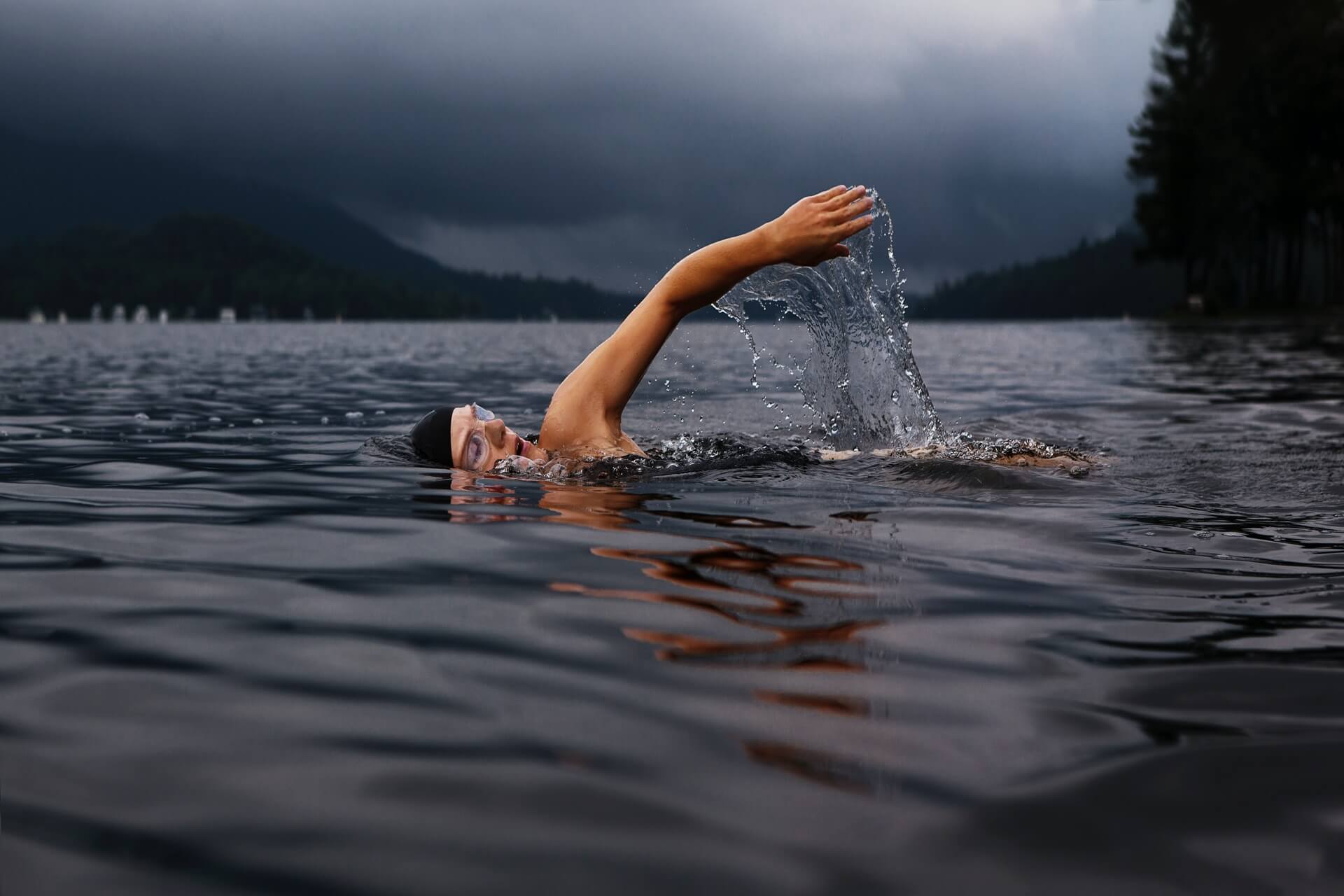
Even if you consider yourself a good swimmer, you’ll likely have to adjust your techniques to learn how to train for a triathlon. The skills necessary for excellence differ from those you’d use in a regular pool, so you must incorporate different workout structures. Start by using interval and pyramid training styles to ensure that your endurance slowly improves.
For triathletes, swimming outside in a generally uncontrolled environment poses a more considerable but necessary challenge. You could encounter choppy waters and currents in the real race that impede your progress. In these conditions, triathletes tend to rely on the freestyle stroke to propel them through open waters.
Experienced swimmers who trained in pools are probably used to breathing close to the surface, but in a triathlon, this would give you a mouthful of water. Instead, triathletes need to find opportunities to catch their breath by keeping their distance from other swimmers. For a beginner triathlon, your best bet is to keep your head above water as often as possible.
As for kicking, triathletes should conserve their stamina and aim to kick less frequently than
swimmers would kick in a pool. Balancing and body position likewise play a huge role in sustaining energy, since your body needs to exert more effort to correct itself whenever it’s off balance. There should be no wasted movement in your extremities.
Conditioning for Cycling
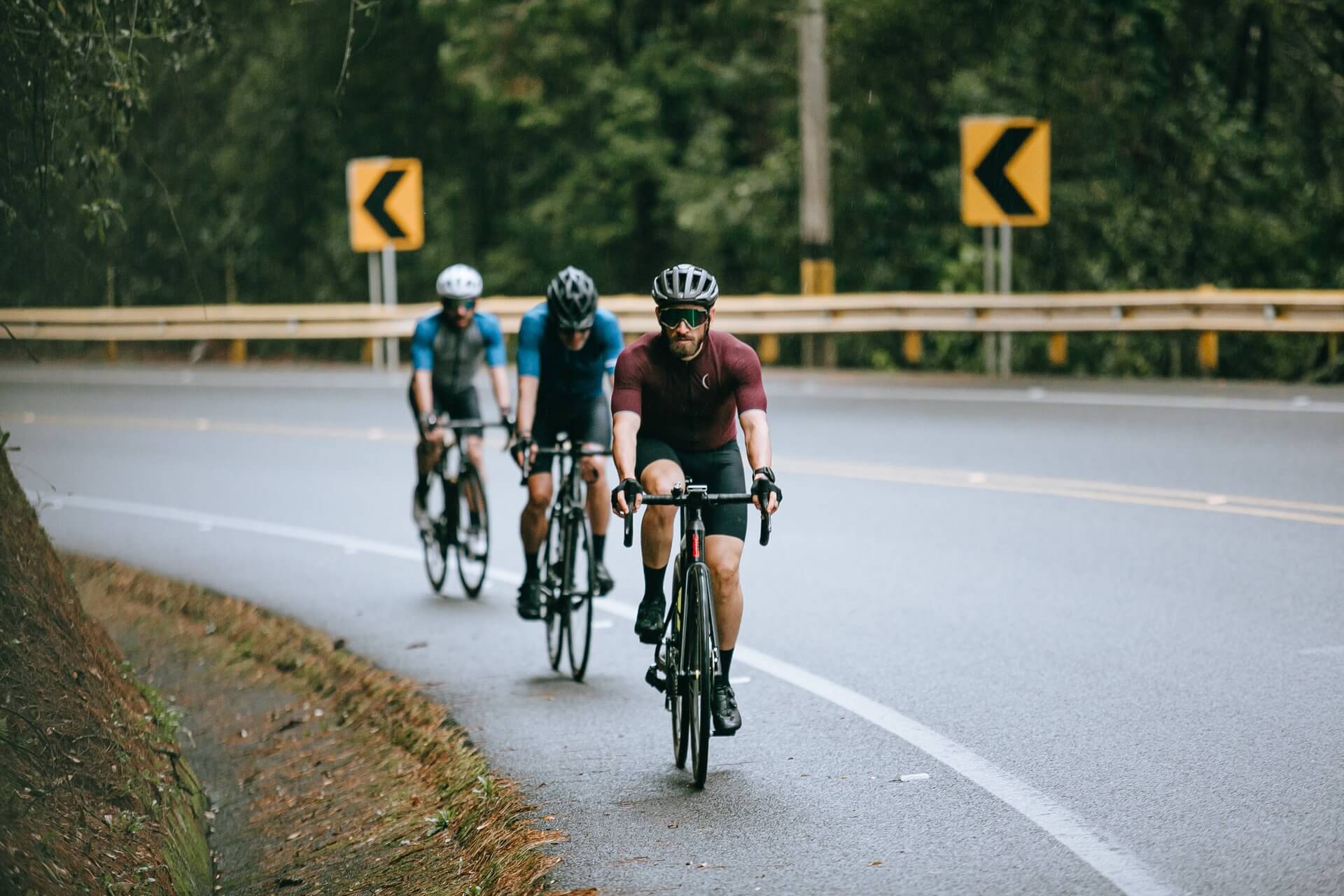
The key to getting better at cycling is developing a cadence to your pedaling during your workouts. Once you get more comfortable in a rhythm that works for you, your cycling movements will develop instinctively, propelling you toward greater success. You will expend less energy with each pedal and have more success in the running phase.
Practice in varying terrains with different gears to acclimate your body to numerous conditions. You might have to make some bike modifications and invest in more protective equipment. During your rides, be sure to rehearse shifting gears, starting, stopping, turning and even drinking from your water bottle in the midst of cycling.
Develop a consistent cycling workout strategy with two to three sessions each week while gradually building up your endurance. By the end of your 12-week program, you should be able to comfortably ride between 15 and 20 miles in one session. This benchmark puts you well above the 20km race that will take place in the triathlon.
Conditioning for Running
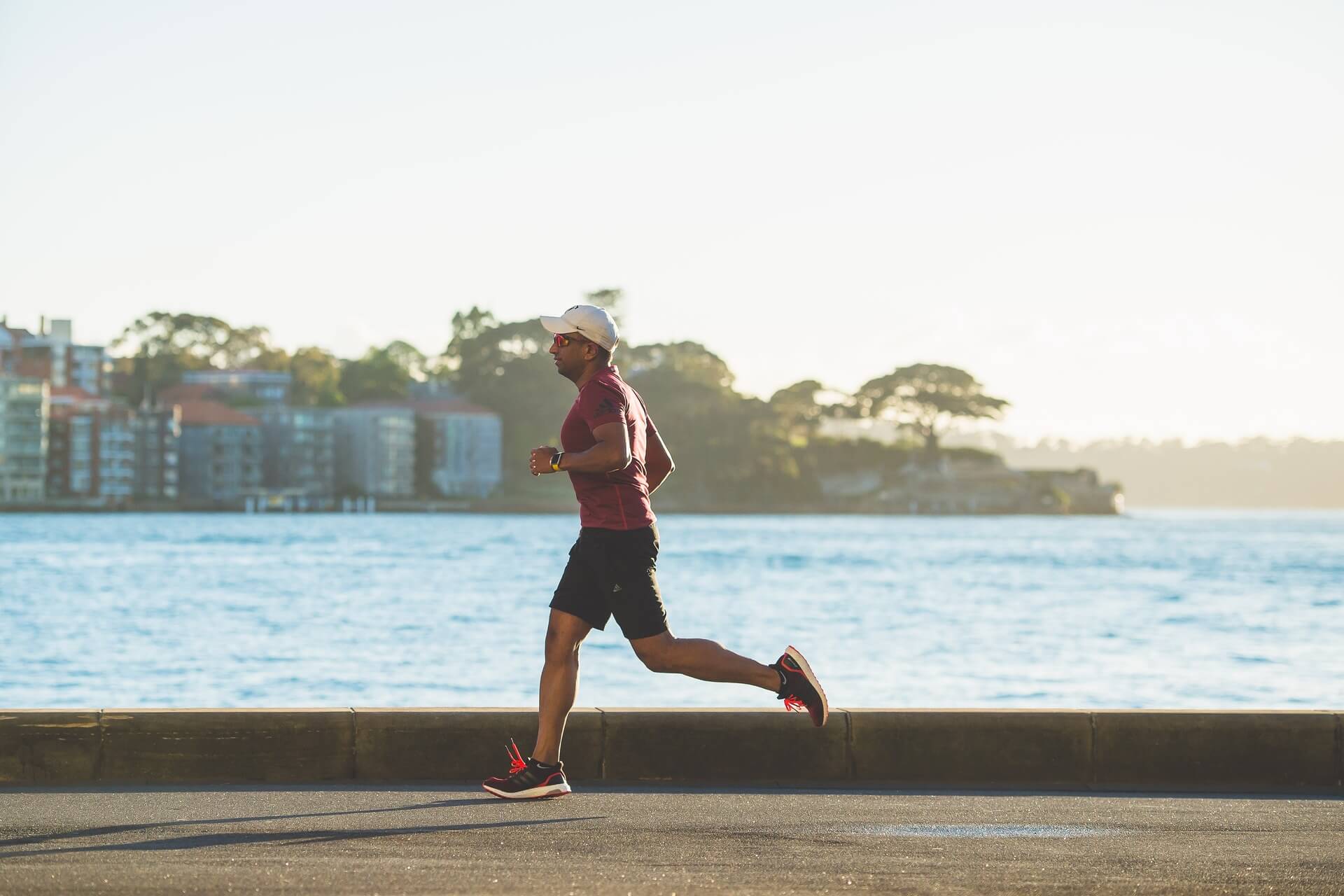
One of the most difficult sections of a triathlon to tackle is the transition from cycling to running. To account for this and prepare yourself, introduce combination workouts — also known as brick workouts — into your training. These sessions force you to complete your cycling and running workouts back-to-back.
Similar to cycling, for your running workouts, establish a stride cadence to settle into a relaxed, steady rhythm. Lean slightly forward and ease your hands, allowing your arms to comfortably swing. As with swimming and cycling, there must be no wasted movement.
Plan to run two to three times per week while training, with one of those runs following your longest bike ride as part of your brick workout. You can train to build on your speed with sprints but only do so once you can complete at least three miles. The most ideal time of day to run is the morning because of its energy-boosting benefits and stress relief.
Dietary Changes
You’re going to expend lots of energy in all three phases of the race, even if it’s just a beginner triathlon. You need to adjust your diet to improve your body’s athletic performance. These foods are calorie-dense and have lots of carbohydrates, glycogen, and electrolytes to keep you energized:
- Eggs
- Bananas
- Peanut Butter
- Dates
- Beetroot
- Low-sugar cereal
- Protein/energy bars
Caffeinated beverages such as coffee and pre-workout supplements are also extremely useful when training for a triathlon. If you drink coffee every day or even multiple times per day, you’ll fit right in with the triathlete community. However, you must be careful not to become reliant on these beverages. Your energy should mostly come from food and sleep.
Obstacles to Anticipate
Knowing how to train for a triathlon requires an awareness of the race’s external obstacles. Swimming, cycling and running are hard enough on their own, but other factors will make the race even more challenging. Here are some obstacles you should keep in the back of your mind during your 12-week program:
- Other Participants: in any organized race, you always have to consider the other participants. They might kick you during the swimming phase, bump into your bike during the cycling phase or trip you up during the running phase. Try to keep your distance from your fellow competitors.
- Spectators: the triathlon’s spectators can also cause a major distraction or even get in your way at some point during the race. You can’t let their antics disrupt your focus. Try to block them out and keep your eyes pinned on the path ahead.
- Extreme Heat: triathlons almost always take place during the summer to ensure warm water temperatures, but that also means you’ll be dealing with extreme heat during the cycling and running phases. Your hydration is of utmost importance.
- Chafing: since you’ll be wearing mostly the same clothes for the whole race, chafing in the crotch and armpits is a real possibility. You might want to keep a tube of vaseline in your bike kit in case the chafing becomes too irritable.
- Equipment Trouble: if your bike runs into equipment problems, you’re out of luck. Make sure the gears, tires, brakes and other components are in good condition the night before and the day of the race.
Exercise Properly and Work on Crossover Benefits
Every stage in a triathlon requires a shared skillset. Whether you’re conditioning for cycling, running or swimming, you’re improving your aptitude to handle other legs of the race through transferable training. If there are particular areas you may be weaker in, strengthen your ability to manage them by making the most out of crossover benefits during your workouts.
With proper discipline and thorough training, it won’t take long for you to become a successful triathlete and thrive while competing.