As an Amazon Associate, Modded gets commissions for purchases made through links in this post.
Ozempic is a popular prescribed medication that’s sweeping celebrity circles. Many people have started taking it for weight loss, but fears around the so-called “Ozempic Face” are turning off people who need it. But Ozempic Face has been pretty overblown in the press.
Disclaimer: This is a medical topic, and we are not your doctor. Please speak to a medical professional before taking Ozempic or any other class of drug we discuss in this article.
What Is Ozempic?
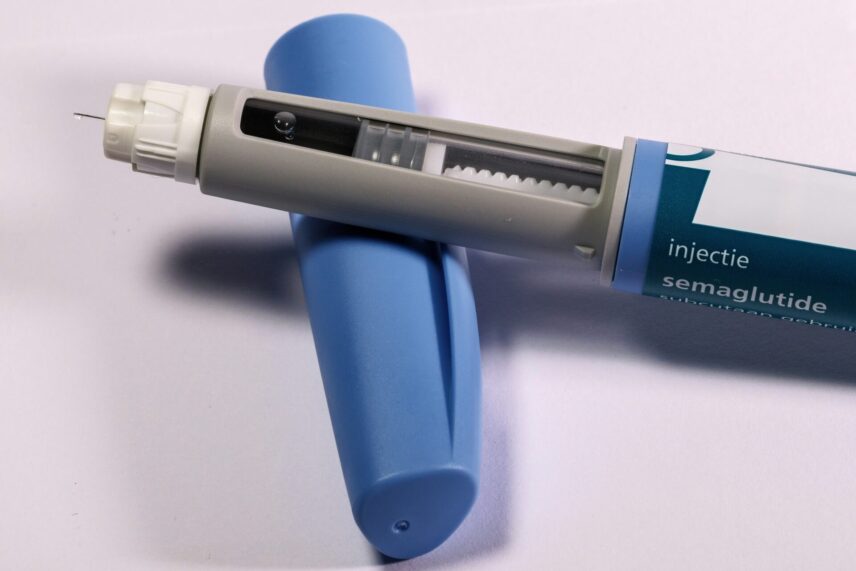
Ozempic is a brand-name GLP-1 medication that helps to treat type 2 diabetes.
While type 1 leads to weight loss, type 2 is associated with weight gain. Insulin resistance is the primary culprit, but a GLP-1 helps by telling the pancreas to release insulin. It also helps with digestion control and appetite reduction. So, even though Ozempic isn’t a weight-loss drug, it still causes weight loss. Brands like Wegovy are typically prescribed for chronic weight issues.
What Is Ozempic Face?
Ozempic Face is a term the media uses to describe the “look” some celebrities got after rapid weight loss. Losing facial fat can change how your face looks. This is true no matter how you lose the weight. The issue is the rapid part. Since you’re used to seeing a celebrity look a certain way, their face changing suddenly can make the change more noticeable.
Ozempic Face celebrities, like Kathy Bates, Claudia Oshry and Meghan Trainor, are among the many who have had a dramatic physical transformation after using Ozempic.
So, Ozempic isn’t the cause of Ozempic Face. The rapid weight loss is. If you’re on Ozempic, though, you should speak to your doctor about any cause of quick or sudden weight loss. An overactive thyroid and other medical conditions could also be the underlying reason.
How Ozempic Changes the Face
Keep in mind that rapid weight loss changes your face, not Ozempic itself. Still, losing fat will affect how you look. Here’s how:
- Removal of subcutaneous fat: Facial hollowing and sagging skin result from a loss of subcutaneous fat, the fat that sits under the skin.
- Shows signs of aging: Fat can fill the areas of the skin associated with aging. Wrinkles, sunken eyes and thin lips become more prominent as the face thins.
- Loss of skin elasticity: Rapid weight loss can lower levels of elastin and collagen. You need both to keep skin looking plump.
Not everyone who takes Ozempic will have Ozempic Face. There’s a difference between losing fat and losing weight, even though both often happen together.
What Is the Biggest Risk Factor of Ozempic Face?
Ever wondered why people with a higher BMI tend to have more loose skin after losing weight than those with a lower BMI? The answer is simple. If you weigh more, you have more excess skin. However, you can reduce excess skin on your body through gradual weight loss.
There’s no guarantee that after your weight loss, your skin will stay elastic. But losing weight has benefits beyond looks, such as better mood, better sleep and reduced cancer risk.
The point is that your body gets used to being a certain way. You’re used to your body looking a certain way. When you lose fat, your body looks different. So, no one is more at risk for Ozempic Face than anyone else. It’s more so the rapid loss and your change in expectations. Shedding those pounds quickly will make the contrast between your fatter and thinner face more obvious.
How to Avoid Ozempic Face
Going on a GLP-1 is a big decision, but it’s possible to reduce the side effects of Ozempic Face. Here’s what you can do to avoid or lessen this issue.
Talk With Your Doctor About Dosage
When you first start any medication, your doctor goes through a trial-and-error process. Your dosage may be too high if you’re experiencing significant side effects. Speak to your doctor about starting slowly and gradually increasing the doses.
Ask About Other GLP-1 Options
There are multiple GLP-1s on the market other than Ozempic. Ozempic and Wegovy are under the semaglutide class of drugs, but there are also liraglutide and tirzepatide. Liraglutide is associated with the least weight loss. Ask your doctor about your other options.
Drinking One to Two Liters of Water Per Day
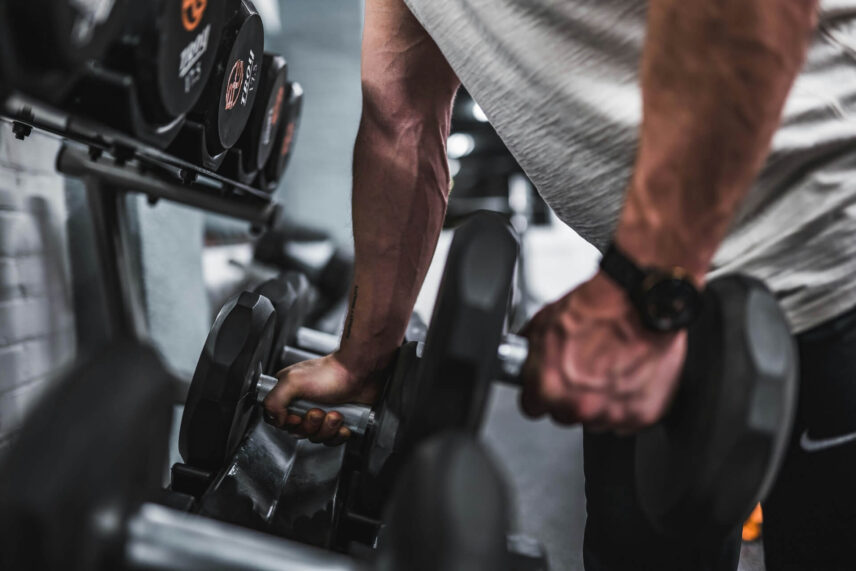
Dehydration can make wrinkles appear more pronounced. Hydration also supports the skin’s repair process. If you’re working out more often to increase your weight loss, you’ll need to drink even more water. As a rule, if your pee is yellow, drink more water.
Improving Animal and Plant-Based Protein Intake
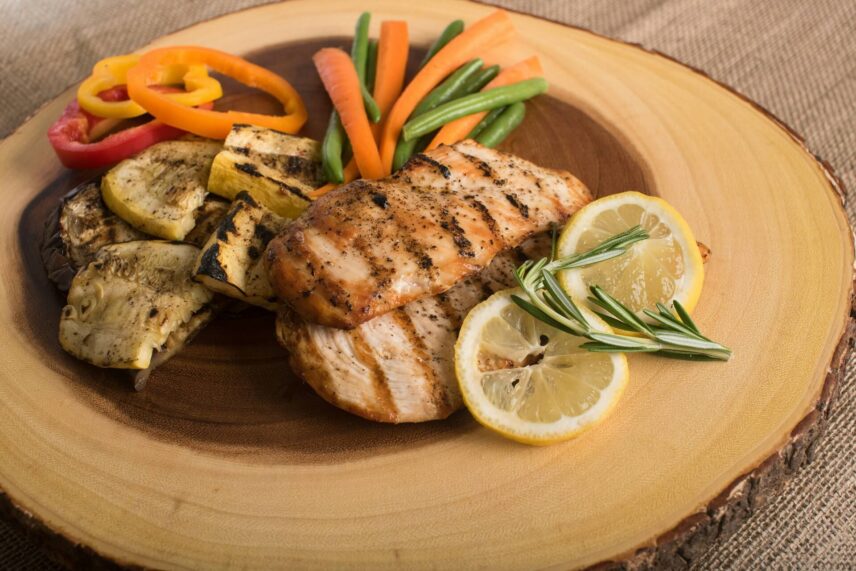
Protein keeps you fuller longer and reduces cravings caused by insulin spikes. This is great for both general weight loss and muscle building. If you’re an older adult, you may lose more muscle mass due to Ozempic. This can cause a more hollow appearance.
Establish a Good Skincare Routine
While hollow cheeks aren’t easy to address with skincare, some creams or solutions can help reduce the appearance of wrinkles. Retinol, for example, has great antiaging effects and can help clear acne. Be sure to add it to your skincare slowly to prevent or reduce redness.
Choose the Right Sunscreen and Wear It Daily
UV is responsible for a significant amount of damage to the skin, and that damage can show up as wrinkles, sunspots and uneven tone. Wearing sunscreen with an SPF of 30 or higher reduces that damage. It also reduces your risk of skin cancer.
Using Dermatological Fillers or Procedures
Injectables like Botox can plump up wrinkles and smooth lines, while lip fillers can add volume to lips. Noninvasive procedures, like microneedling or platelet-rich plasma, may help reduce wrinkles. Cheek implants and fat grafting could also add more fat under the skin.
Discuss Whether Stopping Ozempic Is Right for You
It’s possible to avoid Ozempic Face by removing it from your body. While it can take up to 5 weeks for a GLP-1 to fully dissolve, it will eventually be eliminated. When this happens, you may experience rapid weight gain, so speak to your doctor before making this decision.
You Can Prevent or Reduce the Look of Ozempic Face
Ozempic Face sounds scary, but it isn’t caused by Ozempic specifically — it’s just rapid weight loss in general. Fortunately, you can possibly prevent it by making lifestyle changes, speaking with your doctor about reducing your dose, or applying fillers.