As an Amazon Associate, Modded gets commissions for purchases made through links in this post.
Protein used to be mostly associated with gym culture, but now it seems to show up everywhere. Grocery aisles are packed with protein cereals, protein coffee and even protein popcorn. Restaurants highlight high-protein meals and social media often treats protein like the centerpiece of healthy living.
Strength, energy, longevity and body composition are becoming bigger priorities. Protein gained attention because it supports many of those goals. At the same time, wellness marketing amplified the conversation. A useful nutrient has turned into one of the biggest trends in modern nutrition.
Why Protein Became a Trend

Over the last decade, many men shifted their focus from simple weight loss to body composition. They started focusing on how to lose fat while keeping muscle, and protein naturally entered the conversation because it supports muscle gain.
Social media accelerated the trend. Fitness creators regularly share protein-heavy meals as part of routines focused on strength, energy and performance. Food companies quickly followed, adding high-protein labels to products that once had little connection to fitness culture.
There is also a larger cultural shift behind the obsession. Americans are eating more protein overall. Meat and poultry consumption in the United States has steadily increased over the past few decades. In fact, meat sales reached a record high of $112 billion in 2025, while total sales volume increased by 2% in pounds sold.
What the Protein Trend Gets Right — and Wrong
Understanding why people are obsessed with protein nowadays may lead you to realize that the craze actually gets several things right. Protein plays an essential role in your body, providing essential amino acids that play an important role in metabolism, growth, development and overall health.
Meals rich in protein can also help you feel satisfied longer, which explains why protein often comes up in conversations around healthy eating and body composition.
However, like most health trends, enthusiasm around protein occasionally runs ahead of reality. Protein supports progress best alongside consistent training, quality sleep and balanced meals. Carbohydrates are also important, since they mainly serve as the body’s primary source of energy, fueling cells throughout the organism. Fats and oils play their part as well. Most people feel and perform better when meals include a healthy mix of nutrients.
How Protein Works in Your Body
The amino acids that proteins provide act like building blocks your body uses to repair, maintain and create tissues. That process matters for much more than muscle. Your body uses protein to support skin, organs, enzymes, hormones and immune function.
After a workout, for example, protein helps repair small amounts of muscle damage, allowing muscles to recover and adapt over time. During busy weeks or periods of stress, protein also supports everyday processes that help your body keep running smoothly. Protein is a slower and longer-lasting source of energy than carbohydrates, which means that regular intake matters.
Eating protein throughout the day gives your body a steady supply of amino acids to support recovery, energy and overall function. This also helps explain why so many experts encourage including protein at breakfast, lunch and dinner rather than saving most of it for one meal.
How Much Protein Do Men Actually Need?
The answer depends on your goals. The Recommended Dietary Allowance for protein is 0.8 grams per kilogram — 2.2 pounds —, which meets basic health needs for most adults. Many experts suggest active men, older adults and men focused on building muscle may benefit from higher amounts.
You can start by calculating your ideal protein intake based on your weight. For example, ifyou weight 150 pounds, you should consume around 82 to 116 grams of protein.
If your goal is to build muscle, protein needs often rise with resistance training. Men focused on strength often aim for intake closer to the higher end of the recommended range. However, this is something you should always flag with a health professional so you can create a healthy nutrition plan.
Why Protein Feels Different at Different Ages
In your 20s, recovery often feels easier and maintaining muscle may happen more naturally, especially if you stay active. At this stage, protein often supports performance, energy and fitness goals.
Men who lift weights, play sports or train consistently can benefit from building balanced eating habits early. As the years go by, protein tends to play a bigger role in maintaining strength and mobility.
Muscle mass naturally declines with age, which can influence strength, mobility and metabolism. Adult men can lose between 3% and 5% of muscle mass per decade after age 30.
Age only tells part of the story, though. Lifestyle and goals matter just as much. A man in his 50s who strength trains regularly may need more protein than a sedentary man in his 20s. Your activity level, training style and long-term goals often shape your needs more than age alone. However, protein intake is relevant at any age.
Smart Ways to Eat More Protein Without Overthinking It
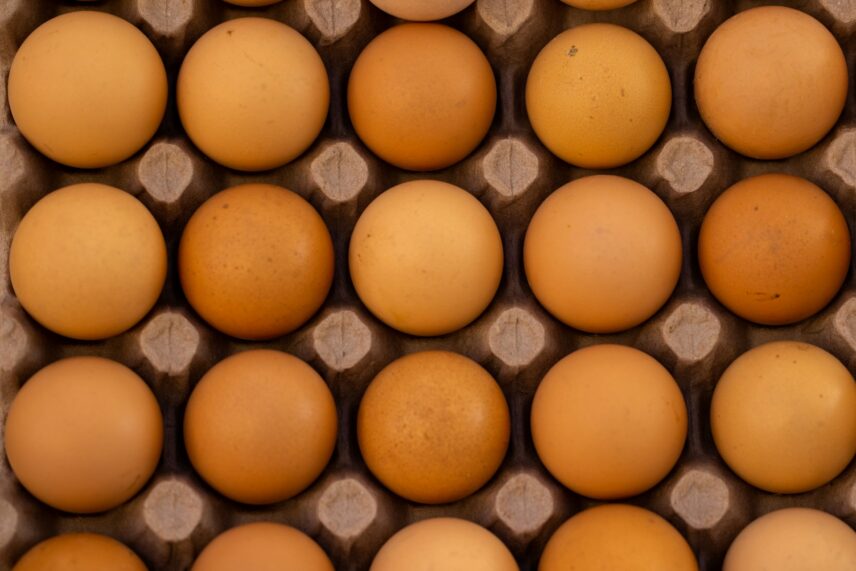
Eating more protein can feel much simpler than social media makes it seem. Small adjustments often make a meaningful difference. If you’re concerned about budget, eggs and Greek yogurth are some affordable options, as well as peanut butter, black beans and sunflower seeds.
A balanced plate often works best. Meals built around protein while including fiber-rich carbohydrates and healthy fats may help you support energy, recovery and overall nutrition more effectively.
You can explore different approaches to protein-focused eating to find a routine that feels sustainable. There are various diets focused on protein intake, like the Ketogenic diet, which centers on fat and proteins while limiting carbohydrates to a minimum. The Paleo diet or Dukan diet are also options you can check out.
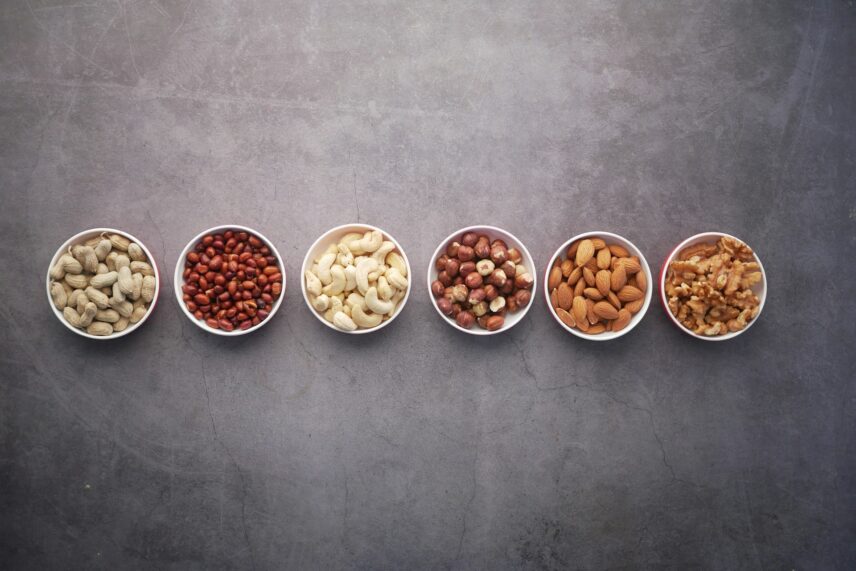
Protein is not just about meat or animal-derived products. If you want to lean into vegan options, beans, legumes, nuts, whole grains and seeds can do the trick and help you with muscle recovery.
Daily habits influence results, too. If you train regularly, learning simple ways to recover between workouts can complement your efforts. Sleep helps your body repair, and hydration is also key and may shape how effectively your body uses nutrition.
A Better Way to Think About Protein
Protein gets so much attention because it connects to goals many men care about, whether that means feeling stronger, building muscle or staying active as the years go by. A balanced approach usually works best. When protein becomes part of an overall routine that includes movement, sleep and satisfying meals, it turns into something useful rather than something you have to overthink.