As an Amazon Associate, Modded gets commissions for purchases made through links in this post.
The gym is a modern paradox. You’re surrounded by people, yet it can be one of the most isolating places. Everyone seems to be on their own island, plugged into their own playlist and focused on his own grind.
Having a reliable gym partner is a game-changer — it’s accountability when you’d rather hit snooze and the powerful camaraderie of a shared pursuit. This guide on how to make friends at the gym is about enriching your fitness journey with genuine connections, offering actionable strategies to turn fellow gymgoers into real friends.
Setting the Stage
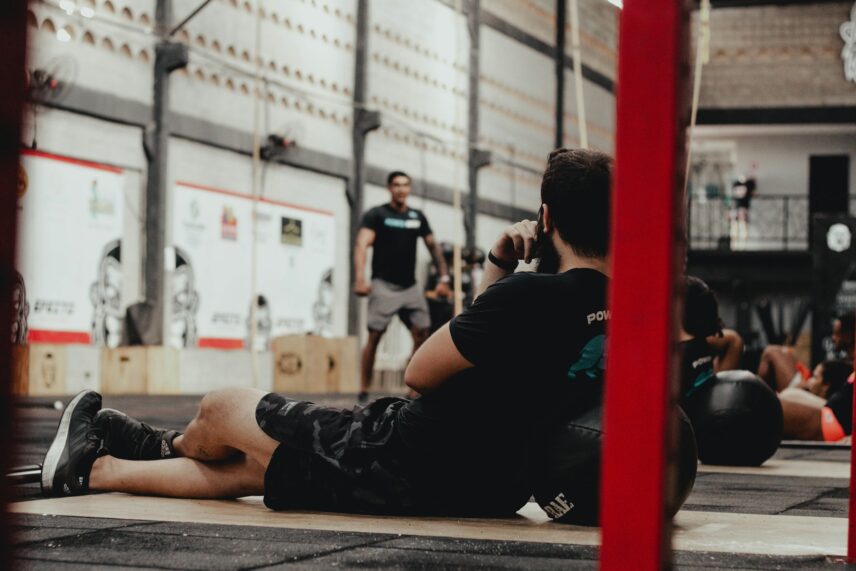
Before you say a word, you can set the foundation for connection.
Be a Regular
The easiest way to become familiar is to be familiar. When people see you consistently, you become part of the gym’s landscape. That quiet recognition is the foundation of all future interactions. Show up around the same time and on similar days, and you’ll start to notice the other regulars who do the same.
Try the Universal “Gym Nod”
The “gym nod” is the official language of men who lift. A simple, upward tilt of the head that says, “I see you,” “Keep grinding” or just “We’re both here again” is a low-effort acknowledgment of a fellow regular. This micro-interaction builds a sense of familiarity and signals that you’re open to chatting.
Ditch the “Don’t Bother Me” Vibe
Your body language speaks volumes — nonverbal cues can shape how people read your attitude and approachability. If you’ve got your headphones on or both earbuds in, a scowl on your face, and your head down between every set, you’re broadcasting a clear “Do not disturb” message. Projecting an aura of approachable confidence is key, so take one earbud out, make brief eye contact and show that you’re open to the world around you.
Breaking the Ice
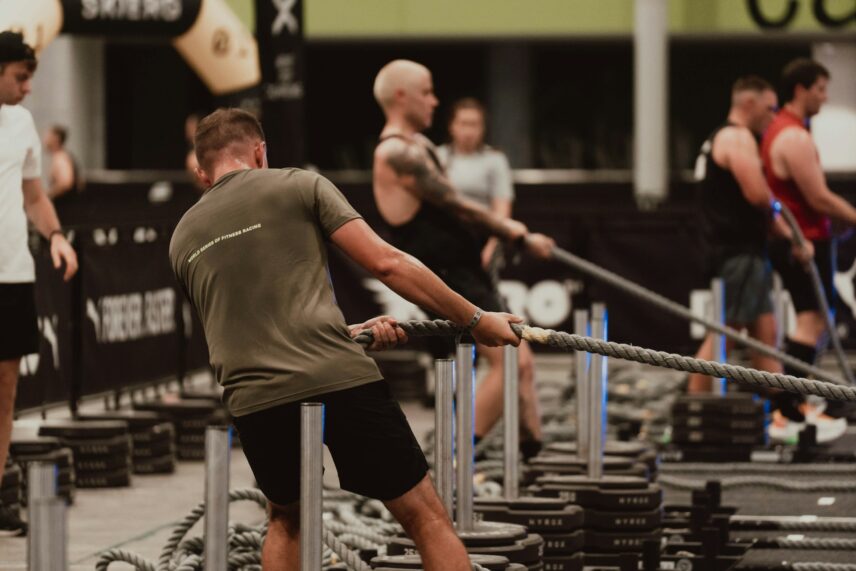
This is where most people get stuck. How do you initiate a conversation without being awkward? Keep it simple, practical and rooted in the shared environment.
Use a Low-Stakes Opener
The easiest way to start a conversation is with a purposeful question. “How many sets you got left?” is perfect because it’s direct and all business. A more engaging option is, “Mind if I work in with you?” This is the gym’s built-in icebreaker. It’s a simple request that creates an instant mini-partnership and a natural space for small talk during rest periods, all without any forced scrambling for topics.
Be Genuinely Curious
Getting help is a sign of strength and respect, not weakness. Requesting a spot on a heavy lift is a gesture of trust in a gym setting — you’re putting your safety in someone else’s hands for a moment, which creates a bond. Taking small social risks like this is a key part of actively looking after men’s mental health.
Asking for advice is also a good move. A question like, “Hey, I’ve seen you do those before. Could you check my form real quick?” is flattering because it acknowledges their experience and fosters a helpful interaction that goes beyond a simple nod.
Give a Compliment
A good compliment can be a great bridge. The key is to focus on effort, not physique. Instead of “You’re huge, man,” try something like, “You were crushing that set.” It’s an acknowledgment of their hard work. Another effective route is to compliment their gear. A simple, “Cool shoes, where’d you get them?” is an easy way to start a dialogue about something other than the workout itself, opening the door for a more personal conversation.
Building a Connection
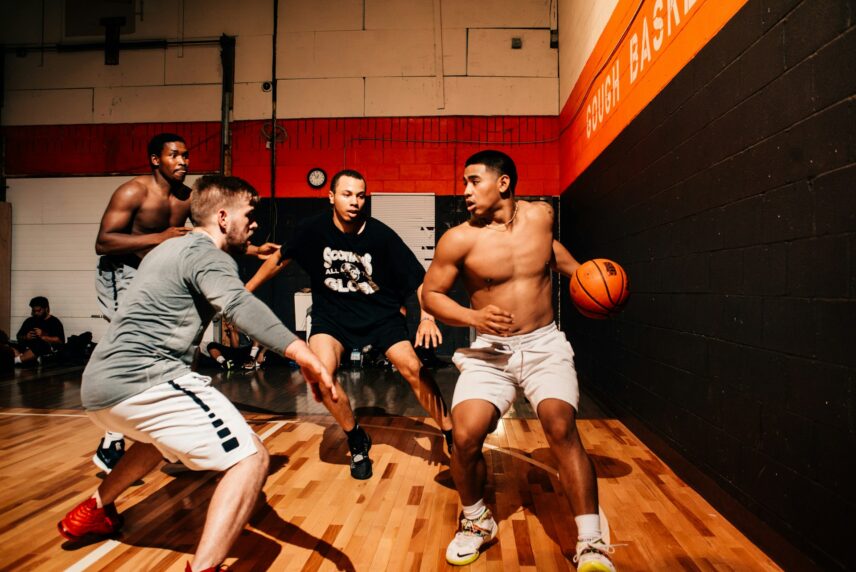
Once you’ve broken the ice, the next step is to build on that interaction. This phase is crucial, especially since a 2025 survey reported that at least 50% of U.S. adults feel isolated. Building connections can help overcome male loneliness, which is a significant challenge. This is about transitioning from functional, one-off interactions to a more consistent and personal rapport.
Master the Art of the Rest Period Chat
A gym conversation has a unique rhythm. It’s not the best place for long-winded stories, so keep your conversations brief, light and ideally, relevant to the workout. This isn’t the time to open with complaints about your job or get into a deep political debate. The goal is to have a friendly conversation in the short bursts of downtime you have, showing that you can be sociable without disrupting the primary reason you’re both there — to train.
Find Common Ground
Start paying attention to what others are doing. Noticing programming details, for instance, is a subtle but effective technique. A question like “You running a PPL split too?” shows you’re a peer on the fitness journey and opens the door to discussing goals and methods. Finding shared interests is a great way to stop feeling lonely and build new connections.
Remember the Details
This is the difference between passive interaction and active listening. If a guy mentioned last week that he was going on a hike over the weekend, asking him, “Hey, how was that hike?” when you see him next is a great way to strike up a real friendship. It shows that you were actually listening and that you see him as more than just “that guy from the bench press.” This simple act of recall is what makes people feel seen.
More Tips for Moving from Gym Acquaintance to Actual Friend
Making friends as an adult can feel daunting, but you can try these simple methods for taking the friendship beyond the gym walls:
- Extend a casual invitation: “I’m grabbing a smoothie next door, you want to join?” is low-pressure and easy to decline if they’re busy.
- Try the direct approach: After you’ve established a solid rapport, don’t be afraid to be a little more direct by saying something like, “We should grab a beer after our workout sometime.”
- Join a group class: CrossFit, boxing or any other group fitness class provides a structured social environment and a shared experience.
- Organize a weekend activity: If you’ve made a few connections, suggest a small group activity like a hike or a pickup basketball game.
- Connect digitally: “Are you on Instagram? I’ll give you a follow” is an effortless way to stay connected outside the gym without having to ask for someone’s number if you feel that your friendship hasn’t progressed to that level yet.
Build Your Wolfpack
Just like building muscle, making friends at the gym takes time and consistency. Start small, be genuine and don’t be afraid to put yourself out there. The rewards are worth the effort. You’ll build a community of like-minded individuals who will support you both in and out of the gym. You might find that the missing piece of your fitness journey was a solid group of guys to share it with.