As an Amazon Associate, Modded gets commissions for purchases made through links in this post.
Think about the distinct notes of the original PlayStation booting up, or the iconic “SEGA” whisper. Those sounds can trigger a flood of memories and a powerful sense of nostalgia that’s unique to video games. For many, these games weren’t just a way to have fun. They were a core part of growing up.
The nostalgic games on this list represent a shared cultural touchstone for a generation. They’re the source of inside jokes and heated debates. These are the titles that defined their genres, launched consoles and left a deep, lasting emotional mark on millions of gamers worldwide.
1. Chrono Trigger (1995)
Often appearing on “greatest games of all time” lists, Chrono Trigger was the result of a JRPG dream team made of creators from the Final Fantasy and Dragon Quest series. It was a masterpiece of 16-bit storytelling that pushed the Super Nintendo to its limits.
Players journey through different eras, from prehistoric times to a post-apocalyptic future. Their actions in one period would have visible and dramatic consequences on another, a concept that was mind-blowing at the time. With over a dozen different endings, a memorable cast of characters and one of the most beloved soundtracks ever composed, Chrono Trigger remains a timeless adventure.
As a time-traveling epic, Chrono Trigger is filled with dramatic story beats, like:
- Arriving in the bleak, ruined world of 2300 A.D. for the first time and realizing the true stakes of the adventure
- The courtroom sequence where minor actions from the game’s opening moments are brought back as evidence against the player
- Realizing the character side quests near the end of the game were some of the most compelling stories in the entire adventure
2. Super Mario 64 (1996)
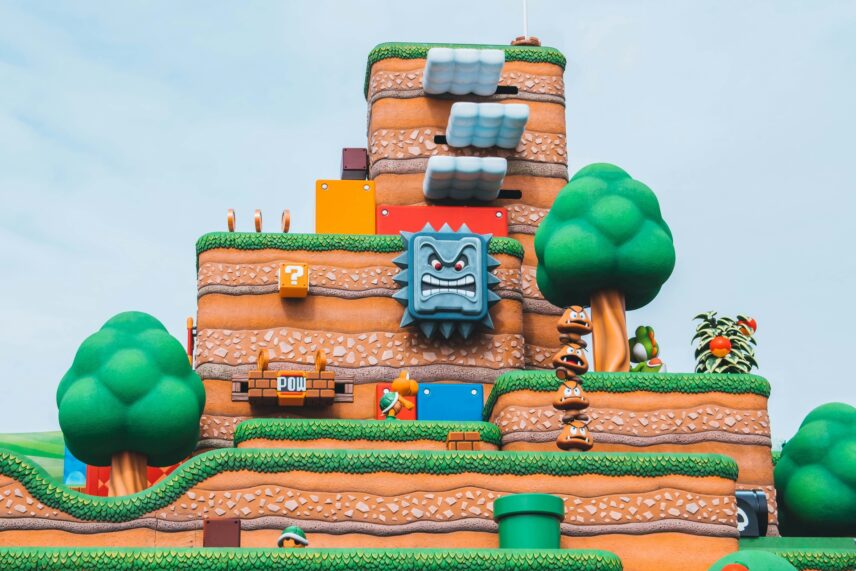
This wasn’t just Mario’s first adventure in 3D. It was the game that wrote the rulebook for 3D platforming. As the premier launch for the Nintendo 64, it set a standard for freedom of movement that developers are still chasing today.
Super Mario 64 is a masterclass in joyful design. Every “Wahoo!” and “Yipee” from Mario was a burst of pure energy and mastering triple jump, wall jump and long jump made players feel like an acrobatic superstar. Peach’s castle served as the perfect hub world, filled with secrets that invite gamers to literally jump into new worlds through magical paintings.
It’s a game defined by its incredibly memorable, and sometimes terrifying, moments:
- The primal fear of encountering the giant, unblinking eel in the Jolly Roger Bay
- The vertigo-inducing race against Koopa the Quick in Tiny-Huge Island
- The moral dilemma and ultimate temptation of dropping the baby penguin off the edge of Cool, Cool Mountain
3. Final Fantasy VII (1997)
Final Fantasy VII came in three separate discs, a clear signal to players that they were in for an epic, sprawling saga that would push the limits of what a video game could be. The jump from 2D sprites to 3D polygonal characters felt like a monumental leap into the future of gaming.
Many players spent hours leveling up just to see the next jaw-dropping summon animation. Cinematic sequences like Bahamut ZERO were rewards in themselves, demonstrating the graphical power of the PlayStation. The game also tackled serious subjects with storylines that focus on environmental destruction and corporate greed, giving players a taste of the real world in a fantasy adventure.
The commitment to mature storylines is why the game has stuck with players for decades. Many gamers still think about some of its most iconic characters and moments:
- The shocking death of Aerith, a moment that stunned an entire generation and is still discussed today
- The brooding, complex hero Cloud Strife and his iconic Buster Sword, who became the template for a new kind of JRPG protagonist
- The introduction of Sephiroth, one of gaming’s most legendary and terrifying villains, complete with his chilling theme music, “One-Winged Angel”
4. Pokémon Red and Blue (1998)
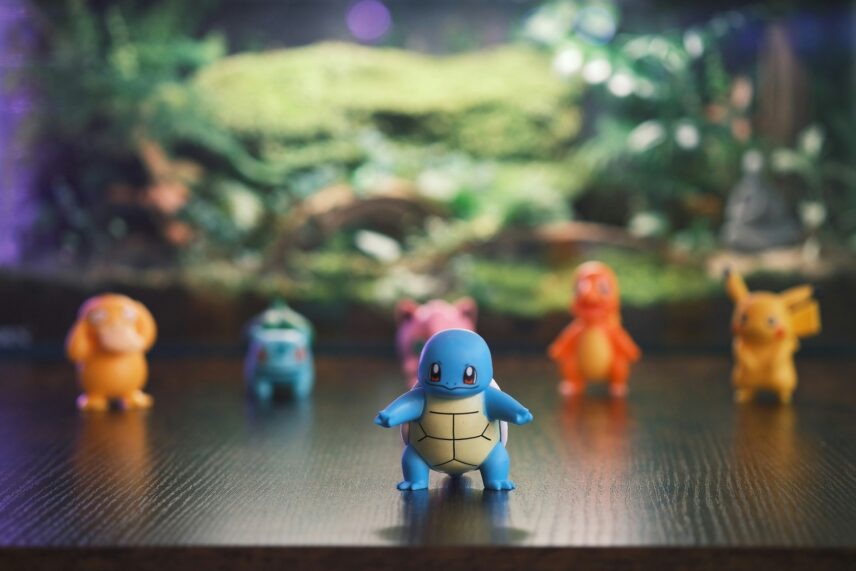
Pokémon is a global phenomenon. It was a playground craze, a blockbuster TV show and a line of toys, but it all started with a humble, monochrome RPG on the Game Boy that took the world by storm.
The adventure began with the most important decision of any ‘90s kid — choosing between Bulbasaur, Charmander and Squirtle. After that, it’s a grand adventure across the Kanto region to become a Pokémon master, battling gym leaders and thwarting the evil Team Rocket. The game’s 8-bit soundtrack is pure nostalgia fuel, from the triumphant victory music to the haunting tune of Lavender Town.
The journey was filled with unforgettable milestones, like:
- The agonizing, character-defining choice of the first starter Pokémon
- Finding, battling and finally catching the Snorlax blocking that path
- The pervasive schoolyard myth of figuring out the secret to using “strength” on the truck near S.S. Anne to find a secret Pokémon
5. Spyro the Dragon (1998)
On a console known for mature, cinematic titles, Spyro the Dragon was a burst of pure, unadulterated joy. Vibrant, colorful and masterfully designed, this 3D platformer was accessible to everyone.
The game sparked a sense of wonder and discovery. Finding all the hidden dragons trapped in crystal felt like a true accomplishment, and exploring the whimsical “Homeworlds” gave the game a unique structure that encouraged exploration.
The love for this simple, joyful formula was so strong that the game became the flagship for modern video game remasters. The Spyro Reignited Trilogy improved the original series while still staying true to its roots. The nostalgia for Spyro is tied to its compelling core mechanics:
- The pure, simple fun of charging headfirst through a line of helpless sheep
- Mastering the glide and discovering a secret platform that was previously unreachable
- The triumphant feeling of hearing Sparx collect the final gem in a level, signalling 100% completion
6. The Legend of Zelda: Ocarina of Time (1998)
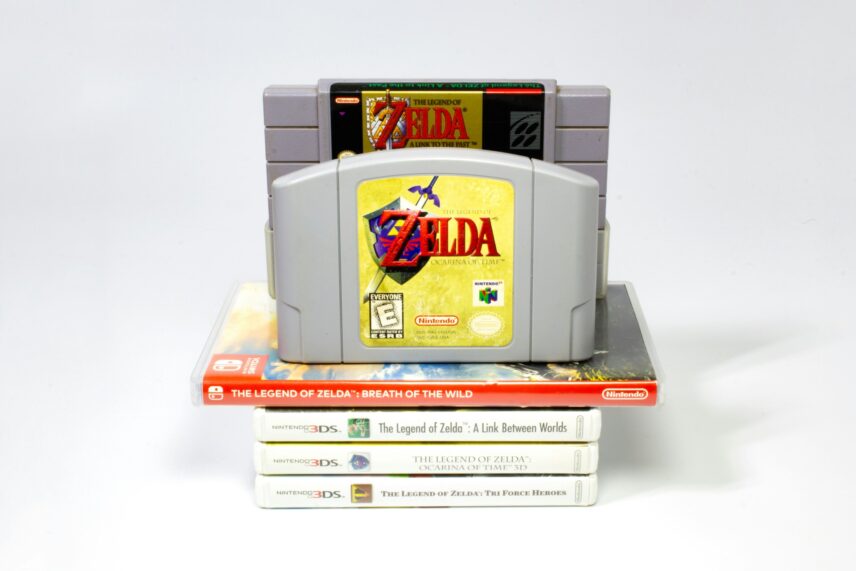
The Ocarina of Time was a watershed moment for an entire generation. It introduced or perfected mechanics that are still standard in gaming today.
Z-targeting was a revolutionary solution for combat in a 3D space, making sword fights fluid and intuitive. The day/night cycle and changing weather made the world of Hyrule feel dynamic and alive in a way that no game had before.
Beyond the technical marvel, the game’s true legacy lies in the profound sense of wonder it instilled in its players. Ocarina of Time captured the pure essence of adventure, delivering countless unforgettable moments that are etched in gaming history:
- The sheer awe of stepping out of Kokiri Forest into the vast, open expanse of Hyrule Field for the first time
- The masterful storytelling twist of pulling the Master Sword from its pedestal and being thrust seven years into a dark, ruined future
- The epic, multi-stage final battle against Ganon in his crumbling castle
7. Silent Hill 2 (2001)
In an era dominated by the jump-scare action of Resident Evil, Silent Hill 2 offered a different, more cerebral kind of horror. The game’s iconic oppressive fog and the crackle of the radio static weren’t just stylistic choices. They were masterful ways of using hardware limitations to create a constant, claustrophobic sense of dread.
The game begins not with a zombie outbreak but with a quiet, personal tragedy. Gamers play as James Sunderland, who went to Silent Hill after receiving a letter from his wife, who died three years before. The entire town is a masterful exploration of James’s psyche. Subtle actions throughout the game — like whether the player tried to stay healthy or if they examined a specific photograph — pave the way to several endings.
The scenes many gamers remember about Silent Hill 2 were often the ones brimming with lingering, unsettling dread:
- The first appearance of the terrifying Pyramid Head
- The long, unnervingly quiet walk down the foggy forest path at the start of the game that ramped up tension despite almost nothing happening
- The disturbing cutscenes that dealt with themes far darker than most games would dare touch, like the encounter with Angela on the burning staircase
8. Kingdom Hearts (2002)
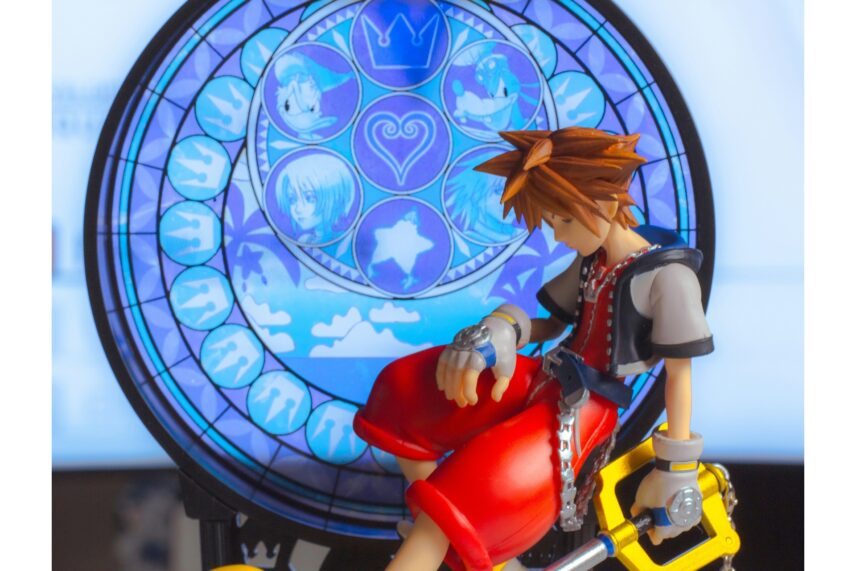
The initial pitch for Kingdom Hearts sounds like a fever dream. Angsty, spiky-haired heroes of Final Fantasy team up with Donald Duck and Goofy to travel to classic Disney worlds. The concept seemed too absurd to work, yet it created one of the most unique and beloved RPGs ever made.
The game’s true magic comes from its premise of wish-fulfillment. It lets players step through a portal and into beloved Disney movies to fight alongside Aladdin in Agrabah, swim with Ariel in Atlantica or team up with Jack Skellington in Halloween Town. Playing nostalgic games like Kingdom Hearts triggers a sense of childlike wonder that provides a sense of emotional relief, especially for busy, stressed adults who can take solace in the familiar.
Kingdom Hearts is one of the nostalgic games of the 2000s that’s remembered for its unique blend of joy, angst and magic, which are distilled in moments like:
- Sealing the keyhole of a world for the first time, complete with the iconic magical sound effect
- The emotional gut-punch of an ending on the shores of Destiny Islands
- Hearing the opening notes of Utada Hikaru’s “Simple and Clean,” which transports any fan back to the game’s opening cinematic
9. Farmville (2009)
This one might be controversial, but its impact is undeniable. Farmville represents nostalgia for the golden age of Facebook gaming. It lived in the browser, and for a time, it took over the Internet.
Plant crops, wait a set amount of real-world time and then harvest them for profit. This “appointment gaming” mechanic was so addictive that it created a low-stakes but persistent reason to log in every single day. The constant notifications of one of the most nostalgic games online were a forerunner to the mobile alerts that run people’s lives today.
Farmville officially shut down on New Year’s Eve in 2020 because of the end of Adobe Flash support. The memories associated with it are a unique time capsule of early social media culture:
- The thrill of finally being able to afford a blue hay bale or a bigger barn
- The social awkwardness of accidentally posting “I need help with my farm” online on Facebook for everyone to see
- The specific envy of seeing a friend’s massive, perfectly organized and hyper-efficient farm
10. The Elder Scrolls V: Skyrim (2011)

It might feel recent to some, but for an entire cohort of players, Skyrim is the ultimate pick for nostalgic games in the 2010s. It trusted players to make their own adventure, and the “emergent gameplay” meant that no two players had the exact same story.
The game’s cultural footprint was enormous, permeating pop culture in ways few others have, like the “arrow in the knee” meme in 2012. Skyrim’s longevity is legendary, becoming a running joke for how many times it has been re-released. Over a dozen years after its release, it has sold more than 60 million copies, and many people are still playing it.
Skyrim is a story-generating machine, creating endless unique and memorable moments for every player, like:
- The first time a dragon attacked the player while they were in the middle of a peaceful walk
- Absorbing the first dragon soul and hearing the Greybeards’ distinct summon
- Accidentally attacking a chicken in Riverwood and having the entire town turn on the player with lethal force
What’s on Your Memory Card?
From the sweeping fields of Hyrule to the industrial cityscape of Midgar, these nostalgic games were living, breathing worlds that many inhabited, explored and made their own. They’re interactive time capsules. More than just save data, they hold memories, friendships and the feelings of who the player was when they first played them.
Of course, this list is only a starting point. For every game mentioned here, there are a hundred others that hold a special, nostalgic place in someone’s heart. Did the title that instantly takes you back to your childhood make the list?