As an Amazon Associate, Modded gets commissions for purchases made through links in this post.
The gaming industry is more competitive than ever. While the number of gamers worldwide is exploding, the number of developers is decreasing. Massive layoffs highlight revenue-hurting operational inefficiencies, compelling gaming companies to innovate to stay productive with leaner development teams. Procedural generation and AI generation are two innovations streamlining game development workflows.
What Is Procedural Generation?
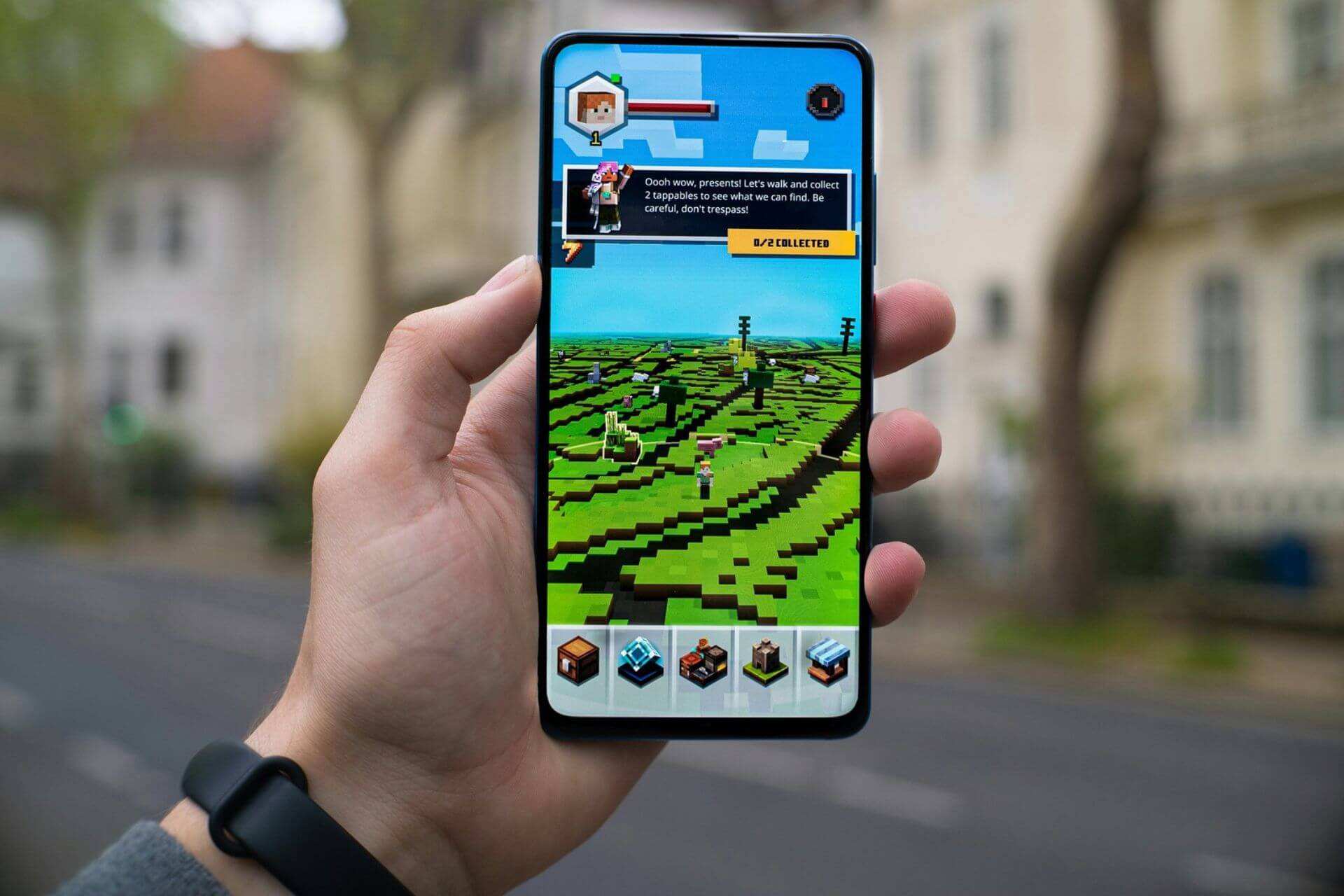
Procedural generation, or procedural content generation, is a computing method designed to create content algorithmically rather than manually. This technique uses predefined rules to generate data during runtime, making it possible to create game elements — including characters, items, objects, levels, landscapes, sound effects and vocalizations — with minimal time and effort.
How Does Procedural Generation Work?
Game development creatives set the parameters of procedural content generation. Algorithms use these specific instructions to know which content to generate automatically.
Random number generation (RNG) is vital to this game content creation method. RNG produces sequences of numbers that seem random, introducing variability and unpredictability in content creation. Procedural generation systems usually rely on seed-based determinism, using a seed value to control the random number sequence. In other words, predetermined randomness.
For instance, Unity procedural generation supports prefabs, making preconfigured objects “randomly” spawn based on predefined rules.
The randomness procedural content generation brings to games can lend more realism to virtual environments. Dynamic game elements emulate the unpredictable nature of real life, making everything seem to happen by chance.
Procedural generation algorithms can employ these techniques to create fresh game assets:
- Cellular automata: This technique perfectly simulates forests, caves and urban layouts, fabricating interconnected natural-looking environments filled with valuable resources and dangerous enemies.
- Noise functions: These are useful for creating heightmaps and terrain with different textures. For example, Minecraft uses a procedural generation algorithm called Perlin noise to create block areas on the fly based on a seed value.
- Lindenmayer systems: They generate complex geometric structures mimicking organic forms, such as expansive river networks, complex tree crowns and vibrant coral reefs.
- Graph theory: This method presents content as a graph, which is apt for generating integrated spaces, like logical dungeon layouts with clearly defined, accessible rooms.
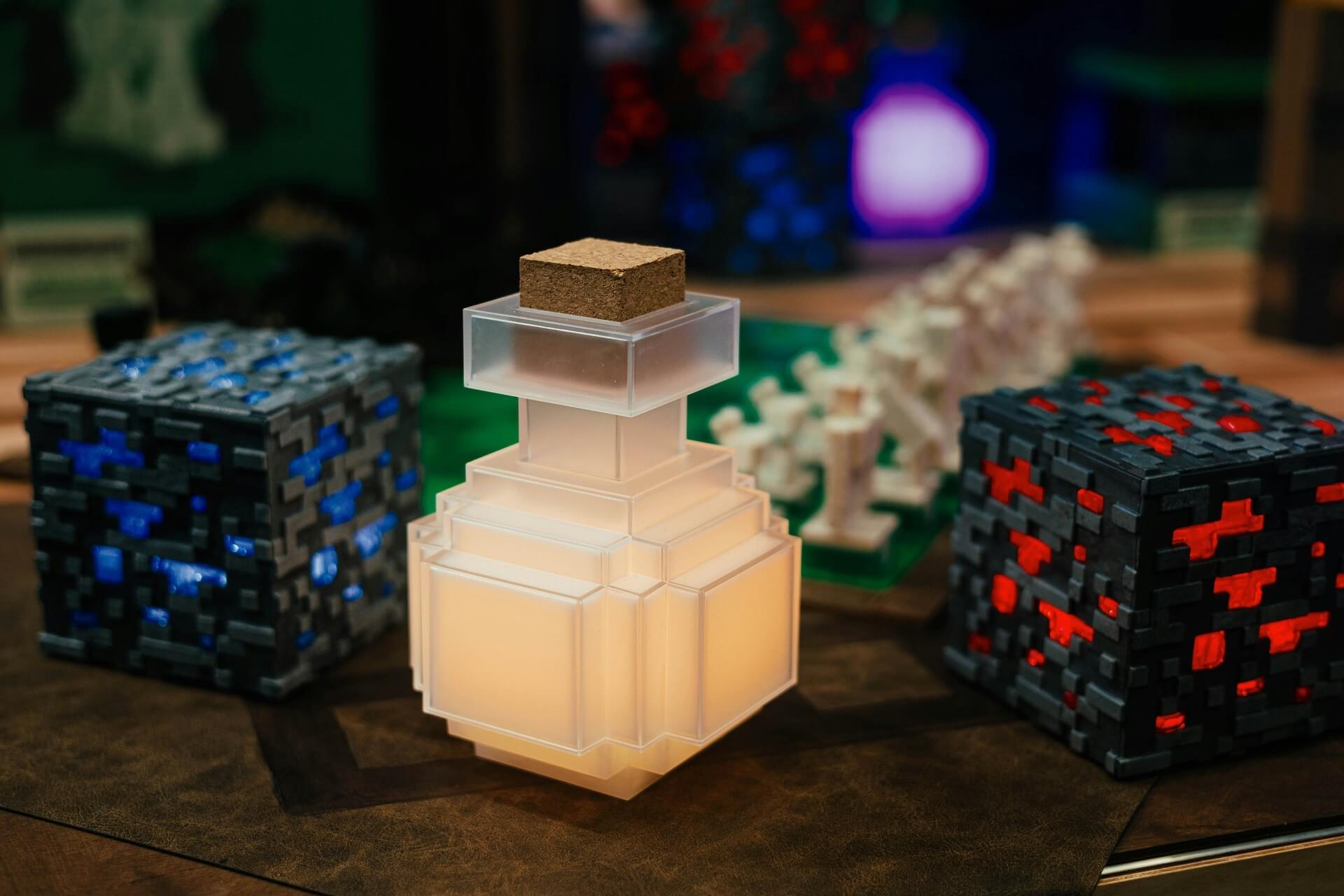
Moreover, procedural generation systems can adapt content to various hardware specifications and player preferences. This ability ensures players can enjoy games consistently across different devices and platforms.
Procedural Generation — The Good and the Bad
Diverse content, increased replayability and resource conservation are procedural generation’s primary benefits.
The aesthetics of procedurally generated universes look unique each playthrough, enriching gaming experiences. Replayability increases, encouraging players to keep playing and reexperience games in fresh ways.
Creating vast amounts of data procedurally shortens development time and conserves resources gaming companies spend to build titles, especially large-scale explorable worlds. They can minimize payroll costs, pay top talent better and save on data storage.
Procedural content generation fosters creativity. This algorithmic approach allows developers to focus on refining algorithms and creating immersive environments. They can concentrate on more critical aspects of games without getting bogged down in the tedious manual design and content creation processes.
One drawback to procedural generation is that it can create repetitive environments. Unfamiliar places can affect navigation and wayfinding, and balancing structure and randomness can be a struggle.
Poorly generated content can negatively impact gameplay and a player’s sense of agency. Game creators define how procedural generation systems behave, but visualizing the output of algorithms during the development stage remains challenging. Scripting specific events can feel like a boss fight. Designing robust, effective procedural generation algorithms can be taxing.
What Is AI Generation?

AI generation uses machine learning to automate game asset creation. AI models undergo training to identify the underlying patterns and structures in data. This AI-driven approach can produce a broad range of outputs with more nuance and detail than algorithmically generated ones.
How Does AI Generation Work?
Machine learning engineers develop adaptive AI models, helping them imitate humans when processing information to evolve using various techniques, including:
- Supervised learning: This technique involves training AI models on game state, player activity, and other existing data, enabling them to recognize patterns for predicting outcomes and identify relationships between data points for reproducing similar behaviors.
- Reinforcement learning: This approach lets AI models learn by trial and error. They explore game environments, perform actions and discover consequences. Rewards and penalties teach them desired behavior.
- Behavioral modeling: This statistical technique helps AI understand players’ distinct playstyles, skills and preferences. Models use decision trees, finite state machines and deep neural networks to predict player behavior. Such knowledge powers personalized gaming experiences, offering tailored recommendations, dynamically adjusting difficulty, and crafting more engaging interactions with NPCs.
Engineers use Natural Language Processing to create smarter characters. This AI technology enables NPCs to engage with players dynamically. AI-driven characters can process player input and respond with appropriate in-game dialogue and actions, becoming more humanlike.
AI Generation — The Good and the Bad
Well-trained AI models help accelerate development cycles, promote engaging gameplay and personalize player experiences. They can also complement and supercharge procedural content generation.
No Man’s Sky is an excellent example. This survival game has used AI to procedurally generate at least 16 quintillion planets with varied landscapes, addressing criticisms regarding inaccessible, barren worlds that arose when it initially launched.
Generative AI can generate diverse gameplay sequences and retain user modifications. Models can take cues from player input or progress to create new or modify existing game elements accordingly, such as building new levels and creating new challenges. For example, combining Unreal Engine procedural generation with AI tools allows developers to automate level design, asset creation, reward system adjustment and more.
AI generation turns players into game co-creators. AI models allow players to influence the elements of procedurally generated worlds through exploration and interactions with the environment.
Models can also fine-tune games’ narratives. AI can dynamically design engaging quests and story arcs by analyzing player choices and storytelling preferences.
AI generation requires considerable oversight for quality control. Training models on player data may cause privacy concerns, and game companies may infringe intellectual property rights and spark content ownership battles when feeding AI systems with copyrighted material. Incorporating AI into game development may raise ethical questions about creativity and originality.
AI-Powered Procedural Content Generation Is the Future of Game Development
These innovations push the gaming industry forward. Independent game studios can enjoy a level playing field by leveraging the AI-driven procedural content generation capabilities of Unity, Unreal Engine and other widely accessible game engines. Gaming giants can capitalize on them to solve financially draining operational inefficiencies. No matter how you feel about them, there’s no denying that they have a huge role to play in the industry’s future.