As an Amazon Associate, Modded gets commissions for purchases made through links in this post.
Physical therapy is one of the best-known professions for getting patients back on their feet after injury or illness. Of course, you need to excel in school and stay disciplined during clinical experiences to become a physical therapist yourself.
This step-by-step guide will walk you through the education, licensing and training requirements for pursuing a profession in physical therapy. We’ll also look at the many sub-specialties you might be interested in obtaining.
Physical Therapy: A Growing Field for Men
The physical therapy field is booming alongside the aging population. According to the U.S. Census Bureau, 73 million Baby Boomers will be over 65 by 2030.
However, unlike previous generations, this generation stays active for much longer. Nevertheless, skilled PTs will be in high demand due to the prevalence of heart attacks and mobility problems in older adults.
The U.S. Bureau of Labor Statistics predicts a 15% increase of physical therapists entering the field by 2032 — about 13,900 openings annually. This is exciting news for those interested in pursuing a fulfilling, lucrative career helping others.
Historically, female PTs have primarily dominated the field. In 2020, men comprised 33% of the occupation while women accounted for 67%. And yet, men out-salaried women $88,787 to $68,176.
The physical therapy field is an excellent career path for men, with increasing demand for male PTs in various specialties. If you’re considering what career path to pursue, this industry has numerous opportunities.
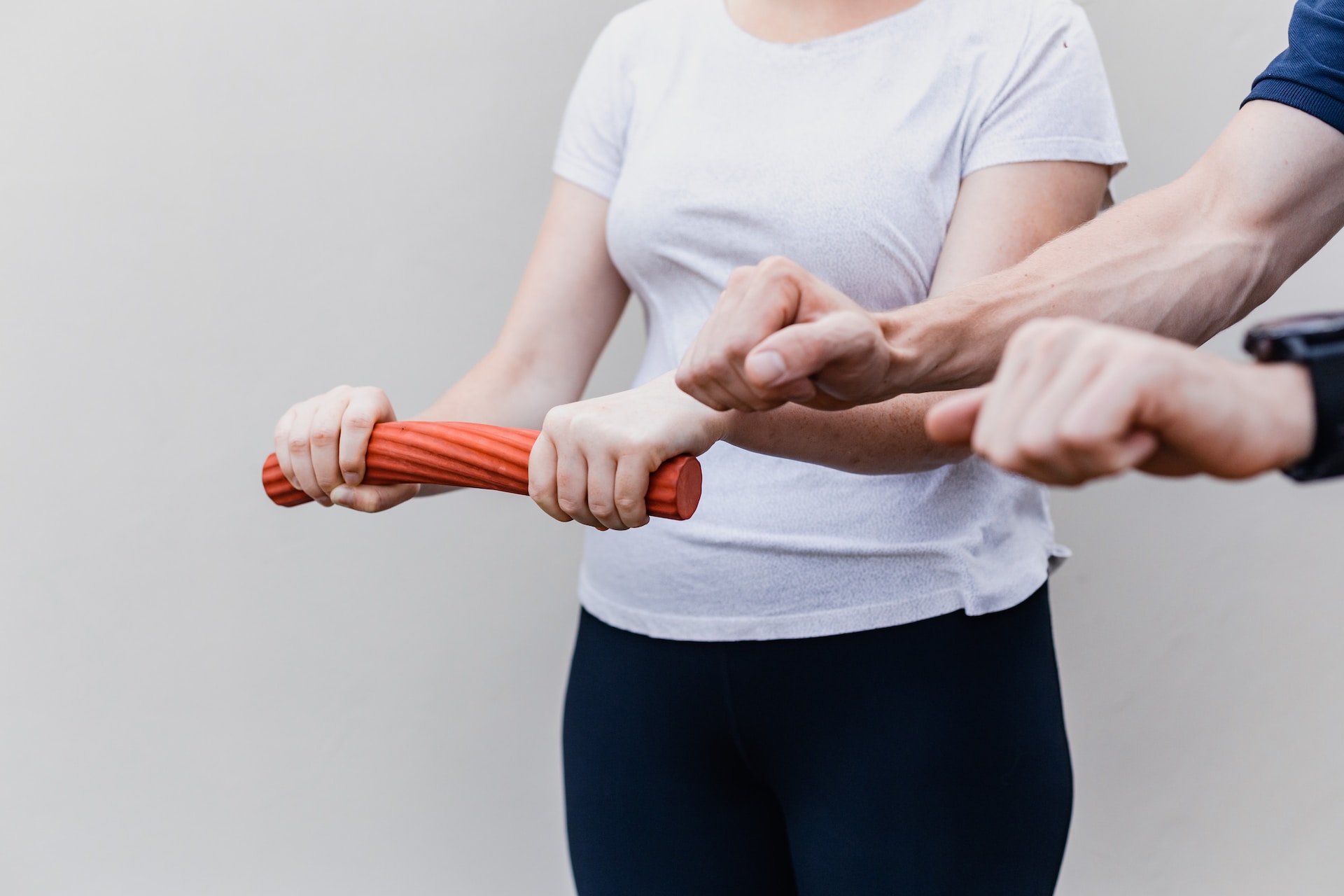
5 Steps to Become a Physical Therapist
After soul-searching about your dream career, you might wonder how to become a physical therapist. Physical therapists have years of education, experience and licensure to do their job. Here are five things you need to prepare for to be a PT.
1. Receive an Undergraduate Education
Prospective PTs begin their education journey with a bachelor’s degree in a related field. Typical degree programs include health sciences, kinesiology or exercise science. Students gain foundational knowledge of human anatomy, biology and physiology throughout these courses.
Research potential doctoral programs you might want to enroll in while attending your undergraduate studies. The curriculums will provide you with prerequisites you can complete at the bachelor level.
2. Complete a Doctoral Program
After completing your bachelor’s degree, you must pursue a Doctor of Physical Therapy. These programs combine traditional coursework, research and applied learning to advance expertise in PT. Courses cover biomechanics, therapeutic exercise, pathology, endocrine, musculoskeletal, metabolic and pharmacology topics.
The lengths of these programs vary — however, most students spend 27.5 weeks completing the clinical component of their studies.

3. Get Licensed
All physical therapists must pass the National Physical Therapy Exam (NPTE) by the Federation of State Boards of Physical Therapy (FSBPT). The exam comprises 250 multiple-choice questions in five sections — scoring at least 600 on a 200–800 scale is considered “passing.” If you fail the NPTE and want to retake it, you are allowed three retakes maximum within any 12-month timeframe.
Physical therapists must also obtain state licensure to practice where they live. The FSBPT maintains a directory of each state’s licensing authority for you to determine your eligibility.
4. Gain Experience
After getting your license to practice, you should enroll in a clinical residency program. A clinical residency provides you with hands-on experience working with patients after your doctoral program. If you are interested, this is an excellent time to begin thinking about a PT specialty.
5. Become Board Certified
Physical therapists who have passed the NPTE, completed a residency program and logged at least 2,000 hours of clinical work qualify for board certification by the American Board of Physical Therapy Specialties (ABPTS).
As of June 2023, only 37,752 physical therapists are board-certified in advanced specialties. Those who obtain this prestigious certification demonstrate expertise in their practice and typically earn higher wages.

Physical Therapy Specialties to Consider
Many PTs choose to specialize in a particular area of the field. Depending on your interest, you might consider training in one of the following subfields:
- Electrophysiologic: A newer area of PT focusing on nerve and muscle damage after injury
- Oncology: Helps patients recover from cancer, such as managing pain, weakness and weak bones
- Orthopedics: Concentrates on strengthening the musculoskeletal system, including ligaments and tendons — treats tendonitis of the patellar tendon down the front of the leg
- Cardiovascular and pulmonary: Aids healing in patients with heart or lung conditions
- Neurology: Assists patients in healing from neurological events or injuries to the brain
- Pediatrics: Treats bodily condition in newborns to teenagers
- Geriatrics: Helps older adults with mobility issues, arthritis, osteoporosis or other musculoskeletal conditions
- Sports: Rehabilitates people affected by sports injuries
- Women’s Health: Treats pelvic pain, incontinence pre- and post-partum issues and other aches in women of all ages
Pelvic floor therapy (PFT), in particular, has become widely popular as more people have become empowered to take control of their pelvic muscle dysfunction and sexual health. However, PFT is not solely for women.
About 16% of men have a weak pelvic floor due to an overactive bladder, prostate surgery, heavy lifting, weight gain, rectal or bladder cancer and other causes. Yet, few men work as PFTs. Because of the intimate nature of PFT, some male patients may hesitate to seek treatment with a female therapist.
Specializing in this growing subfield could present plenty of work opportunities for a highly compassionate man who wants to become a physical therapist.

Tips for Becoming a Superstar PT
Practice makes perfect if you want to become a physical therapist. Providing the best care possible to your patients requires ample clinical experience and a passion for helping others. Here are some extra tips for stepping into your role as a superstar PT:
- Continue reading and researching the latest PT trends in treatments, equipment and exercises.
- Advance old and new skills by enrolling in training and ongoing learning courses.
- Perfect your communication skills to explain PT-related concepts to patients better.
- Develop empathy to understand your patients better.
- Contribute to advancing research in physical therapy.
- Share your knowledge and expertise by mentoring other physical therapists.
- Advocate legislation and public awareness in support of the physical therapy profession.
So, You Want to Become a Physical Therapist
Physical therapy is the perfect field for someone compassionate and eager to care for people. With many specialties and learning opportunities, you can set yourself up for success as a rockstar PT.