As an Amazon Associate, Modded gets commissions for purchases made through links in this post.
Knowledge is power, especially when it comes to your vehicle. Learning how to change your serpentine belt is a money-saving skill that puts you closer to becoming an empowered, self-reliant driver. You also get a newfound appreciation for your car’s inner workings.
Whether you’re looking to tackle this task or simply want to understand what your mechanic is talking about, you’ll be equipped with valuable insights to hack the task.
What Does a Serpentine Belt Do?
Your serpentine belt is the long, continuously winding rubber strap that snakes across many of the engine’s pulleys. Sometimes called the fan or drive belt, this nifty little motor part is partly responsible for your vehicle’s continued operation. It supplies energy generated in the engine to several essential systems in your car, including:
- Water pump: Circulates coolant to prevent your engine from overheating
- Alternator: Charges your battery, which keeps your electrical system running
- Power steering pump: Makes steering your car effortless
- Air conditioning compressor: Keeps you cool on hot days
Unlike older vehicles that require multiple belts for various tasks, the serpentine belt simplifies today’s engine design by combining them into one. The consistent loop layout efficiently transfers power across various accessories to keep your automobile running smoothly. Without a properly functioning serpentine belt, these systems would fail, leaving you with a car that’s difficult to drive or won’t run at all.
Serpentine Belt vs. Timing Belt
The serpentine and timing belts might seem similar, but they serve very different purposes in a car. The serpentine belt runs external equipment in a vehicle, such as power steering pumps, air conditioning compressors, and water pumps. In contrast, the timing belt keeps your engine’s crankshaft and camshaft in sync to ensure the valves open and close at the correct times.
Timing belts are hidden within the engine, but serpentine belts are visible and easier to replace. Both are important, but a timing belt failure can result in much worse damage than a serpentine belt problem.
Symptoms of a Bad Serpentine Belt
A failing belt can trigger serious problems like overheating, loss of power steering and even a complete engine shutdown. These bad serpentine belt symptoms tell you it’s time for a replacement:
- Squeals from the engine: A high-pitched squealing noise from the front of your car is often the first sign that your serpentine belt is wearing out. This noise typically occurs when the belt becomes misaligned or loses tension and is loudest during startup or acceleration.
- Visible wear and tear: The serpentine belt can develop cracks, fraying or glazing over time.
- Power steering and AC issues: If your serpentine belt fails, you may notice that your power steering becomes stiff or your air conditioning stops working. These are clear indicators that the belt is no longer functioning correctly.
- Overheating engine: The serpentine belt powers the water pump, which helps regulate your engine’s temperature. Your motor may overheat if the belt breaks or slips.
Spotting these symptoms early on allows you to replace the belt before it fails, avoiding the hassle and cost of emergency repairs.
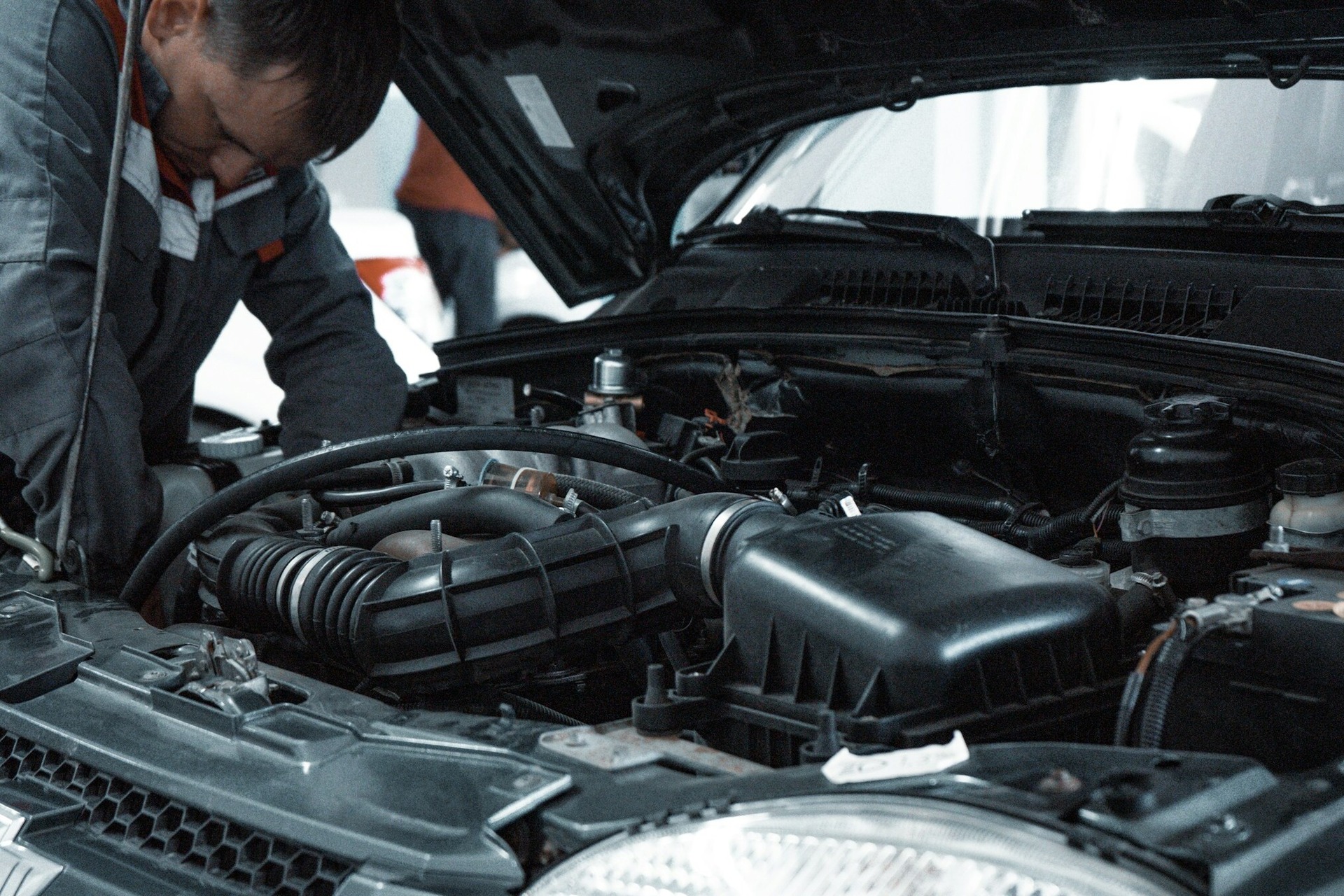
How to Change Your Serpentine Belt
Changing the serpentine belt might seem intimidating, but with the right tools and a bit of patience, you can do it yourself. After all, DIY car maintenance is rewarding and cost-effective.
Step 1: Gather What You Need
Ensure you have all the necessary tools and parts before starting:
- A new serpentine belt that matches your vehicle’s specifications
- Serpentine belt tensioner tool or a breaker bar
- A socket wrench set
- Safety glasses and gloves
- Flashlight or headlamp for better visibility
Step 2: Find the Serpentine Belt
Pop your car’s hood and identify the belt. It’s usually found at the front of the engine, threading around various pulleys. Make this easier by referring to the belt routing diagram, typically found under the hood or in your vehicle’s manual — its location can vary between different models. This diagram displays the right course for the belt to follow around the pulleys, which is crucial when installing the new one yourself.
Step 3: Release the Tension
The serpentine belt tensioner keeps the belt tight. This device maintains the proper tension to prevent it from slipping off the pulley system. You’ll need to release this tension to remove the old belt.
- Locate the tensioner. It’s usually a pulley with a spring mechanism attached.
- Use your socket wrench or belt tensioner tool to rotate the tensioner and loosen the belt.
Step 4: Detach the Old Belt
With the tension released, carefully detach the old belt. Take it off one of the pulleys while holding the tensioner in the released position. As you do this, note how the belt is routed around the various pulleys. You should take a picture or refer to the diagram to ensure you reinstall the new one correctly.
Before installing the new belt, compare it with the old one. It should be the same length and width. If there’s a noticeable difference, you may have the wrong belt, and it’s best to double-check the part number. This is also an opportunity to inspect the pulleys for debris or buildup and clean them.
Step 5: Replace the New Belt and Reapply Tension
Follow the belt routing diagram to loop the new belt around the pulleys. Ensure it is seated properly in each groove. Then, move the belt tensioner back and slip it over the last pulley. Slowly release the tensioner to apply tension to the new belt.
Rotate the tensioner pulley again and slide the belt over the final pulley. Release the tensioner slowly to ensure the belt is properly seated and tensioned.
Finally, double-check that the belt is aligned with all the pulleys and that there’s no slack. If you disconnected the battery earlier, reconnect it. Start the engine and observe the belt for a few minutes to ensure it’s functioning correctly without any slippage or serpentine belt squeals.
It’s easier to fit the belt over the grooved pulleys first and then slide it over the smooth pulley last.
What if the Belt Doesn’t Fit?
Don’t force the replacement to fit if you’re having trouble. Double-check the routing if it seems too tight or loose, as incorrect routing can cause the belt to misalign. If everything is correct and the belt still doesn’t fit, you may have the wrong size, and it’s worth revisiting the store for a replacement.

Safety Precautions to Observe
Changing a serpentine belt is a manageable maintenance routine for DIY enthusiasts, but safety should always be your top priority. Park on a level surface before working on your car and engage the parking brake to stop movement.
Before beginning, ensure the engine is completely cool to avoid burns from hot components. Always wear safety gloves and eye protection, as working under the hood can expose you to sharp edges, debris or sudden movements of components. Also, disconnect the battery to prevent the risk of electrical shock or accidental engine startup. Remove the negative terminal first.
Use the correct tools for the job, such as a serpentine belt tool or wrench, to safely release tension from the belt tensioner. Keep your hands and tools clear of moving parts, and never force the belt onto the pulleys — if properly routed, it should slide on with minimal effort.
Observe the belt routing diagram to ensure it’s installed correctly. A misrouted belt can damage the engine or cause other components to malfunction. Once installed, double-check that the belt is properly seated on all pulleys and that the tensioner has engaged correctly before starting the engine.
Take your time. Rushing increases the risk of mistakes or injuries. Take a break if you feel frustrated. Finally, know your limits. If you’re unsure about any step in the process, don’t hesitate to seek professional help. It’s better to be safe than sorry.
Serpentine Belt Replacement Cost
The good news is that serpentine belt replacement is generally one of the more affordable maintenance tasks for your car. However, the cost can vary significantly based on your vehicle type, brand and quality of the belt, additional repairs, and whether you choose to do it yourself or hire a professional.
The cost ranges from $35 to $150 on average. A DIY replacement could cost less if you’re handy with tools, making it an affordable and rewarding project for car enthusiasts.
However, labor costs will be significant if you opt for a professional replacement. Mechanics typically charge per hour or half-hour, which can bring the total cost to up to $200. Vehicles with more complex engine designs or those requiring special tools may incur higher prices. Additionally, much like the tires, the belt quality will impact the overall cost. High-quality belts made from advanced materials might be more expensive upfront, but they often last longer and perform better under extreme conditions.
Maintenance Tips
Here’s how to keep your serpentine in good shape and minimize the frequency of replacements.
How Long Does a Serpentine Belt Last?
Most serpentine belts are designed to last between 60,000 and 100,000 miles, but the exact duration varies depending on several factors. Your belt’s life span is determined by:
- Vehicle make and model: Some car designs put more stress on the serpentine belt than others.
- Belt quality: Higher-quality belts tend to last longer than cheaper alternatives.
- Driving conditions: Extreme temperatures, dusty environments and frequent stop-and-go driving can wear out your belt faster.
- Improper installation: A belt that’s too tight or too loose will wear out more quickly.
- Maintenance habits: Regular inspections and promptly addressing issues extend your belt’s life.
Modern serpentine belts are made of ethylene propylene diene monomer (EPDM) rubber. This material is more durable than the traditionally used neoprene rubber and doesn’t show obvious signs of wear like cracking, making regular professional inspections even more important.
Remember, it’s always better to replace your serpentine belt proactively rather than waiting for it to fail. Many mechanics recommend replacement around 60,000 miles as a preventive measure.
What Happens When a Serpentine Belt Breaks?
A broken serpentine belt can have severe consequences that will likely leave you stranded. Without it, the alternator won’t charge the battery, the power steering will fail and the engine will likely overheat. Your car will become inoperable until the belt is replaced. Replacing it at the first sign of trouble is best to avoid unplanned downtime.
How to Extend the Life of Your Serpentine Belt
Extend the life of your serpentine belt in the following ways:
- Regular inspections: Check your belt during scheduled oil changes or every few months. Assess for signs of wear, such as cracks, fraying and glazing on the belt’s surface.
- Avoid contaminants: Keep oil, coolant and other fluids from spilling onto the belt, as these can deteriorate the rubber faster. Fix leaks promptly to protect your belt.
- Replace tensioners if necessary: The tensioner wears out over time and can cause engine issues. A damaged tensioner causes the belt to slip or wear unevenly. Replace it if it’s no longer functioning properly.
- Stick to the maintenance schedule: Follow your vehicle’s maintenance schedule and replace the serpentine belt as recommended in the manufacturer’s manual or sooner if you notice signs of wear.
While putting off this repair to save money might be tempting, a failing serpentine belt can lead to much more expensive problems if it breaks completely. Regular replacement is a cost-effective way to maintain your vehicle’s health and prevent unexpected breakdowns.
DIY Belt Change Done Right
By now, you should be confident in your ability to recognize, maintain and replace a worn-out serpentine belt. This equips you to handle one of the most important aspects of car maintenance. Just remember to consider upfront project costs and observe all safety precautions. While it’s great to manage tasks like changing a serpentine belt on your own, never underestimate the value of professional help when needed.