As an Amazon Associate, Modded gets commissions for purchases made through links in this post.
You’ve probably seen it on TikTok or YouTube: men taping their mouths shut before bed. Some swear it helps them sleep deeper, snore less, and even sharpen their jawline. Others call it a wellness gimmick or a straight-up health risk.
Mouth taping is one of the latest sleep hacks taking over nightstands and #sleepbetter feeds. The big question is simple: does mouth taping actually work, or is it another trend that sounds better online than in real life?
What Is Mouth Taping?
When you breathe through your mouth instead of your nose, especially while sleeping, it can lead to a bunch of unpleasant issues — dry mouth, snoring, bad breath and even fatigue. Nose breathing, on the other hand, filters and humidifies air, regulates airflow and helps maintain oral health.
At its core, mouth taping is precisely what it sounds like — taping your mouth shut before bed to encourage breathing through your nose. The idea is rooted in the belief that nasal breathing improves overall health, especially while you sleep.
Popularized through wellness influencers and biohackers, mouth taping has been linked to practices like the Buteyko Method, which promotes controlled nasal breathing for better oxygen uptake and reduced stress.
The goal of mouth taping is to retrain your body to default to nose breathing, especially if you’ve gotten used to bad posture and sleeping with your mouth open, both of which cause a reduction in breathing. It’s the less judgmental version of your partner’s finger pushing your lips shut when you start rasping.
So the theory goes: tape your mouth shut, force your body to use the nose instead, and wake up feeling better rested, more alert, and less groggy.
Why Are People (Especially Men) Trying It?

If you’ve spent time in the men’s wellness rabbit hole online, you’ve probably seen mouth taping trending hard. Biohacking forums, Reddit threads and TikTok videos are all buzzing with guys claiming better sleep, clearer minds and fewer snores thanks to a simple piece of tape.
The appeal is straightforward: it’s low-cost, low-effort and taps into that classic “optimize everything” mentality. Men are turning to mouth taping as a sleep upgrade, energy booster and — believe it or not — even a jawline enhancer. Some proponents say nose breathing helps define the jaw and support better facial symmetry.
This TikTok hack has limited scientific data backing it up, and many studies into oral taping suggest potential harm from the practice. A few small studies with only 20 participants and several anecdotal reports suggest some real benefits for certain people — especially men who snore, wake up feeling wrecked or deal with dry mouth.
Then there’s the snoring factor. Partners of loud sleepers have joined the fan club, too, swearing that taping has changed their nights and relationships. It’s also gaining traction with fitness guys looking to boost oxygen intake, reduce inflammation and recover better.
In a world where many men are finally investing in their well-being, mouth taping seems masculine, minimalist, and performance-driven.
Everything Mouth Taping Is Meant to Help
Here’s what people say mouth taping helps with:
- Snoring: Keeping your mouth closed may help reduce snoring if you’re a mouth-breather at night. It will also help limit drooling and dry mouth, which is a plus.
- Better sleep quality: Nose breathing promotes deeper, more restful sleep. It’s said to calm the sleeper by reducing “panting” behavior. Making it part of your regular nighttime routine can help you get the required hours of rest.
- Oral health: Less dry mouth means fewer cavities, less bad breath and a lower chance of gum disease. Plus, your partner will appreciate not waking next to the swamp creature every morning.
- Airway health: Breathing through your nose helps remove allergens such as pollen, so mouth tape, like a respirator, can help reduce the particles that get into your throat.
- Reduced brain fog: Some small studies link mouth breathing with poor working memory and reduced mental performance. So when you breathe through your nose, you think more clearly.
- Improved facial structure in kids: Chronic mouth breathing can affect their face and jaw development. In adults, it’s more complicated — as you’ll discover later.
What the Science Says
Let’s get one thing straight: mouth taping isn’t total pseudoscience, but it’s not exactly mainstream medicine either. While large-scale clinical trials are lacking, a few small studies and expert opinions suggest it can be effective in specific cases.
A 2022 study found that participants with mild obstructive sleep apnea who taped their mouths at night experienced reduced snoring. ENT specialists and sleep doctors have also noted that for habitual mouth breathers, mouth taping might retrain the body to favor nasal airflow — something that can lead to better oxygen regulation and potentially deeper sleep.
Don’t get too excited just yet, though. Experts caution that mouth taping isn’t a cure-all. It’s not suitable for everyone, especially those with nasal blockages, allergies or underlying respiratory issues. And if you have undiagnosed sleep apnea, taping your mouth could actually be risky.
The bottom line is that some science supports the trend, but it’s not a substitute for medical advice regarding proper sleep testing.
Researchers and clinicians also warn that mouth taping can mask symptoms of underlying issues like obstructive sleep apnea rather than treating the root cause.
Pros and Cons of Mouth Taping

Like most wellness trends, mouth taping isn’t all upside. While some guys swear by the results, others find it uncomfortable — or downright sketchy. Here’s a breakdown.
The Pros
- May improve sleep quality: Nasal breathing supports deeper, more restful sleep.
- Can reduce snoring: Several users and small studies report a significant drop in snoring.
- Supports oral health: Less mouth breathing means less dry mouth, cavities and bad breath.
- Noninvasive and affordable: No gadgets or subscriptions required — just tape.
The Cons
- Not for everyone: Taping your mouth can make nasal congestion, allergies, or a deviated septum worse.
- Skin irritation, depending on tape type
- Feels awkward at times: Some users report anxiety, panic or discomfort, especially early on.
- Worsened sleep due to discomfort
- It can be dangerous for people with undiagnosed sleep apnea: Restricting airflow without medical guidance is a bad idea.
- Not a magic bullet: If you’re chronically sleep-deprived or dealing with stress, taping won’t solve everything.
How to Try Mouth Taping Safely
If you’re interested in giving mouth taping a shot, there’s good news. It doesn’t require much gear, just some common sense and skin-safe tape. Here’s how to start:
- Talk to a doctor or dentist first: Especially if you snore, wake up tired or have any breathing issues. You need to rule out sleep apnea or nasal obstruction first.
- Choose the right tape: Look for hypoallergenic options like micropore medical tape or dedicated mouth taping brands like Somnifix.
- Test it before using: Try taping your mouth for 10-15 minutes while reading or watching TV. That’ll help you get used to the sensation.
- Keep it breathable: You don’t need to seal your lips shut like a hostage. A small strip vertically over the center of your lips often does the trick.
- Make sure your nose is clear: If you can’t breathe comfortably through your nose, skip it. Seriously.
- Never use duct tape or packing tape: Seems obvious, but the internet has seen worse.
- Stop if it feels wrong: Anxiety, trouble breathing, or poor sleep are all good reasons to stop. Don’t push through. Your body knows best.
Pair it with proper sleep hygiene and you might just find it’s the low-effort upgrade your nights were missing.
Best Mouth Tapes to Try
If you’re going to give it a shot, these brands get decent reviews for comfort and safety:
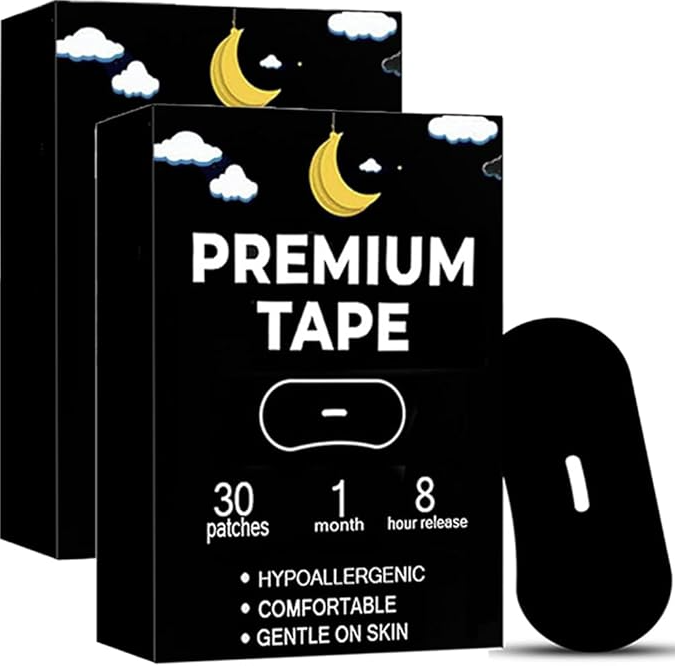
1. Heronlink Micropore Tape
The shaped mouth tape sections feature a mouth vent for easy breathing while keeping your lips closed. The cotton adhesive tape is comfortable to remove, stays in place and can be used for other purposes on skin without fear of harming the dermal layers.
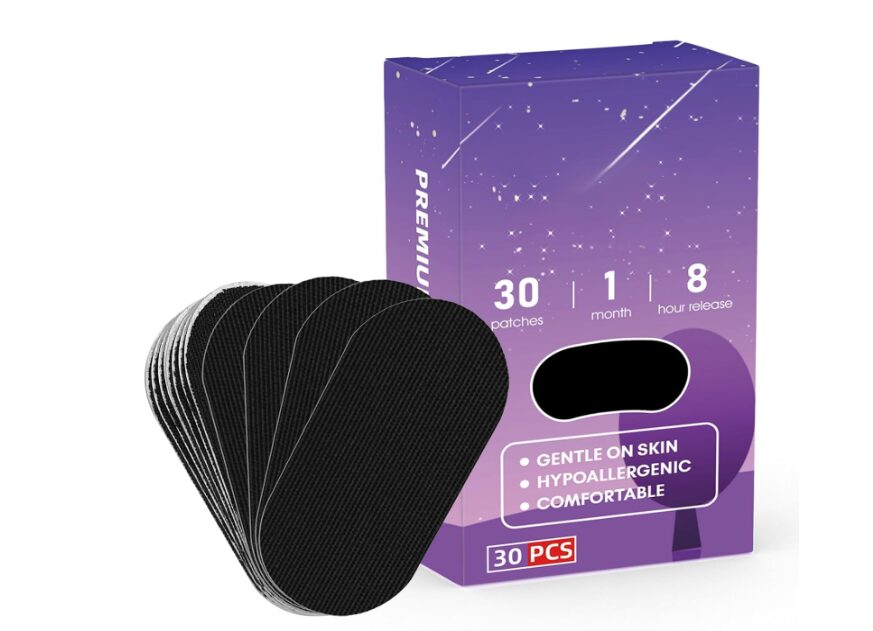
2. HOYIGO Black Drafting Tape
These strips offer eight hours of peaceful sleep for those for whom mouth taping works. and They’re soft enough to remove without ripping your skin. The elasticated material is like a sports wrap, applying easily to the lips. You can also cut a breathing vent to meet your needs with the middle partition.
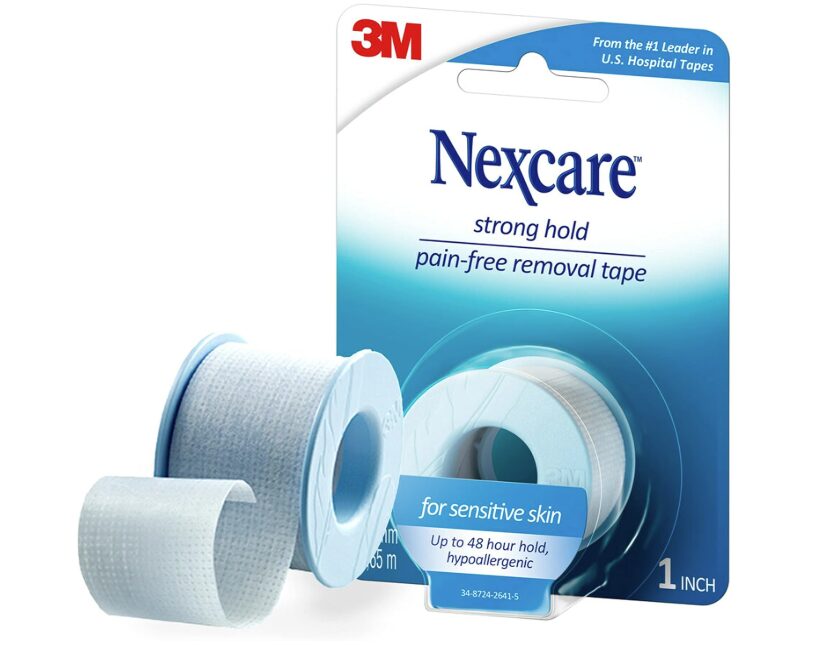
3. Nexcare Strong Hold Pain-Free Removal Tape
If you want a customizable option, this wound tape is ideal. It’s an easy-on and easy-off option that has enough hold to stay over your mouth when applied correctly. Cut vents or apply in a cross-fashion for extra hold.
Mouth Taping Alternatives
Not sold on taping your face shut? Fair enough, try these instead:
- Nasal strips: These open your nasal passages and support nose breathing
- Side sleeping: Can reduce snoring and improve sleep apnea symptoms
- Chin straps: Designed to keep your mouth closed without sealing your lips
- Treat your allergies: Nasal congestion from allergies is a top cause of mouth breathing
- Tongue and jaw exercises: Orofacial therapy helps train your mouth and jaw muscles for better breathing posture
So, Does Mouth Taping Work?
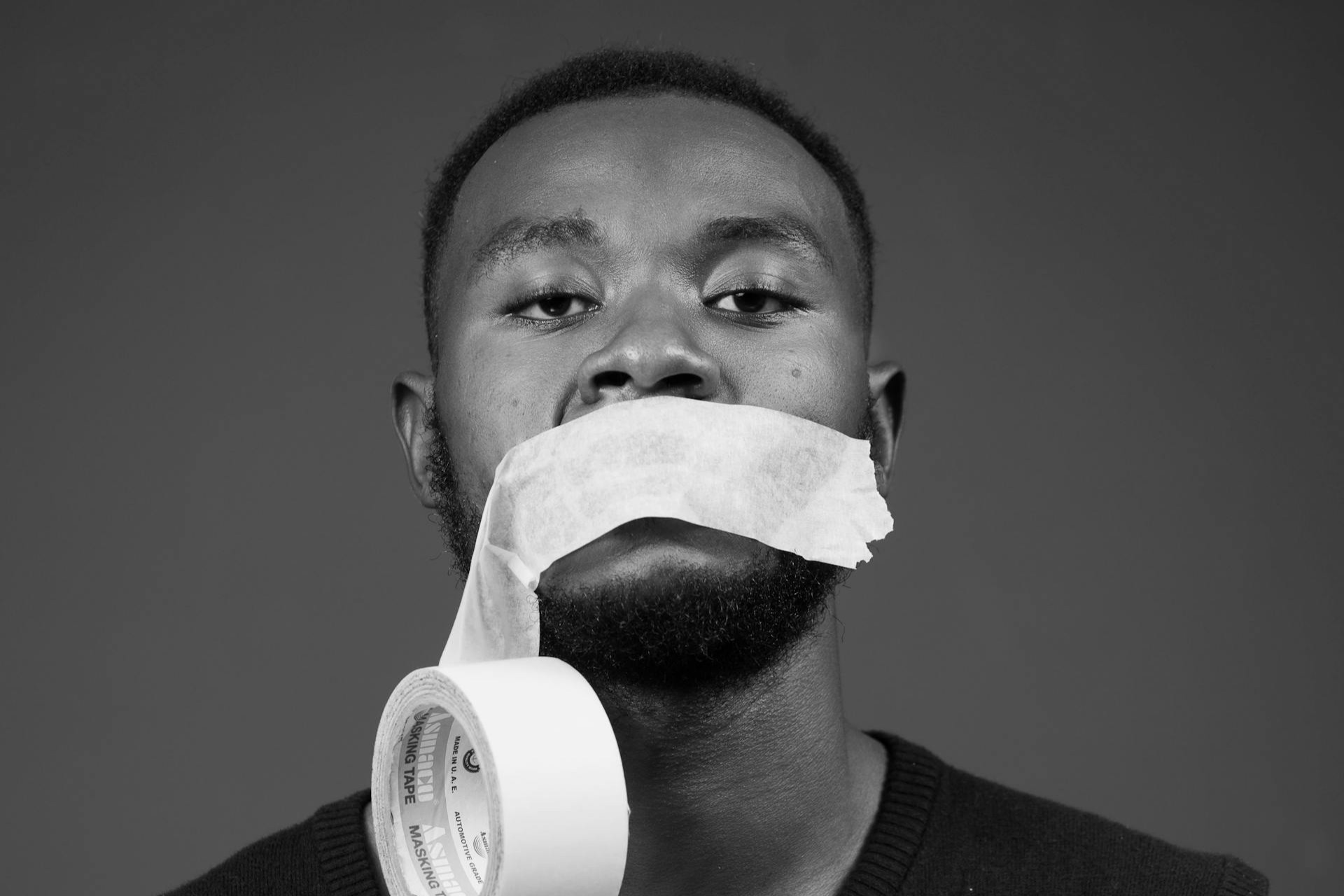
So, does mouth taping actually work? The short answer is: it depends on you. If you’re a light snorer, a mouth breather, or just curious about optimizing your sleep, taping might help. Plenty of guys report better rest, more energy and even improved mood after switching to nasal breathing at night. And honestly, it’s a small, low-cost experiment with potentially decent rewards.
However, if you have chronic nasal issues, respiratory conditions, or suspected sleep apnea, you should not attempt to treat them without a doctor’s approval. Sleep is too important to gamble with.
Think of mouth taping like a cold shower or intermittent fasting. Simple, hyped, and potentially helpful, but not a miracle cure. Be smart, listen to your body, and remember: if a piece of tape is the biggest wellness risk you’re taking, you’re probably doing okay.
Does Mouth Taping Improve Your Jawline?
Let’s just say it. No, taping your mouth shut won’t chisel your jaw overnight.
Social media makes a lot of claims, but there’s zero evidence that mouth taping directly changes the facial structure in adults. That said, consistent nose breathing and better tongue posture may support facial muscle tone and help you stop the drooped-jaw look that sometimes comes with mouth breathing and middle age. But that’s about as far as it goes.
If you want to improve your jawline, focus on posture, reduce body fat and maybe look into orofacial myofunctional therapy. Alternatively, grow a heart-shaped beard to define your chin more.
FAQs
Does Mouth Taping Stop Snoring?
It might, if your snoring is due to mouth breathing. But if your snoring is caused by sleep apnea or blocked nasal passages, it won’t fix the problem.
Is Mouth Taping Safe?
Only if you can breathe easily through your nose. It’s not recommended for people with sleep apnea, sinus issues or nasal obstructions.
Can Mouth Taping Help With Bad Breath?
Maybe. Dry mouth from sleeping with your mouth open can cause morning breath. Mouth taping might help keep things moist, but brushing and flossing still do the heavy lifting.
How Long Before I See Results With Mouth Taping?
If it will help, you’ll likely notice within a few nights. But long-term effects, like better sleep or reduced snoring, can take weeks.
Can Mouth Taping Help With Mouth Breathing Habits During the Day?
While it can’t directly control your mouth unless applied, mouth taping can raise awareness of when your lips are open. If your mouth unconsciously opens during the day, you may have an underlying issue that requires treatment or correction. Encourage daytime habits like proper tongue posture and nasal breathing exercises to retrain your mouth instead of relying on the tape alone.
Seal the Deal
Mouth taping might help you snore less, breathe better and sleep deeper — but it’s not for everyone. If you’re healthy, curious and can breathe clearly through your nose, it’s worth a safe test run. Just don’t expect miracles and definitely don’t skip medical advice if something feels off.