As an Amazon Associate, Modded gets commissions for purchases made through links in this post.
The world feels slightly unhinged — from inflation to widespread layoffs and even the rise of artificial intelligence. It’s no wonder that so many are on edge. Although people of all ages and genders can experience anxiety, these challenging situations can impact men differently. These pressures can elevate stress levels and disrupt your state of mind, making it harder to stay grounded.
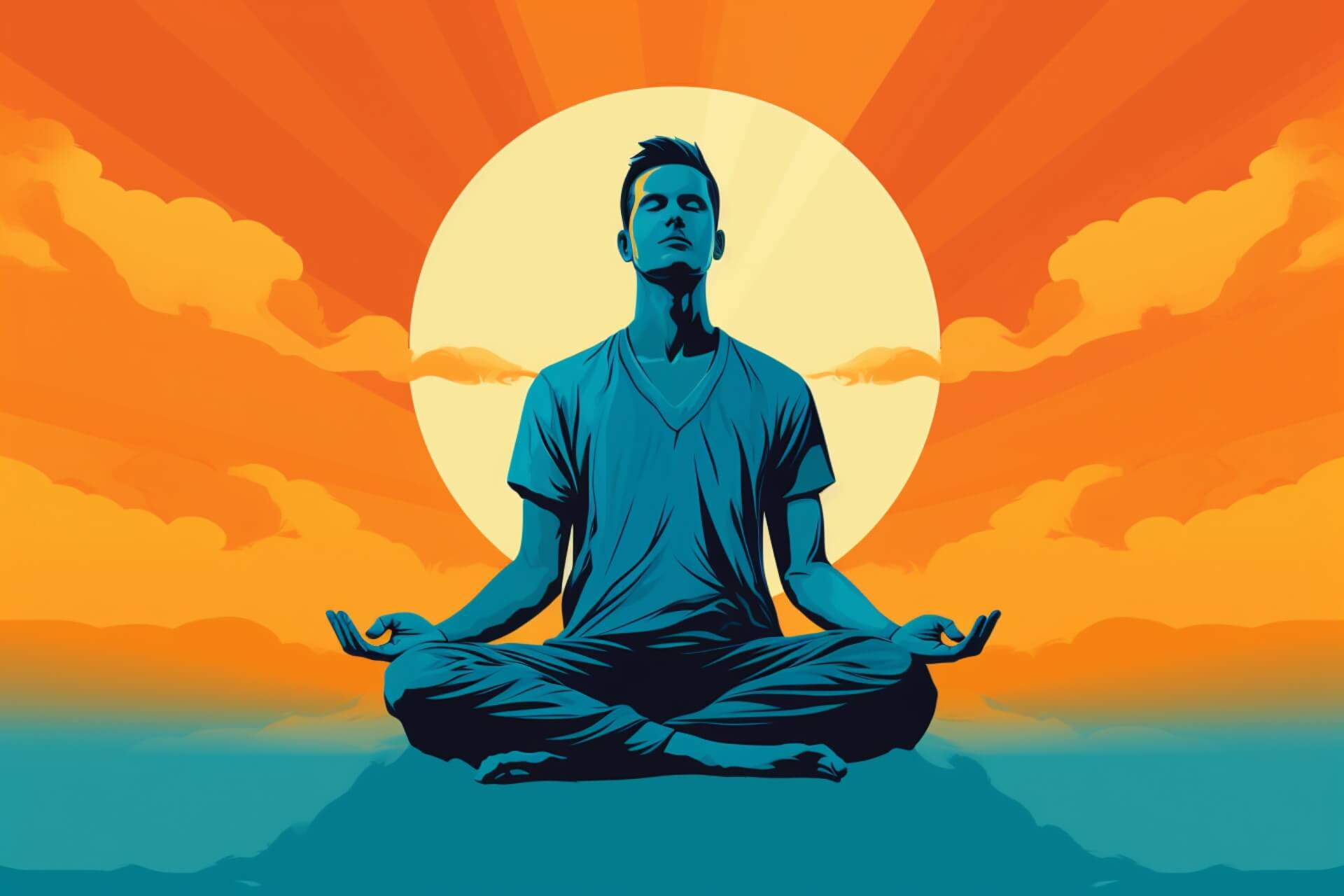
Fortunately, starting a mindfulness practice relaxes the mind and body and helps you cope better with everyday stressors. Here’s everything you should know about meditation for men.
Fighting Stereotypes: Men and Mental Health
Consider this: About 6 million men have depression annually, while over 3 million suffer from panic attacks. The World Health Organization (WHO) also says that more than twice as many men die from suicide as women — a rate more prevalent in high-income nations like the United States.
Yet, men often resist seeking professional help or therapy to treat their mental health problems. In fact, women are 1.6 times more likely to ask for help. Why is this? For one thing, society has long stereotyped men as weak when they discuss their feelings.
There was also the long-standing belief that only deeply troubled individuals sought therapy — a misconception that discourages many men from exploring mindfulness meditation or other mental health tools.
What’s on a Man’s Mind?
One might wonder what men worry about the most. Some of their most significant concerns include the following:
- Whether they come across as “manly” enough
- Finances — budgeting essential expenses and managing money flow
- Working their way up the career ladder, such as earning bonuses or getting promoted
- Relationships and breakups — this includes sexual performance
- Becoming a dad — for instance, communicating parenting styles with a spouse and sorting out childcare
- Male infertility
- Health concerns
hese worries often build up over time, and without proper stress management, they can affect both mental and physical well-being.
Whatever fears and worries you hold about the future are valid and essential. While you should always pursue care and treatment from a mental health specialist, there is one way you can take control and help yourself find some serenity: Meditation.
Whether you’re a man at work juggling deadlines or a father navigating family responsibilities, meditation can offer meaningful relief.
Types of Meditation for Men
There are several types of meditation for men to choose from, including the following practices:
- Guided meditation: A practice led by a meditation guide that enables you to visualize relaxation and your intention
- Mantra meditation: Repeating a word or phrase in your mind for greater focus
- Body scan meditation: A guided practice that helps you focus attention on different areas of the body, promoting relaxation and awareness
- Yoga: Doing different poses and stretches to promote calmness
- Qi gong: A combination of meditative breathwork and slow movements for balance
- Tai chi: A series of slow, continuous actions while deep breathing
Other helpful approaches include loving-kindness meditation, transcendental meditation and mindfulness-based stress reduction, each offering unique health benefits.
Of course, meditation encourages mindfulness, which can help you savor experiences and sensations, such as the way the sun feels on your skin or the different flavors when you bite into something. Even simple techniques like sky gazing or a short meditation session during your lunch break can help reset your nervous system and improve your attention span.
Meditation for Men: 5 Steps to an Effective Practice
What’s nice about meditation is that everyone can participate — you don’t need a specific skill or athleticism to reap the benefits of mindfulness practice. Here are five steps to get started with a simple meditation for men.
1. Find a Quiet Place
As a beginner practitioner of meditation, you’ll quickly learn that location matters. Although you may one day be able to fall into a meditative state while surrounded by chaos, a serene environment is best.
Set up a space in your bedroom or the corner of your living room. You can also choose to meditate outside on the lanai or in the garden. Creating any dedicated meditation space, even a small corner, can enhance your ability to stay present and calm.
2. Get Rid of Distractions
Leave your phone and other devices turned off or in another room. The fewer distractions you have, the better opportunity to get the most out of your practice. It’s highly disruptive to finally relax your mind and body only to get several notifications. A Reviews.org study found that 47% of Americans are addicted to their phones.
Additionally, try to meditate when you’re alone. It’s equally distracting when people are walking around and making noise. Respecting your privacy choices during practice helps maintain a peaceful environment and supports deeper mindfulness meditation.
3. Sit Comfortably
Get into a comfortable position — sitting cross-legged on the floor or in a chair is ideal. Although you can always lie on your back, you’ll want to avoid falling asleep during meditation.
While sitting, ensure your back is straight and that you drop your shoulders. A couple of gentle neck rolls and stretches is an excellent way to relax your body entirely. This physical ease supports meditation mindfulness and helps regulate your stress levels.
4. Close Your Eyes
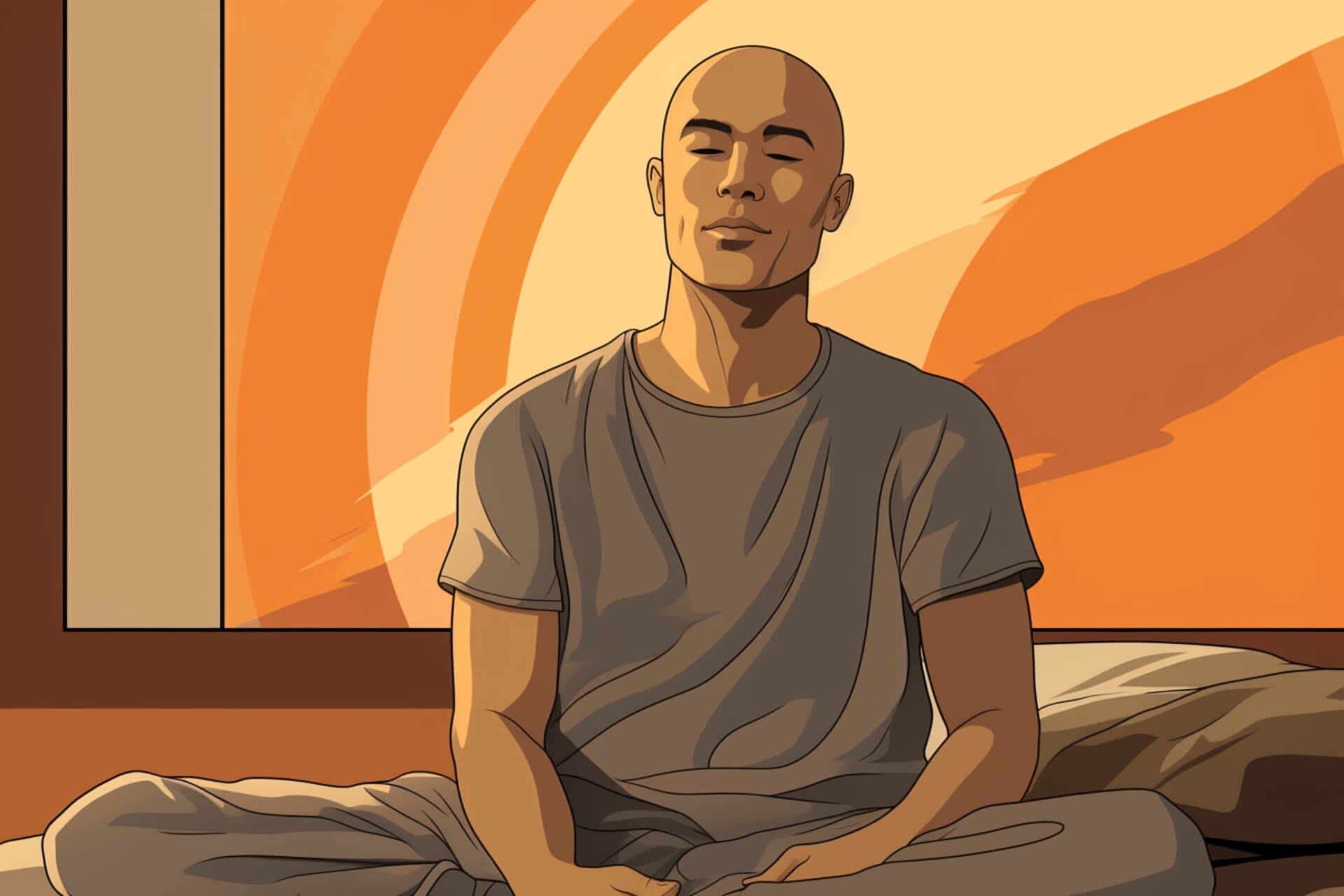
Closing your eyes is another way to shut out distractions and increase concentration. When you close your eyes, you can better visualize your intention for the meditation and reduce more stressful thoughts.
Think about it this way: When you close your eyes, you look inward, allowing you to step back from your daily stressors on the outside. Visualization techniques can deepen your experience and reinforce your intention.
5. Remember to Breathe
Of course, the most crucial part of effective meditation is breathing. Breathing exercises are essential for calming the nervous system and supporting heart health.
Rhythmic breathing promotes rest. Some might consider breathwork a way your body recovers from the fast-paced, stressful life you may lead.
Take a couple of deep breaths as you begin your practice. Then, as you settle into a meditative state, breathe normally.
Benefits of Meditation for Men
Starting a meditation practice has many rewards for men undergoing significant amounts of pressure at work and home. Taking a few minutes daily to breathe, reflect and quiet your racing thoughts is one of the best ways to improve mental health outcomes. Whether you’re a mindful man seeking clarity or a meditation guide helping others, the benefits are far-reaching.
Some of the benefits of meditation for men include things such as the following:
- New perspectives on anxiety-inducing situations
- Coping mechanisms to handle stress
- Greater focus on the present moment
- Improved sleep quality
- Decreased negative emotions
- Enhanced creativity and innovation
- Lower blood pressure
- Better stress management and emotional resilience
- Improved meditation life balance and overall well-being
Recent studies have even found that meditation could lower cardiovascular disease risk factors, making it a viable intervention for heart patients. Other studies have also suggested that meditation can reduce diabetes, pain, asthma, headaches and irritable bowel syndrome. According to the New York Times, even elite athletes like Steph Curry use meditation techniques to stay mentally sharp and focused.
Always speak with your health practitioner about any medical problems you may have. Meditation should never replace medical treatment but instead, supplement your management of mental and physical health problems.
Meditation Is a Personal Practice
It’s important to remember that your meditation practice is your own — try not to worry about whether you are doing it correctly or not. You can create a daily meditation routine or practice every few days. All that really matters is that you feel relaxed and renewed afterward. There’s no single meditation thing that works for everyone — experiment with different meditation techniques to find what suits you best.
Originally posted 5/27/2023 – Updated 8/21/2025