As an Amazon Associate, Modded gets commissions for purchases made through links in this post.
You’ve probably chugged a shake in the locker room because someone swore your gains would vanish without it. Timing has fueled gym debates for decades, and the latest research gives a calmer answer than most guys expect. Your daily total does the heavy lifting, while the clock works as a smaller lever you can pull for specific goals.
Should I Eat Protein Before or After a Workout? What the Research Says
The short answer is that both work—a 2025 systematic review compiled five trials comparing protein taken before training with protein taken after training. The researchers found no meaningful difference in lean mass between the two approaches, and chest press strength appeared about the same in either case. The authors rated the quality of the evidence as low, so no one is calling the debate closed. Still, the pattern aligns with what many lifters notice in real gyms.
One 2024 trial makes the point well. Researchers enrolled 40 resistance-trained men in an 8-week lifting program with a daily protein target of 2 grams per kilogram of body weight. One group drank whey right before and right after each session. The other took the same shakes about three hours on either side. Both groups built similar muscle and strength, and the authors credited total daily intake for the results. The “anabolic window” you’ve heard about looks a lot wider than the locker-room version.
Why Your Daily Protein Total Matters More
If timing plays a supporting role, the lead belongs to how much protein you eat across the whole day. A 2022 meta-analysis found that lifters under 65 who consumed at least 1.6 g/kg of protein daily gained more lean mass than those who consumed less.
Strength follows a similar curve. A separate 2022 dose-response analysis found strength gains climbed steadily up to 1.5 g/kg per day, then flattened out.
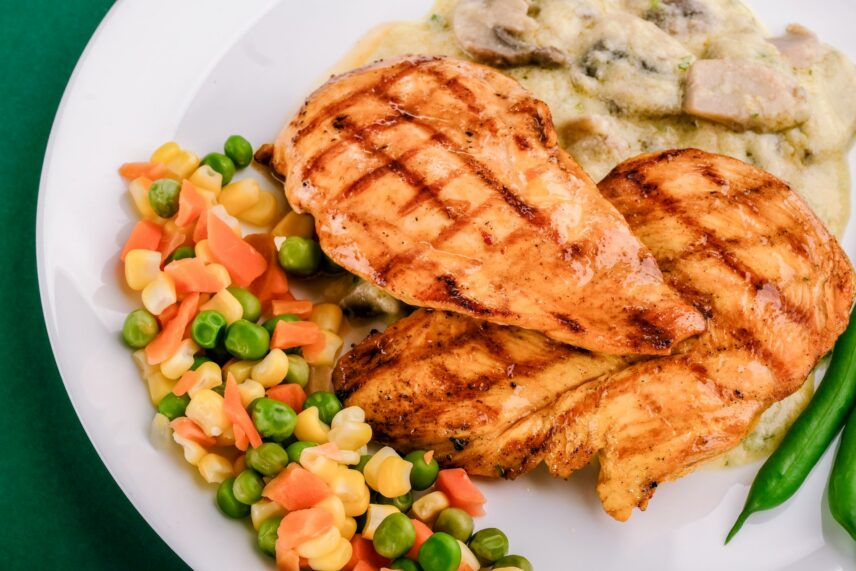
Hitting that number gets easier when protein shows up at every meal rather than in one big push at night. Eggs at breakfast, chicken at lunch, fish or ground turkey at dinner and a shake when the day runs long will get most men there without much thought. Track your intake for a week or two and the gaps show up quickly.
Put that into real numbers. A 90-kilogram man lands somewhere around 135 to 145 grams of protein a day. That works out to roughly 35 grams across four meals. If you’re leaning out at the same time, clear protein goals for weight loss help you keep muscle while the scale drops.
When Protein Before a Workout Makes Sense
Pre-workout protein earns its place when you train early or on an empty stomach. If your last meal was dinner the night before, you walk into the gym after 10 hours or more without food. A small serving of protein 30 to 60 minutes beforehand gives your muscles amino acids to work with during the session, and it sits easier than a full plate.
Picture a guy who lifts at 5:30 a.m. before his commute. A cup of Greek yogurt or half a scoop of whey in milk is enough for him without the heavy feeling a big breakfast brings. He eats a proper meal once he’s showered and at his desk.
There’s one more reason to keep pre-workout protein in rotation. The same 2025 review reported greater leg-press strength gains when protein intake preceded training. That signal came from just two studies, so treat it as a promising lead rather than a rule.
When Protein After a Workout Makes Sense
Post-workout protein is the classic move for good reason. Training breaks muscle down, and protein afterward tilts the balance back toward building. A 2023 study out of Maastricht University put this to a serious test. Researchers gave trained men zero, 25 or 100 grams of protein after a full-body session. The 100-gram dose sustained muscle-building effects for more than 12 hours, far longer than the 25-gram serving.
That finding matters if you tend to skip lunch and eat one big dinner after training. A large protein meal still gets put to work, so it’s far from wasted.
Recovery is the other payoff. A recent meta-analysis found protein around training reduced strength loss after hard sessions in young men, which helps you hit the next workout closer to full strength. Pair that with solid sleep and hydration and you’ve covered the core habits for faster muscle recovery most coaches preach.
Protein Before Bed Counts Too

Sleep is the longest stretch you go without food, which makes the last snack of the night a quiet opportunity. A 2023 randomized trial found that protein taken before bed raised overnight muscle protein synthesis after an evening endurance session. Whey and casein performed about the same, so whichever tub sits in your cupboard does the job. Cottage cheese or a glass of milk works too if you’d rather eat than drink your protein. Treat it like any other meal and have it about 30 minutes before lights out.
Build a Protein Plan Around Your Training Schedule
Your calendar shapes your timing more than any single study does. Here’s how three common setups play out:
- The dawn lifter. A light protein snack before the gym, then a 35- to 40-gram breakfast afterward.
- The lunch-break lifter. A protein-heavy breakfast, a quick shake or chicken wrap after training and a normal dinner.
- The evening hybrid athlete. If you mix runs and lifts the way most hybrid athlete training plans call for, eat a solid dinner after the session and add protein before bed.
Across all three, spread protein over three or four meals and treat shakes as a backup rather than the base. Whole foods bring fiber, vitamins and fullness that powder skips. If you like structure, a few protein-based diets worth knowing about can give your week a framework, as long as they leave room for the carbs that fuel your training.
Shake on It
Eat protein before or after your workout, whichever fits your morning, your stomach and your schedule. The research keeps pointing to the same place. Hit roughly 1.6 grams per kilogram a day, spread it across a few meals and treat timing as a fine-tuning tool. Keep a shake handy for busy days and let real food do most of the work. Your muscles care far more about consistency than the clock.