As an Amazon Associate, Modded gets commissions for purchases made through links in this post.
Most people see a tornado warning and head for the basement. You might be the type who grabs the car keys instead. If you’re wondering how to become a storm chaser, you’re probably wired differently than most, feeling an almost defiant pull toward something others flee from. But why? The practical path to this career or hobby is surprisingly accessible, but the deeper question is what storm chasing psychology reveals about who you are.
4 Steps to Becoming a Storm Chaser
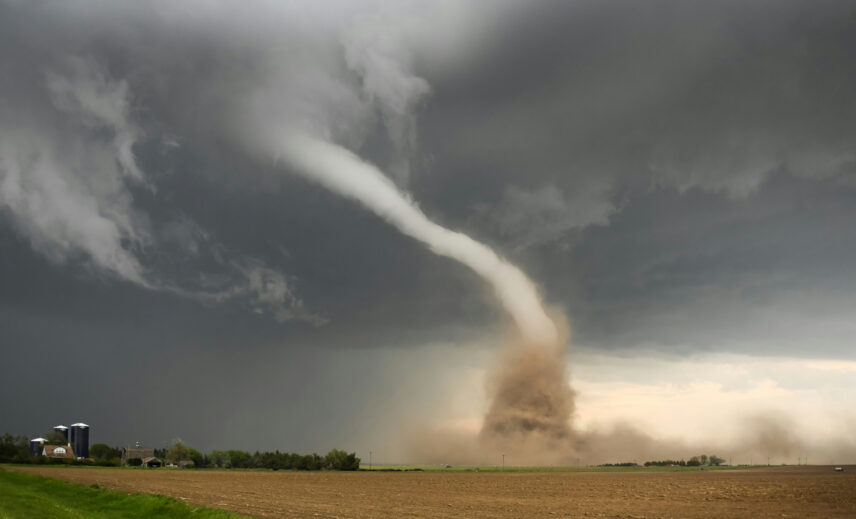
Storm chasing is a serious discipline that requires a phased approach, moving from knowledge to hands-on skill. You can’t just point your car at a supercell and hope for the best.
Step 1: Build Your Foundational Knowledge
Many professional storm chasers, especially those in research or media, hold degrees in meteorology or atmospheric science. This is the gold standard because it provides deep, theoretical understanding of the atmosphere. If a degree isn’t practical, dedicate yourself to rigorous self-study instead.
Storm Spotter Training is the single most important first step. The National Weather Service offers free SKYWARN storm spotter classes, which have taught hundreds of thousands of volunteers how to identify storm features, understand storm structure and learn what to report when severe weather develops. This training is nonnegotiable.
Read voraciously. Start with foundational books on severe weather like Tim Vasquez’s Storm Chasing Handbook. You can also learn about mesoscale forecasting through university programs. This discipline focuses on weather systems spanning a few miles to several hundred miles.
Step 2: Master Your Practical Skills
Learning to forecast is the core skill of a chaser. You need to:
- Read weather models like the GFS, NAM and HRRR.
- Analyze weather maps for key ingredients like instability, wind shear and moisture.
- Identify target areas for storm initiation days in advance.
This separates the chasers from the people who just drive around hoping to get lucky.
Master your tools next. A subscription to a high-quality radar app like RadarScope is essential. Learn to interpret radar signatures, including hook echoes, velocity couplets that indicate rotation and debris balls that tell you a tornado is actively on the ground. These signatures can mean the difference between capturing incredible footage and getting caught in the wrong place.
You also need to become an excellent driver. Chasing involves long drives and potentially hazardous road conditions, including heavy rain, hail and high winds. You need to be a calm, defensive driver who can navigate unfamiliar road networks while keeping an eye on the storm and your escape routes.
The National Weather Service emphasizes four critical safety protocols for spotters:
- Awareness
- Communication
- Escape routes
- Safety zones
When you’re out in the field regularly, this needs to become second nature.
Step 3: Gain Real-World Field Experience
Nothing replaces experience. You can study radar signatures for years, but seeing a wall cloud develop in person teaches you things no textbook can. Here are the safest ways to build your field experience:
- Go on a reputable storm chasing tour: This is the safest and most effective way to get your first taste of real-world chasing. You’ll be in the hands of experienced professionals who handle the forecasting and driving, allowing you to observe, ask questions and learn their workflow in a controlled environment.
- Find a mentor: Connect with the storm chasing community online through forums or social media. Many experienced chasers are willing to share knowledge. Having some informal field mentorships can be more valuable than formal career guidance here.
- Start as a local spotter: Use your SKYWARN training to spot storms in your home county. Stay stationary, find a safe vantage point with clear escape routes and observe storms without the added complexity of navigating and chasing.
Step 4: Gear Up for the Chase
You don’t need a custom-armored vehicle to start, but some gear is essential:
- Vehicle: A reliable car with good tires and regular maintenance will serve you well.
- Data and navigation: A smartphone with a reliable data plan and a GPS app is crucial. Google Maps with the radar layer is a good start for navigation. A laptop or tablet running radar software is standard for serious chasers. A NOAA Weather Radio is a critical backup for receiving warnings when cellular data becomes unreliable.
- Safety kit: First aid supplies, a spare tire, a car jack and emergency supplies should be standard equipment. You’re heading into situations where help might be far away.
At the extreme end, there are heavily modified storm-chasing vehicles like the Dominator series. These beasts are engineered to withstand incredible forces with reinforced armor, specialized equipment and the ability to deploy instruments directly into tornadoes. They represent the pinnacle of chase gear, though they’re far beyond what most chasers will ever need or use.
So, What Does It Say About You? Understanding Storm Chaser Psychology
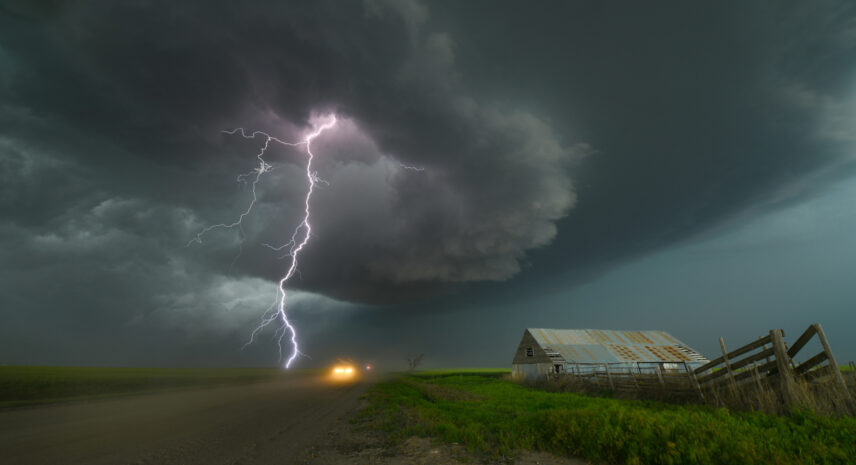
You’ve got the practical roadmap of how to become a storm chaser. Now for the more interesting question about what drives someone to do this in the first place.
The Allure of the Edge
For some people, storm chasing is about more than just a thrill. Research describes it as a form of “edgework,” where individuals explore the boundaries of risk in controlled ways. By successfully navigating these dangerous situations, chasers gain a sense of achievement and what psychologists call a “peak experience.” Through calculated risk-taking, the edge is where you find out what you’re actually made of.
Are You Hardwired for the Adrenaline Rush?
Storm chaser psychology often involves a flow state, where time and self-awareness diminish, allowing for intense focus. This immersion contributes to feelings of purpose and happiness, making the activity highly meaningful to those who pursue it.
There’s a biological component too. Studies show that adrenaline rushes can be good for personal growth when experienced in the right context. Your body’s response to intense situations can build confidence, sharpen decision-making and create a profound sense of being fully alive in the moment. Some people are wired to seek out these states more than others.
Escaping the Mundane for a Moment of Awe
Storm chasing serves as an escape from boredom and monotony. Chasers tend to be averse to repetitive situations and are drawn to the dynamic, unpredictable nature of severe weather. It’s stimulating and engaging in ways that normal life rarely provides.
The benefits of being in nature in gentler settings include calmness and clarity. Storm chasing offers something different but potentially just as valuable. It’s the profound, humbling awe that comes from witnessing nature’s immense power up close. That feeling serves a purpose, reminding you how small you are and how powerful the world around you can be.
The Higher Purpose and the Highest Stakes
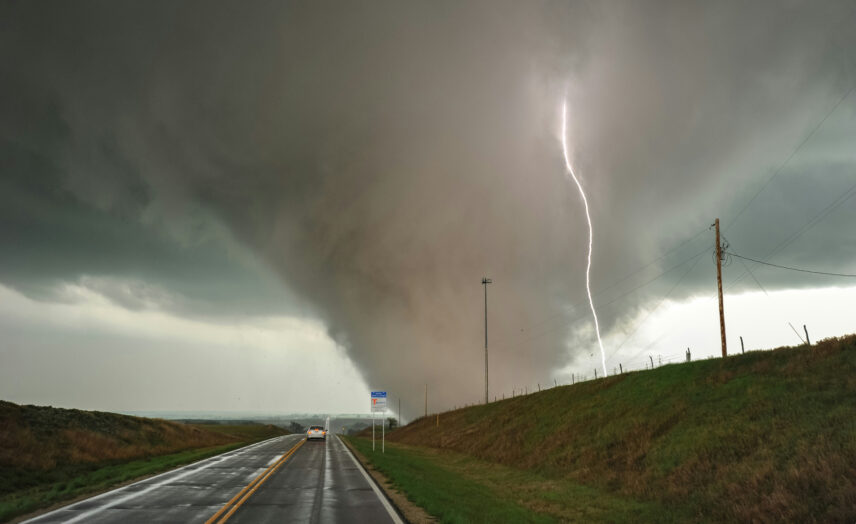
Storm chasing has legitimate scientific value, but it also carries unavoidable dangers. Knowing how to become a storm chaser is only half the story. You need to have a certain respect for what you are doing.
The Science Behind the Pursuit
Modern professional chasing has a legitimate scientific goal beyond the thrill. “Our goal is just to collect as many data points as possible from inside the tornado at ground level,” says respected storm chaser Reed Timmer. He notes that recording wind speeds and pressure levels might help forecasters predict storms more accurately, ultimately saving lives. The data collected by chasers has contributed to better warning systems and improved understanding of tornado behavior.
The Sobering Reality of the Sky
On May 31, 2013, the El Reno tornado in central Oklahoma changed the chasing community forever. This tornado was the first ever to claim the lives of storm chasers — renowned researchers Tim Samaras, his son Paul Samaras and colleague Carl Young.
“This was the day that storm chasing lost its innocence, really,” storm chaser Skip Talbot says. The El Reno tornado was 2.6 miles wide, the widest tornado ever tracked, with two satellite tornadoes on its western flank. Peak wind speeds were measured at 296 mph. The storm was making sudden, unexpected shifts that caught even experienced professionals off guard.
In the aftermath, the chasing community had to reckon with their methods. “We realized that people were making really bad mistakes in their positioning, and they were picking really bad escape routes,” Talbot says. “And after that, we realized we needed to make a change and find better ways to chase these storms.”
The psychological rewards from storm chasing can be great. The real science involved could one day help save lives. But nothing trumps your own safety. It would be disrespectful to those who have gone before and to emergency responders to venture into this without a full understanding of what you’re doing.
The Horizon Is Calling
Storm chasing is a rare calling that blends scientific discipline, psychological drive and acceptance of immense risk. If you’re drawn to it, you’re part of a unique group willing to pursue something most people can’t even imagine doing.
The path for how to become a storm chaser is clear if you’re willing to put in the work, but the real question has always been about understanding yourself. The storms will always be there. The question is whether you’re genuinely prepared to meet them.