As an Amazon Associate, Modded gets commissions for purchases made through links in this post.
Think hunting stops when fall ends? Summer tells a different story. Prime opportunities await hunters who know where to look. Expanding access to public lands and a diverse lineup — from wild hogs to invasive reptiles — means the off-season is wide open. Just remember: summer hunting seasons and regulations vary by state, so check your local laws before you head out.
1. Wild Hogs
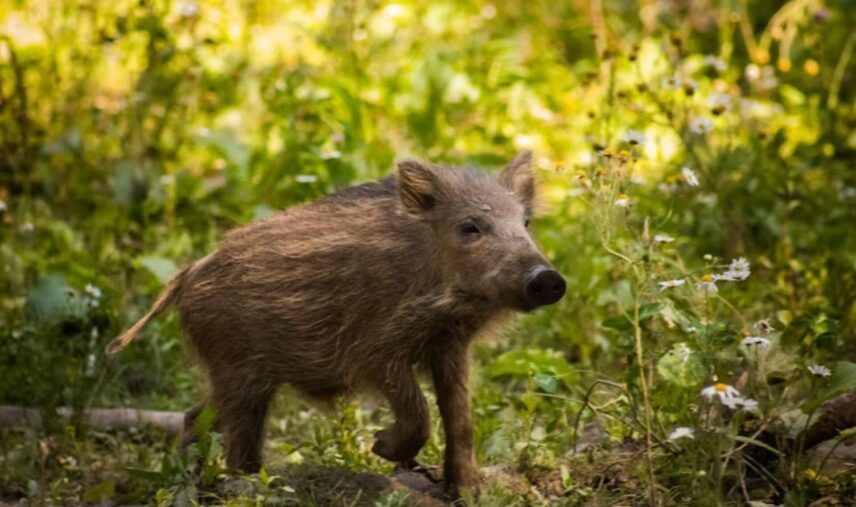
Wild hogs wreak havoc on ecosystems and farmland, making them a year-round target in many states. Their rooting behavior destroys crops and disrupts native habitats.
Bait stations and scent attractants work well for drawing hogs into range. With expanding opportunities for hunters on public lands, summer hunting access continues to grow.
2. Coyotes
Coyotes thrive in nearly every habitat, and managing their numbers helps maintain balanced ecosystems. Unchecked populations can threaten livestock and smaller game species.
Target dawn or dusk when they’re most active. Electronic calls and decoys mimic prey animals and bring coyotes within range.
3. Squirrels
Squirrels offer an ideal entry point for novice hunters and families. They’re abundant and provide excellent practice for developing fieldcraft skills.
Once you’ve harvested squirrels, try braising or slow-cooking the meat. The culinary experience adds another layer to the hunt.
4. Rabbits
Rabbits have earned their place in cuisines worldwide. The meat is lean, versatile and pairs well with herbs and rich sauces.
Move quietly through brush and field edges where rabbits feed. Some hunters use hounds to track through dense cover.
5. Raccoons
Raccoons adapt to virtually any environment. Overpopulation creates conflicts with agriculture and property, making raccoon hunting a practical form of wildlife management.
Hunt at night using spotlights to locate their reflective eyes. Raccoons are resourceful, so expect them to test your strategy.
6. Groundhogs
Gardeners and farmers know groundhogs as destructive pests. Their burrow systems undermine foundations and create hazards, while their appetite for crops can devastate hard work.
Scout burrow locations during daylight, then position for clear shots. Rifles offer the precision needed for clean harvests.
7. Bullfrogs
Bullfrog hunting offers a refreshing change of pace during hot summer nights. Head to ponds and slow-moving streams where bullfrogs gather.
Use gigs or hand nets after dark. Their eyes reflect light, making them easier to spot. The meat tastes similar to chicken.
8. Invasive Reptiles
Invasive reptiles threaten native species and disrupt fragile ecosystems. Pythons and other non-native reptiles reproduce quickly and outcompete indigenous wildlife.
Trapping works for some species, while others require active searching. Every invasive reptile removed helps protect the natural balance.
Gear Up for a Successful Summer Hunt
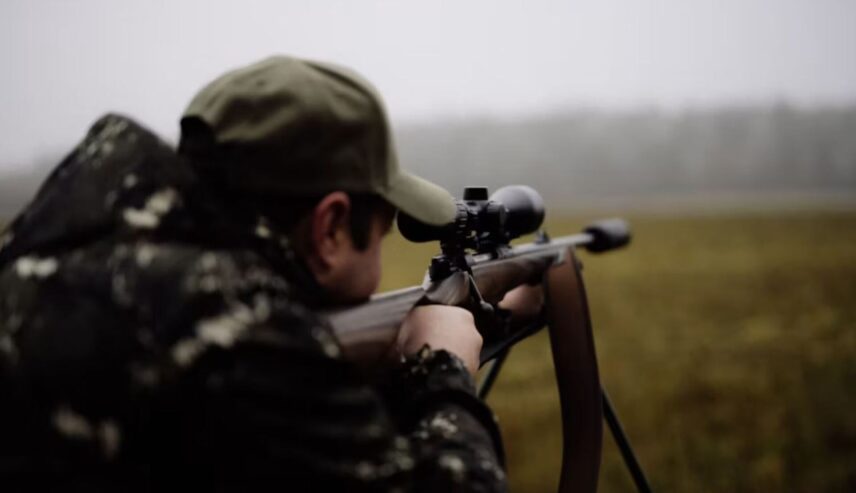
Summer hunting demands different preparation than fall or winter trips. Heat, humidity and intense sun create challenges that the right gear can solve. Smart equipment choices keep you comfortable, safe and focused on the hunt.
Choose Lightweight and Breathable Apparel
Ditch heavy layers and opt for moisture-wicking fabric to stay comfortable during long days in the field. Fabrics designed to pull sweat away from your skin help regulate body temperature and prevent heat exhaustion. Look for clothing with ultraviolet protection factor (UPF) ratings that block harmful UV rays without adding bulk.
Keep your pack light. Every extra pound feels heavier in the heat, and unnecessary weight slows you down. Prioritize essentials and leave redundant items behind.
Select Your Essential Safety and Survival Gear
Insect repellent ranks high on the summer safety list, especially in areas with heavy tick populations. Ticks carry diseases that can sideline you for weeks, so apply repellent to exposed skin and clothing before heading out.
Carry a water filtration system so you can refill from natural sources. Dehydration hits fast in summer heat, and running out of water far from camp creates a serious risk. Your first-aid kit should include antibiotic wipes, bandages and medications for treating minor injuries and preventing infection in the field.
Consider Your Overnight Options
Multi-day summer hunts require flexible lodging solutions that can handle heat and varying terrain. Rooftop tents mounted on your vehicle give you mobility and comfort without the limitations of traditional ground camping.
Quality rooftop tents feature UV-resistant polyester fabric that withstands intense summer sun and performs year-round. They set up quickly, keep you off the ground away from insects and snakes, and let you relocate camp as hunting conditions change. For hunters who use vehicles to access remote areas, rooftop tents provide a practical overnight solution.
Uphold Your Responsibilities As a Hunter
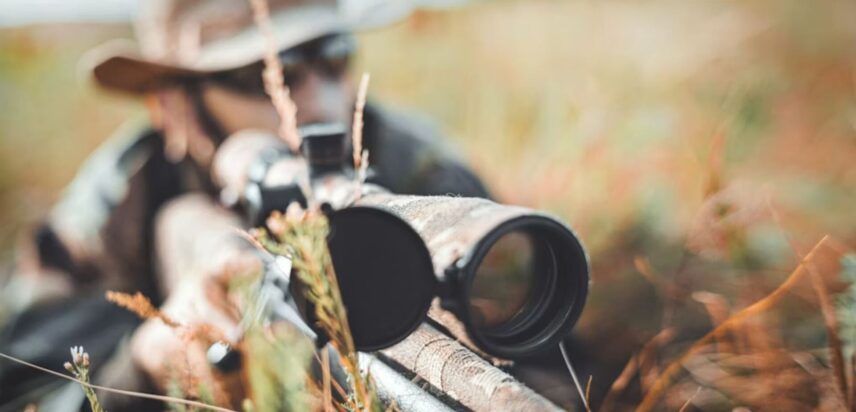
Being a good hunter means more than fieldcraft and marksmanship. It requires commitment to safety, ethics and the law. These responsibilities define what it means to carry on the hunting tradition with integrity.
Master Summer-Specific Safety Protocols
Hydration matters more in summer than any other season. Drink water consistently throughout the day, not just when you feel thirsty. Heat exhaustion and heatstroke can strike quickly.
Dense summer vegetation obscures sightlines and changes how you move through terrain. Maintain strict firearm safety by identifying your target and what lies beyond it. Stay alert for snakes and stinging insects that become more active in warm weather. Let someone know your whereabouts and expected return time before heading into remote areas. Communication saves lives when things go wrong.
Practice Ethical Hunting in Any Season
Ethical hunting starts with ensuring a clean shot. Take time to get into the proper position and wait for the right moment. Respect the animal by making every effort to harvest quickly and humanely. Hunting plays a critical role in conservation, with hunters funding habitat protection and wildlife management programs.
Conservation efforts rely heavily on hunter contributions. Across the nation, many of the over 570 national wildlife refuges and 71 national fish hatcheries welcome outdoor enthusiasts each year. Hunting and fishing are allowed on more than 400 units, connecting people with the land.
Know the Local Laws and Regulations
A responsible hunter is a law-abiding hunter. State laws govern season dates, bag limits and legal methods, but federal lands add another layer of regulation. County ordinances may introduce additional restrictions.
Take time to review federal hunting regulations if you plan to hunt on federal property. Regulations exist to protect wildlife populations and ensure sustainable hunting for future generations. Ignorance of the law isn’t a defense — knowing and following the rules is your absolute responsibility.
Carry the Conservation Tradition Forward
Summer hunting offers more than just opportunities to harvest game. It connects you to conservation, challenges you to adapt your skills and reminds you that the sport thrives year-round. The season demands different preparation and the same high ethical standards that define responsible hunting.
Get out there this summer. Hunt responsibly, respect the land and the animals, and be part of the conservation legacy that keeps wild places wild. The off-season is calling — and it’s time to answer.