As an Amazon Associate, Modded gets commissions for purchases made through links in this post.
Some cars become icons because they change how we drive, while others earn that status simply by being unforgettable. They stand out for their design, their performance or the role they played in history. What they all have in common is impact. Long after production ends, people still talk about them, recognize them instantly and compare newer models to start them.
- Ford Model T: Making Cars Accessible
The Ford Model T is often credited with putting the world on wheels, and for good reason. Before its introduction in 1908, cars were expensive and largely out of reach for the average person. Henry Ford’s use of assembly-line production changed that, making vehicles affordable and reliable for everyday families.
The Model T didn’t focus on luxury or style. Instead, it prioritized function and accessibility, which ultimately reshaped cities, work and travel. Its influence went far beyond the automotive industry.
- Volkswagen Beetle: A Deisgn That Endured
The Volkswagen Beetle is one of the most recognizable cars ever made. Its rounded shape and compact size gave it a personality that few vehicles have managed to match. Originally designed as a practical and affordable car, it quickly became popular across different cultures and generations.
Over time, the Beetle took on new meanings, becoming a symbol of individuality and simplicity. Its long production run and global appeal cemented its place as a true automotive icon.

- Ferrari 250 GTO: Performance and Prestige
At the other end of the spectrum sits the Ferrari 250 GTO. Produced in the early 1960s, this car was built for racing, but its elegance and craftsmanship made it legendary. Every detail was carefully designed to improve performance, yet the result was undeniably beautiful.
Today, with only 36 produced, the GTO 250 is one of the most sought-after cars in the world. Its legacy lies in its rarity and how it represents the perfect balance between engineering and artistry.
- Porsche 911: Timeless Evolution
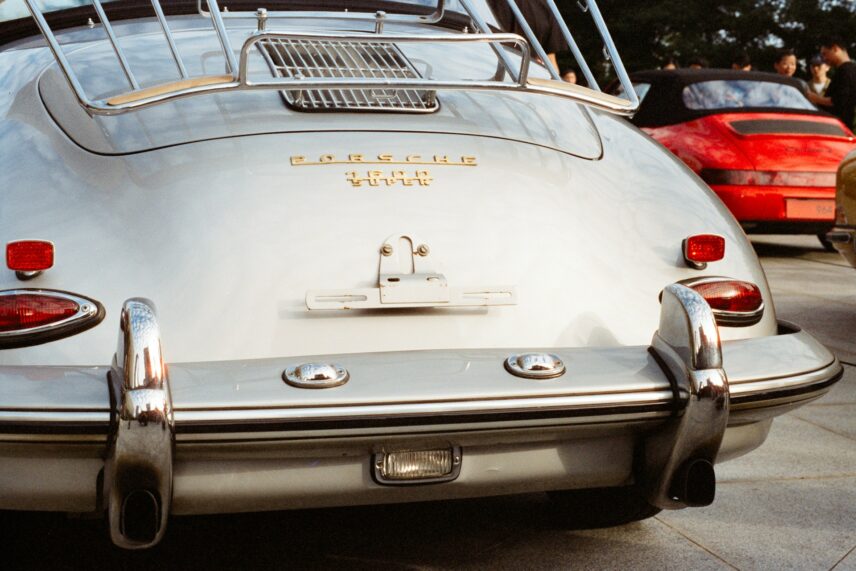
The Porsche 911 is a rare example of a car that has evolved without losing its identity. Since its debut in the 1960s, Porsche has continuously refined the 911, improving speed, handling and technology while preserving its signature shape.
This careful evolution has allowed the 911 to stay relevant for decades. It remains a benchmark for sports cars, proving that strong design doesn’t need constant reinvention to endure.
- Tesla Model S: A Modern Icon
Iconic cars aren’t limited to the past. The Tesla Model S has played a major role in changing how people view electric vehicles. By combining long range, high performance and a minimalist design, it challenged the idea that electric cars had to be slow or impractical.
Its success pushed traditional automakers to take electric mobility seriously, making it a turning point for the industry and earning its place among modern automotive icons. However, the Model S has the 21st highest accident rate of any vehicle.
- Chevrolet Corvette: America’s Sports Car
The Chevrolet Corvette has long been a symbol of American performance. First introduced in 1953, it offered sports-car styling and power at a price that was more attainable than many of its European rivals. Over the decades, the Corvette evolved dramatically, embracing new materials, technologies and design philosophies.
Despite those changes, it has always stayed true to its core identity with its bold looks, strong performance and focus on driving excitement. That consistency is what has kept the Corvette relevant for generations.

- Ford Mustang: The Birth of the Pony Car
When the Ford Mustang debuted in 1964, it created an entirely new category of cars. Stylish, powerful and relatively affordable, it captured the spirit of freedom and rebellion that defined that era. The Mustang was a cultural statement.
Its long hood, aggressive stance and unmistakable sound make it an instant classic. Even today, the Mustang continues to evolve while maintaining the attitude that made it iconic in the first place.
- Mini Cooper: Small Car, Big Personality
The original Mini Cooper proved that a car didn’t need to be large to be influential. Designed in the late 1950s, it was compact, efficient and surprisingly fun to drive. Its clever layout maximized interior space while keeping the car nimble and easy to handle.
The Mini also made its mark in motorsport, famously winning the Monte Carlo Rally in 1964. That mix of practicality and performance helped turn a humble car into a global icon.
- Toyota Land Cruiser: Built to Last
The Toyota Land Cruiser earned its reputation through durability and reliability rather than flashy design. First developed as a rugged off-road vehicle, it became trusted in some of the harshest environments in the world, from deserts to mountains.
Over time, the Land Cruiser evolved into a more refined vehicle without losing its toughness. Its reputation for longevity and dependability made it an iconic car for adventure and everyday use. Newer models boast a hybrid motor, making them more efficient and ready for modern demand.
- Lamborghini Countach: A Design Revolution
The Lamborghini Countach didn’t just turn heads — it stopped people in their tracks. With its sharp angles, wedge-shaped body and scissor doors, it looked like nothing else on the road when it debuted in the 1970s.
The Countach redefined what a supercar could look like and influenced automotive design for decades. Even today, its bold styling remains a symbol of excess and ambition.
- Mercedes-Benz 300SL: Innovation With Style
The Mercedes-Benz 300SL was groundbreaking when it hit the roads in the 1950s. Best known for its distinctive gullwing doors, it was also one of the fastest production cars of its time. Beneath the striking design was serious innovation, including advanced fuel-injection technology that helped set new performance standards.
The 300SL showed that cutting-edge engineering and elegance could exist in the same package. That combination is why it remains one of the most admired classic cars ever built.
- Jeep Wrangler: A Symbol of Freedom
The Jeep Wrangler traces its roots back to the original military vehicles of World War II, and that heritage is still visible today. With its boxy shape, exposed hinges and removable doors, the Wrangler is instantly recognizable and purpose-built for adventure.
More than just an off-road vehicle, it represents independence and exploration. The Wrangler’s ability to stay true to its rugged identity while adapting to modern needs has secured its place as an automotive icon. One of its best features is that it’s easy to customize with so many aftermarket components available for new and vintage models.
Why Iconic Cars Still Matter
Iconic cars tell the story of progress, innovation and changing values. They reflect what people needed, wanted or dreamed about at a particular moment in time. They became symbols of possibility and ambition, rather than just machines. That’s why they continue to inspire drivers, designers and car enthusiasts long after they first hit the road.