
As an Amazon Associate, Modded gets commissions for purchases made through links in this post.
You see them on nearly every food label — long, complex names that sound more like chemicals than ingredients. Emulsifiers are everywhere, especially in ultra-processed products. But a growing number of experts are asking an important question. Are emulsifiers bad for you? Or are they simply misunderstood tools that help make mass-produced food more palatable? Here’s a balanced look at what researchers and nutrition experts are saying.
What are Emulsifiers, Anyway?
At their core, emulsifiers are substances that help mix things that don’t normally combine, like oil and water. Think about mayonnaise or your favorite salad dressing. Without emulsifiers, those smooth mixtures would separate into layers. In industrial food production, emulsifiers improve textures, extend shelf life and help products stay appealing on the shelf.
Common emulsifiers you might see on a label include:
- Soy lecithin
- Carrageenan
- Polysorbate 80
- Mono- and diglycerides
- Cellulose derivatives, such as carboxymethylcellulose
These are found in thousands of items, from ice cream and bread to sauces, frozen desserts and diet products.

The Case Against Emulsifiers — What Are the Health Concerns?
Scientists caution that while emulsifiers serve a purpose, some types have unintended effects on the human body, particularly the gut. However, research is still emerging and many findings are associative or from experimental models rather than definitive clinical proof.
The Gut-Brain Connection and Inflammation
One of the most researched areas is how emulsifiers might impact the gut microbiome — the trillions of bacteria that live in your intestine and play a central role in digestion, immunity and overall health.
Some studies suggest that emulsifiers may disrupt the delicate balance of these microbiota, potentially thinning the gut’s protective mucus layer and allowing bacteria to come into closer contact with the gut lining.
In animal models, this has been linked to inflammation and “leaky gut”, which can in turn lead to inflammatory bowel diseases such as Crohn’s or ulcerative colitis, and even conditions such as diabetes.
If you already have symptoms of carbohydrate intolerance, emulsifier action on your microbiome may make it worse.
Links to Cardiovascular Risk
Beyond the gut, large observational studies have looked at the link between emulsifier intake and longer-term health outcomes like heart disease.
Recent research analyzing diet and health among tens of thousands of adults found that higher intakes of certain emulsifiers were associated with greater risk of cardiovascular events such as coronary heart disease and stroke.
“By disrupting the delicate balance of gut bacteria, these compounds may set off a chain reaction of health issues that extend far beyond the gut,” says Benoit Chassaing, PhD, head of microbiome/host interactions at Institut Pasteur.

Do Emulsifiers Affect Men’s Health Differently?
There’s no strong evidence that emulsifiers affect men and women differently in a direct, sex-specific way. However, considering health trends that disproportionately affect men — such as heart disease, chronic inflammation and metabolic syndrome — there are reasons for concern.
Chronic inflammation is linked with lower testosterone levels, too, which may be of particular concern for men approaching andropause in their middle years. Although research hasn’t established a direct causal pathway, it’s highly plausible that inflammatory processes starting in your gut, linked to emulsifiers, can affect hormonal health.
It may also impact your fitness regime, because a suboptimal microbiome hampers muscle recovery, according to research.
At this stage, specific links to men’s health remain speculative, underscoring the need for more human clinical research.
The Other Side — Why Emulsifiers Aren’t Always the Villain
Before you throw out every product with a long ingredient list, it’s important to remember that not all emulsifiers are the same and regulatory bodies still largely consider them safe. Researchers have experimented with many different emulsifiers. “Some didn’t really have any effect at all,” says Kevin Whelan, head of nutritional science at King’s College London. “It’s a complex problem to solve, but now is not the time to start advising people on which ones to avoid.”
The Regulatory Viewpoint
Ingredients approved for use by agencies such as the FDA have been evaluated for safety. This means that experts have determined that, at typical consumption levels, these emulsifiers are not expected to cause harm.
Some critics argue that safety testing didn’t account for effects on the microbiome, or that compounds were approved before we understood the gut-brain axis. However, official bodies still classify them as safe when used as intended.

Animal vs. Human Data
Much of the research showing negative effects comes from animal studies or high-dose exposures that aren’t representative of normal consumption. Just because mice fed emulsifiers develop gut changes doesn’t mean the same happens in humans.
Natural vs. Synthetic
Some emulsifiers — like lecithin from egg yolks or soy — are natural and may behave differently in the body than synthetic options like polysorbate 80 or carboxymethylcellulose.
None of this dismisses concerns outright, but it emphasizes the importance of context. Food composition, dose and overall diet quality matter a lot.
Lifestyle Factors
It’s also important to remember that people who eat a lot of ultra-processed foods often have other lifestyle habits that contribute to poor health, such as a sedentary lifestyle, excess weight or lack of exercise.
Correlation in research does not equal causation, and there simply is not enough research to know whether or not inflammatory gut issues in humans are caused or exacerbated by emulsifiers.
So, Are Emulsifiers bad for You? What Should You Do?
Because the science is still emerging, this is a complex question. Megan Rossi, founder of the Gut Health Clinic, understands the concerns but takes a balanced view. “Certainly it’s not going to be toxic or cause cancer overnight, so we can still include them,” she says. “But if most of your diet is coming from these ultra-processed packaged foods, then it probably is worth re-evaluating.”
If you want to minimize the risk without becoming obsessed, here’s the best way forward.
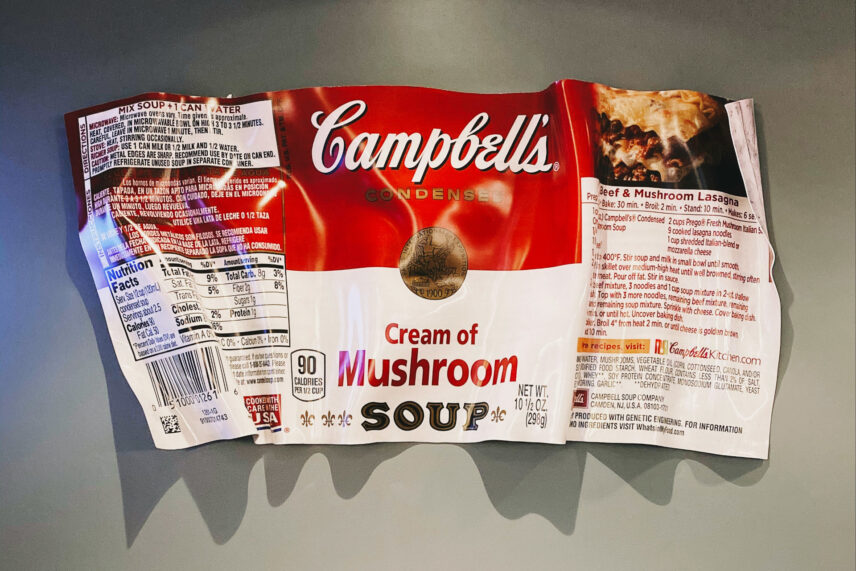
- Focus on whole foods first: Reduce your dependence on processed foods. Prioritize meat, eggs, vegetables, legumes and whole grains.
- Read ingredient labels: Ingredients with complex names are likely emulsifiers or other additives.
- Prioritize quality: Occasional consumption of food containing emulsifiers isn’t going to wreck your health. The bigger picture of total calories, overall nutrient balance, exercise, sleep and stress matters far more.
- Watch for personal sensitivity: It’s likely that some men are more prone to emulsifier sensitivity than others. If you notice a pattern after eating processed foods, tailor your diet accordingly.
The Verdict on Emulsifiers
So, are emulsifiers bad for you? The qualified answer from experts is not necessarily at typical levels, but caution may be warranted. There is no need to immediately strip them from your diet, but mindful attention is always a good thing. Aim for a healthier overall lifestyle rather than avoidance of specific ingredients. There are many existing, well-proven reasons to cut back on processed foods, so consider caution around emulsifiers to be just another prompt to think carefully about the food you consume.