As an Amazon Associate, Modded gets commissions for purchases made through links in this post.
There’s something amazing about being on the dance floor when the DJ suddenly drops a sick beat at just the right moment. If you’ve ever caught yourself wishing you could be the one creating that magic for everyone else, DJing might be just your thing. Let’s walk through six easy steps on how to become a DJ.
What Does a DJ Actually Do?
A DJ is an expert in matching and blending songs — AKA mixing — for live audiences. They control the music and play it in a way that’s cohesive and relatable, inviting people to jam or dance to it. For beginners, DJing is not about fancy tricks. Good DJing is about knowing how to read the room to identify if the audience is losing or gaining energy, keeping the energy flowing between songs, and playing a continuous mix that keeps people having a good time.
The main goal is to take individual tracks and weave them together seamlessly to guide the energy of the room. Aside from mixing songs, their energy, stage presence and interaction with the audience are all part of the show.
Can DJing Be Self-Taught?
Yes, definitely. DJing can be self-taught, thanks to the vast array of accessible digital tools and resources, including forums and YouTube. Of course, there’s the option to pay for paid courses from veterans. Enrolling in online or face-to-face courses may seem unnecessary if you have access to a plethora of free online resources, but it still depends on your specific goal. If becoming proficient is your goal, a course is worth signing up for.
How to be a DJ in 6 Steps

Let’s scratch the surface of becoming a DJ. This guide will help you get your first gig-gle of approval from the crowd.
1. Know Your Goals
There are many types of DJs. There are those who play in clubs, in radio stations, at weddings or in their bedrooms. Decide if you want to be a hobby DJ who plays for yourself and friends, a freelancing DJ for weddings and corporate events or a club DJ who plays in bars and clubs. This decision will influence every purchase and skill you prioritize.
For example, a mobile DJ requires a microphone and a wide variety of music, while a club DJ needs to master a specific genre and more advanced techniques.
Next, think about the genre you want to focus on. Start with a music genre you genuinely know inside and out. Your passion should fuel this practice, making it more enjoyable. You can always explore other genres later on, but now, you need a familiar foundation to make learning much easier.
2. Maximize Free Online Resources
Go to YouTube and subscribe to channels like Digital DJ Tips and Crossfader. Search for “beginner DJ controller review” or “how to beatmatch” to find specific tutorials. Aside from YouTube, TikTok and Instagram are your best sidekicks. Follow hashtags like #djtransitions and #beatmatching to find DJs and inspiration while building your craft.
If you’re interested in signing up for a class, many platforms offer paid DJ courses. Make sure to read reviews before signing up.
3. Choose Your DJ Software
A DJ software has all the tools and features you need to mix music — your music library, recording features, mixer controls and beatmatching. Many software programs are available for free, but paid subscriptions offer better features. Most popular choices are Serato DJ, rekordbox and Traktor. See which layout you prefer before buying a controller.
4. Collect Essential Gear
Software program ticked off. Now it’s time to bring out the big guns. Here’s a list of your must-haves. While professional setups can be pricey, there are many budget-friendly options for beginners.
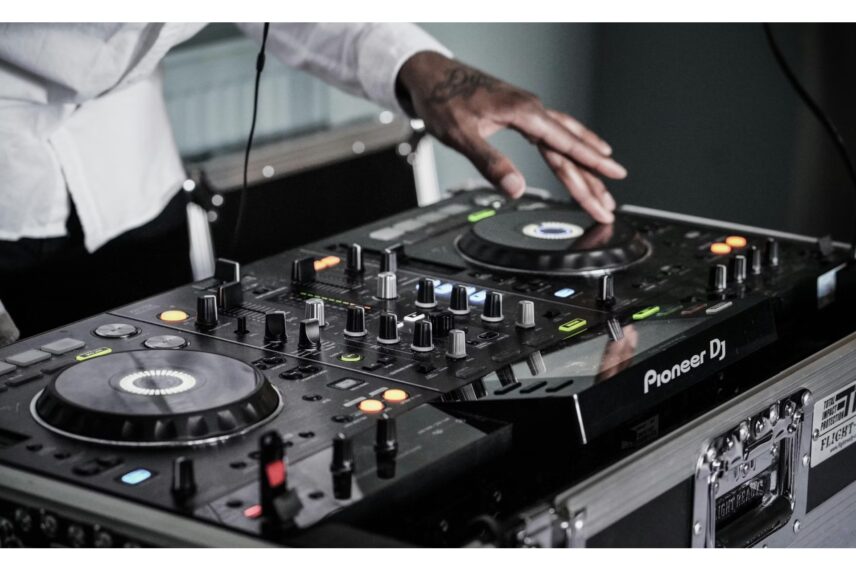
- Controller: Your most important purchase will be a beginner-friendly controller. This device provides the best way to learn, as it combines a mixer, effects and decks. The Native Instruments Traktor Kontrol S2 MK3 is a solid option, offering features that make it easier to drop seamless beats.
- Headphones: You need proper DJ headphones that provide accurate audio and isolate sound, allowing you to cue up your next track seamlessly.
- Laptop or PC: This serves as a central hub for DJing, helping you create mixes or record your own songs.
- Speakers: You can start with a budget-friendly set from JBL or Pioneer to hear your mixes loud and clear, and play them to yourself or an audience.
5. Curate a Playlist
A playlist helps make the learning process easier for you. Gather songs within the same genre and beats per minute (BPM) range so you can focus purely on the technique of mixing, rather than fighting against songs that don’t fit together.
You can start with more up-tempo tracks to make the learning process more enjoyable. Explore your road trip or dance playlists or get inspiration from the tracks played by your favorite DJs.
6. Learn the Core Skills
DJing only requires three core skills to help you blend music seamlessly.
- Beatmatching: This is about making two songs play at the exact same speed and rhythm, so they sound like one track. It’s the skill of getting two tracks together in perfect sync by adjusting the speed or BPM of a song until its drum beats line up perfectly with the other song.
- EQing: Proper EQing is something only experience can teach. It refers to adjusting the levels of the song’s bass, vocals and cymbals so they won’t clash with the other track. The most important rule is to make sure only one powerful bassline is playing at a time to keep the mix clean.
- Phrasing: This skill requires you to understand a song’s structure, like choruses and verses. DJs typically mix the intro of a new song over the outro of the current one, allowing the music to flow more naturally. Phrasing essentially helps you find the perfect moment to bring in the new song.
How Long Does It Take to Learn to DJ?
It depends on your dedication and how fast you learn. With consistent practice of around three to five hours per week, you can create a smooth mix of songs in as fast as one month. Focus on mastering the fundamentals, get comfortable with beatmatching, likely with the help of the SYNC button and perform basic transitions using EQs and volume faders.
Do I Need to Create My Own Music to Be a DJ?
No, you aren’t required to create your own music to be a DJ, but you are welcome to do so. Music production is the art of creating songs from scratch. While many DJs are also producers, others focus solely on the art of mixing other people’s music.
Your First Mix Awaits

Ready to start your DJing journey? All you need are a few tools, commitment to learning and dedication to practicing the fundamental skills. The learning process is a rewarding marathon, not a sprint. Treat every mistake as a learning opportunity, and soon enough, you’ll get to produce the mix of your dreams.