As an Amazon Associate, Modded gets commissions for purchases made through links in this post.
“Sepak takraw,” a combination of Malay and Thai phrases meaning “to kick” and “woven rattan ball,” respectively, is a game that has been around for centuries. Not to be confused with footvolley, this wicker ball game looks like volleyball played on a doubles badminton court governed by soccer rules. It combines volleyball’s team play and scoring, badminton’s compact real estate and soccer’s ball control. The result is acrobatic movements, fast-paced action and short rallies, mesmerizing anyone with innocent eyes.
Playing what many call Thai foot volleyball is an exhilarating activity to kill time outdoors with friends and family. Understand why only a handful of people can play it on the regular and how learning the main rules and developing basic skills is all you need to experience the magic of sepak takraw.
Why Only 1% of the World Plays Sepak Takraw
Despite its potentially high entertainment value, this game has yet to shake off its status as a niche sport. Key factors have hindered its international popularity.
It’s Mainly Played in Asia

One of the biggest reasons sepak takraw hasn’t spread worldwide is that most of its strongest programs, competitions and fan bases are in Asia, in general, and Southeast Asia, in particular. It hasn’t replicated the success of other sports of Asian origin, like Muay Thai, which has a strong and growing interest globally.
Only Thailand, Malaysia, Indonesia and Singapore are some of the few countries with well-established leagues, youth development systems and national teams. Outside the region, organized clubs and tournaments are much harder to find, making it difficult for new players to discover the sport.
In the United States, there are passionate communities that organize local events, but they remain relatively small compared to mainstream sports organizations. Without regular television coverage, school programs or widespread recreational leagues, many Americans simply never encounter sepak takraw.
It’s Physically Demanding
High-level sepak takraw has a steep learning curve. Beginners quickly discover that controlling a rattan ball with their feet requires coordination, flexibility, balance and timing.
The spectacular jumping spikes and bicycle kicks that make highlight videos so entertaining are challenging to emulate. The perception that the game requires significant athletic ability can be intimidating. It often discourages some who want to try it out recreationally from actually giving it a go.
The Professional Scene Isn’t Highly Lucrative
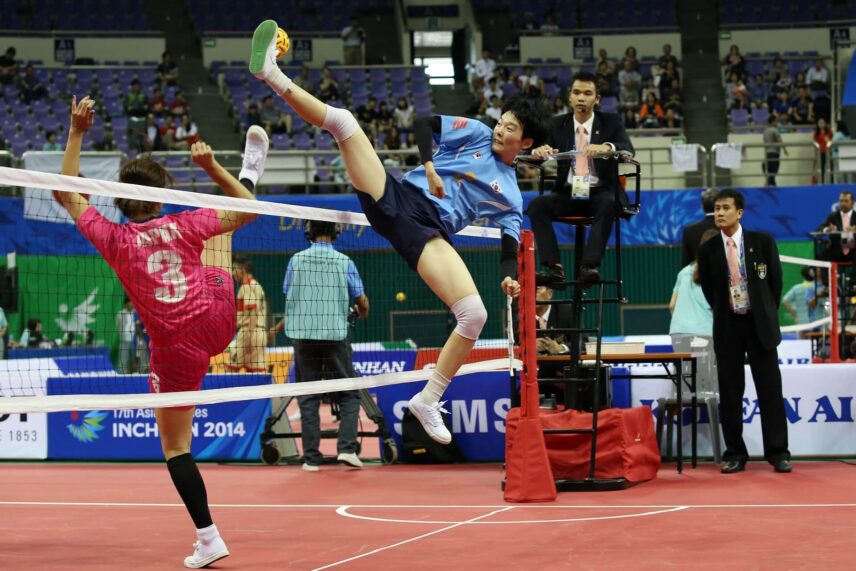
The International Sepaktakraw Federation governs the game. The governing body has been instrumental in advocating for its inclusion in high-profile sporting events, such as the Asian Games, which typically showcase fringe sports and expose them to a bigger audience.
Professional opportunities contribute to the sport’s limited visibility. Sepak takraw doesn’t offer many high-paying professional leagues or international sponsorship opportunities outside its core markets and sometimes even in places where it’s part of everyday life.
With lower financial incentives, fewer athletes dedicate themselves to the sport full-time, and broadcasters invest less in covering competitions. Less media exposure leads to fewer participants, hurting the game’s commercial viability. The status quo may change in the future if sepak takraw snags a spot at the 2028 Olympic Games in Los Angeles. Until then, the case of sepak takraw player as a sustainable career isn’t convincing to many.
How to Get Started With Sepak Takraw
As a professional sport, sepak takraw has a long way to go before it becomes mainstream. As a pastime, it’s a fun social activity that can give your whole body a full workout. With some open space, you can learn the basics with friends or on your own with these tips.
Use Beginner-Friendly Gear
This game is more accessible than emerging sports with rigid equipment requirements, like teqball, where the curved table is as nonnegotiable as the football. For starters, the basic sepak takraw essentials are:
- A rattan ball
- Comfortable athletic clothing
- Athletic shoes with a good grip
A badminton or volleyball net is integral to the game, but it’s frankly optional if you just want to play it for fun. Many beginners choose synthetic takraw balls. They’re more weather-resistant and maintain their shape better than traditional woven rattan ones.
Play in an Open Space
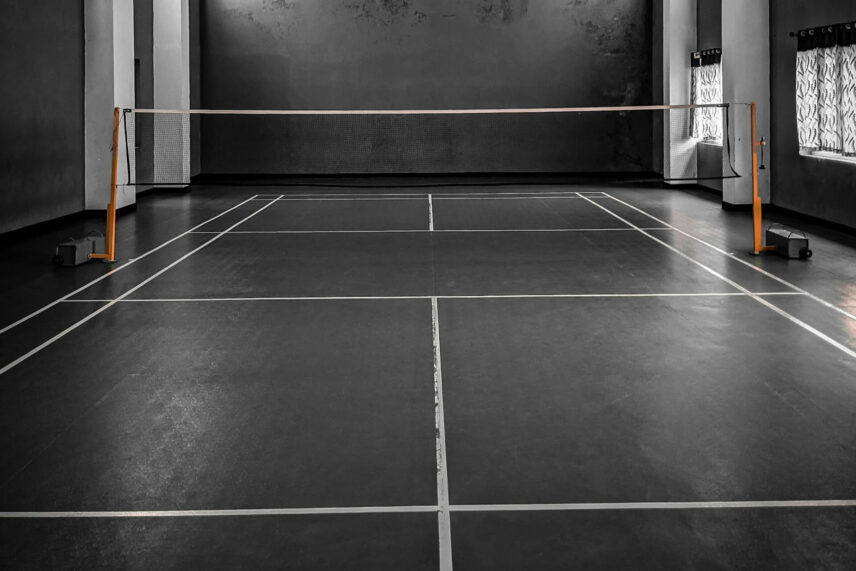
Find a flat surface to play on, like a vegetated area in a park or your backyard. Any place away from traffic is ideal to avoid bothering passersby and motorists.
If you have access to a badminton court, that’s even better. The facility already matches the standard dimensions of the game’s proper court.
Understand Key Sepak Takraw Rules
Memorizing every official rule is optional when learning sepak takraw. To genuinely enjoy its unique gameplay, remember the following:
- Two teams pass the ball to each other over the net.
- Players can’t use their hands or arms.
- Each team gets up to three touches before returning the ball.
- The ball can’t touch the ground on your side.
- It’s a point when an opposing team fails to return the ball legally.
- The first team to score 21 points wins a set.
- The first team to win two sets wins the game.
Once everyone understands these basics, you can gradually introduce official serving positions and other advanced rules as your group becomes more comfortable.
Start With Ball Control
Practice gentle kicks using the inside of your foot, then work on keeping the ball in the air for as many touches as possible. Use your knee or head as your confidence improves. If you have a soccer background, you may already have foundational skills.
Don’t worry if the ball drops frequently at first. Developing touch and consistency is the key.
Keep the First Games Casual
Avoid mimicking pros. Attempting dramatic bicycle kicks and focusing on making clean and controlled passes with teammates are common rookie mistakes.
Consider the official sepak takraw rules more like suggestions and less like rigid regulations for first-timers, especially when playing with kids. Allow extra touches and permit the ball to bounce once before returning it. Gradually transition to proper gameplay once all players have a grip on it.
Prioritize Safety
Warm up beforehand. Sepak takraw involves frequent kicking, jumping and quick changes in direction, which can cause injury when your body’s not ready.
Spend time to stretch, but favor dynamic exercises over static ones. Perform lighter versions of sepak takraw movements to warm up, increase your flexibility and lower the risk of injury. Then, do static stretches after playing to cool down.
Beginners should also avoid attempting advanced aerial kicks until they have developed better balance and body control. Starting slowly helps reduce the risk of strains while making the experience much more enjoyable.
Learn Sepak Takraw for Fun
This niche sport is more accessible than its reputation suggests. All you need is a wicker ball and a bit of athletic drive to enjoy this game alone or with others.