As an Amazon Associate, Modded gets commissions for purchases made through links in this post.
Hiking is an excellent way to get exercise and embrace Mother Nature around you. However, some people focus more on the fitness elements and less on the wilderness. How can you appreciate the scenery and be present while on the trail? Take a day to go soft hiking. This fitness trend combines physical activity and mindfulness while trekking the great outdoors. Here’s what you need to know about this trend.
What Is Soft Hiking?
Soft hiking is a slow-paced and more mindful version of traditional walks in the woods. Your focus is more on nature around you instead of accomplishing a personal best time. Your soft hikes appreciate fish passing in a stream, deserted buildings, beautiful trees and the breeze blowing on your cheek. This version of hiking prioritizes the journey more than the destination.
While people have practiced it for generations, soft hiking got its name during the pandemic. A pair of girls from the United Kingdom — Lucy Hird and Emily Thornton — started a TikTok account dedicated to this more relaxed version of outdoor adventures. The soft hiking keyword reached 10 billion views on the video-sharing app, demonstrating this fitness trend’s popularity worldwide.
How Is It Different From Regular Hiking?
Soft and traditional hiking aren’t much different. However, there are some essential distinctions you’ll need to know if you plan an excursion with friends. Here are the differences you need to know:
- Taking it easy: Hiking isn’t usually something you can do on a lunch break. The softer version entails taking your time — even if it means you spend all day on a five-mile hike.
- Stopping at amazing sites: Why do these hikes take so long? You have plenty of time to stop and smell the roses. You may walk by an old church or find an open field to throw a football. The trail could also provide scenery for a fantastic photoshoot.
- Eating a long lunch: Some hikers don’t like to stop for lunch — if they do, it’s only for a quick bite. Soft hiking encourages long rests to refuel your body and relax your muscles. Carbs are your body’s primary energy source, so stock up on trail mix, fruits and easy-to-digest snacks.
What Are the Benefits of Soft Hiking?
It’s no secret that hiking is good for the body. How does soft hiking help compared to regular outings? Here are a few positive implications to consider before your next outing.
Being Outdoors
The primary benefit you get on these slower hikes is more outdoor time. Being in the wilderness lets you disconnect from your phone, social media and the hustle and bustle of daily life. While you can bring electronic devices, good luck finding a cell signal in the wilderness. Outdoor exercise means you get vitamin D, fresh air, mental clarity and more benefits.
Easier Exercise
Exercise is great, but there’s a possibility you’ll overdo it while hiking. For example, you might not take enough breaks or overstrain your muscles due to the distance you travel. Exceeding your limits leads to shin splints, stress fractures and other unwanted injuries.
Soft hiking addresses this issue by taking it easy and emphasizing relaxing exercise over a great workout. You’ll burn calories but don’t need to overwork yourself for a great outing.
Reduced Anxiety
While the physical benefits are great, you’ll reap the mental health boost from softer hikes. Being outside naturally boosts your happiness due to the calming colors and the therapeutic environment. Seeing green entails being envious. However, seeing green on the trails is a positive due to the trees and plants surrounding you.
Enjoying Yourself
Who says hiking has to be strenuous? If you would rather take a step back and relax in nature, that sounds like an excellent option. Hird and Thornton started the soft hiking trend because they didn’t fit with others’ approach to outdoor time. These companions had advanced fitness levels or didn’t want to stop to enjoy the scenery. The softer version of the trend emphasizes enjoyment over your physical fitness goals.
Where Are the Best Places to Go Soft Hiking?
Does soft hiking change where you should travel? This version of outdoor exercise doesn’t necessarily change the distance you walk. However, it emphasizes the scenery and enjoying every moment. Here are a few examples of beautiful trails that are ideal for soft hiking adventures.
Grand Teton National Park

While Yellowstone grabs attention in Wyoming, Grand Teton National Park holds its own with various terrains for hiking. The recreation area features forests, mountains, valleys, lakes and rivers. You can take a week-long trip to Grand Teton and not get bored! The park is one of America’s best due to its postcard-worthy scenery and easy trail options. Bask in Wyoming’s beauty while emphasizing mindfulness.
Kalalau Trail
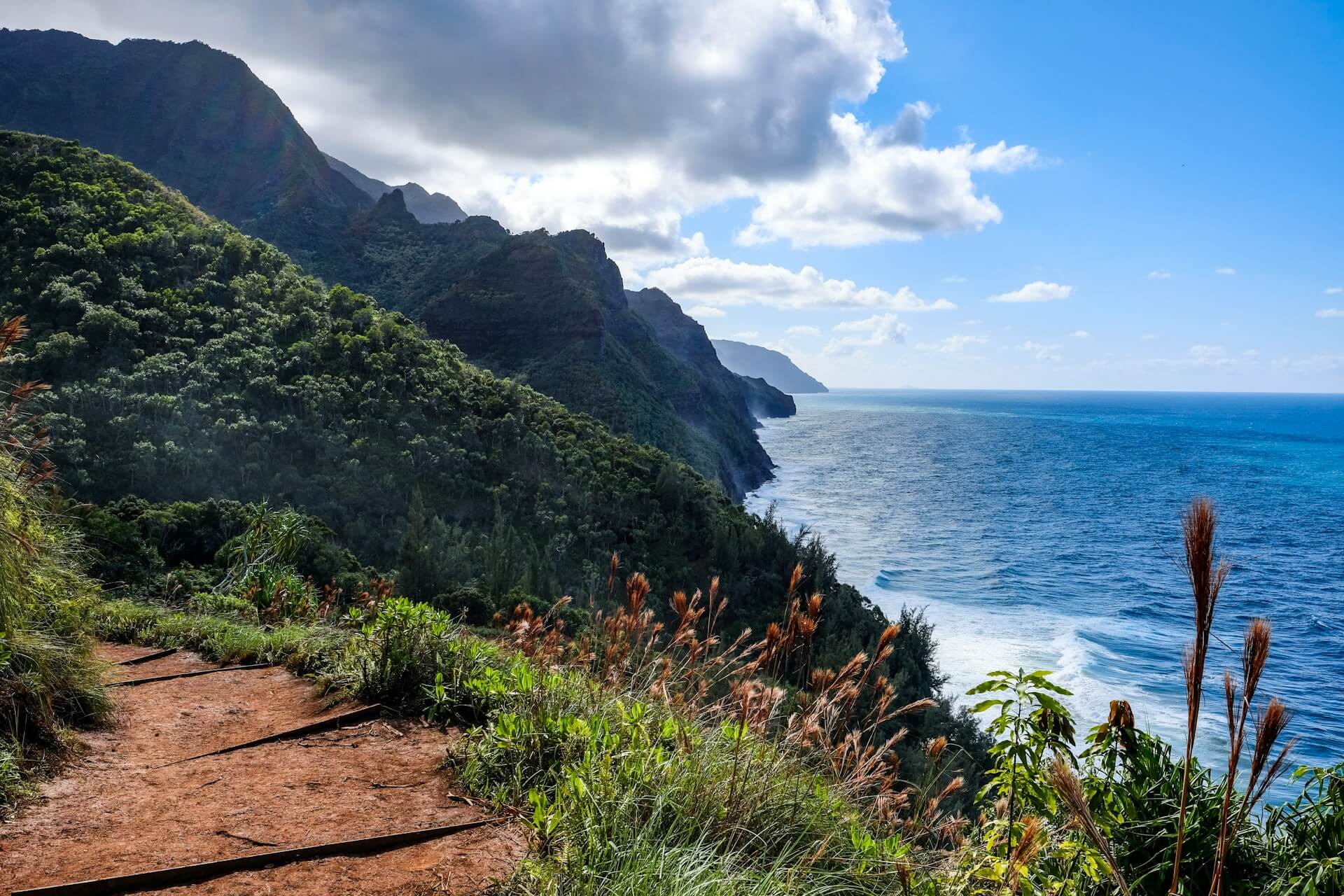
Are tropical locations more up your alley? Kalalau Trail in Hawaii is excellent for hiking along the Pacific Coast and embracing the incredible scenery. The course totals 11 miles and is inside Nāpali Coast State Wilderness Park, making it a must-see for outdoor enthusiasts in the Aloha State. You’ll start on Ke’e Beach and end your trek on Kalalau Beach after a few hours in the sun.
Slow hiking and mindfulness are a more significant emphasis on the Kalalau Trail because of its dangers. The course can be slippery, which is an unwelcome sight when you’re walking on narrow trails. The streams are another concern when walking along the Kalalau Trail.
Plitviče Lakes National Park
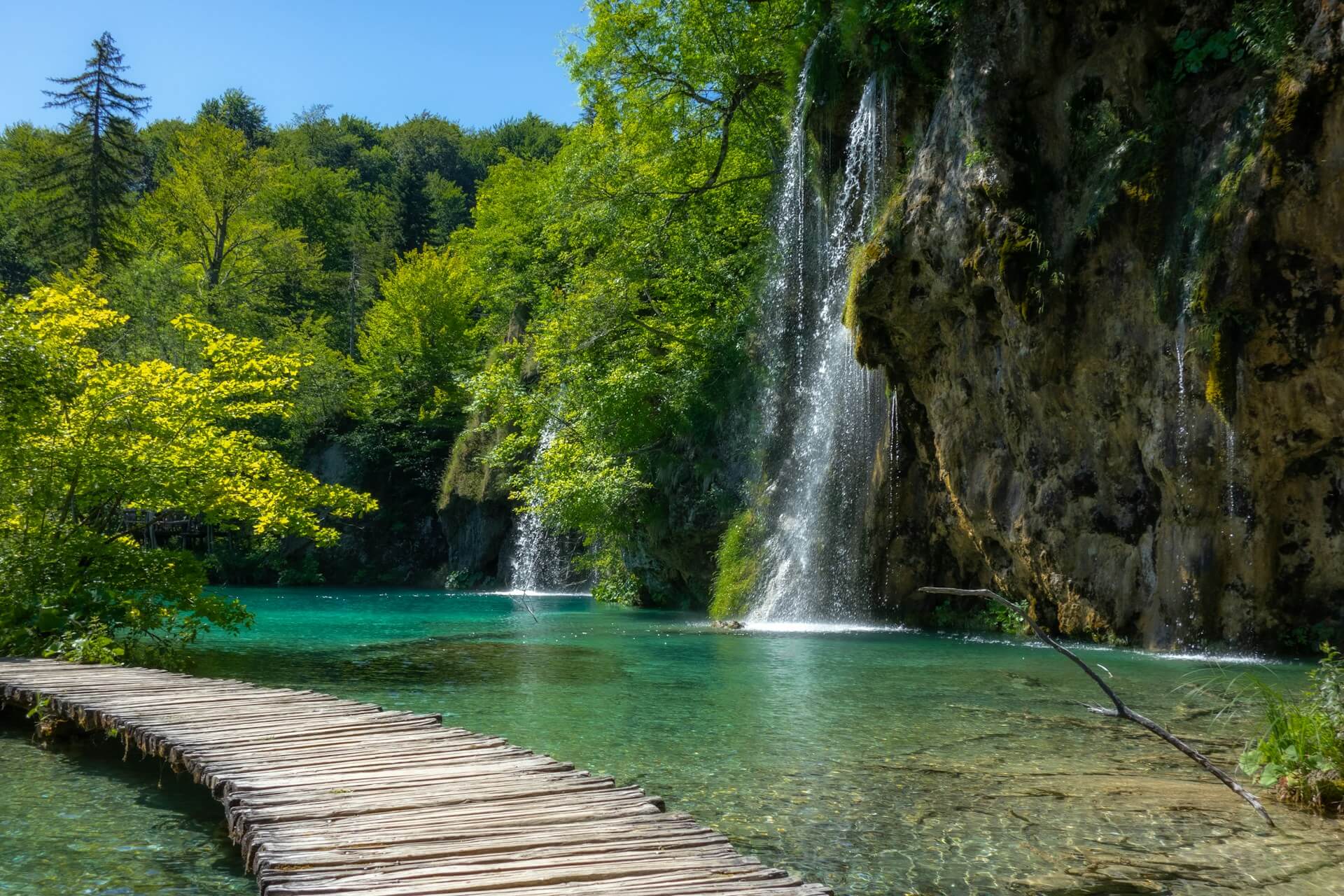
While America boasts natural beauty, you can find great soft hiking opportunities in other countries. For instance, check out Plitviče Lakes National Park in central Croatia. The Plitviče Lakes and the waterfalls look like an image in a video game or somebody’s screensaver. The location is terrific for a soft hike because you’ll sit in awe while embracing the park’s natural beauty.
Getting Into Soft Hiking
If life is a race, there’s room for someone in second or third place. Rushing is fine if you’re up against a deadline at work or trying to catch a flight. However, time outdoors should be sacred and appreciated. Soft hiking makes it easier by embracing the world around you and making this exercise an experience — not a chore. Save your chores for the household and try a soft hike next time you go out.