As an Amazon Associate, Modded gets commissions for purchases made through links in this post.
In September 2025, the Kelly Blue Book announced that the average transaction price of new cars reached $50,000 for the first time in history. The news was historic but expected, as it aligned with the long-term trajectory of average new car prices.
Although auto sticker prices fluctuate to boost sales during slow seasons throughout the year, more people may have to get used to the idea that the average car payment is above $1,000 in 2026. Discover how much it would cost to own a car this year and beyond.
What Factors Are Driving Upward Car Price Trends?
Here are the reasons the average new car price surged past $50,000 in late 2025.
1. Demand for Electric and Luxury Vehicles
The surge in high-end vehicle sales pushed average transaction prices higher in the last four months of 2025. That month, over 60 models recorded average transaction prices above $75,000, selling almost 94,000 units and representing 7.4% of total industry sales.
Aside from luxury cars, electric vehicles helped inflate averages. electric vehicles (EVs) accounted for 11.6% of the United States market share in September 2025, an all-time high. This milestone wasn’t random. It coincided with the expiration of government-backed incentives for EV buyers, resulting in a nearly 30% year-over-year increase in volume.
2. Manufacturer Production Priorities
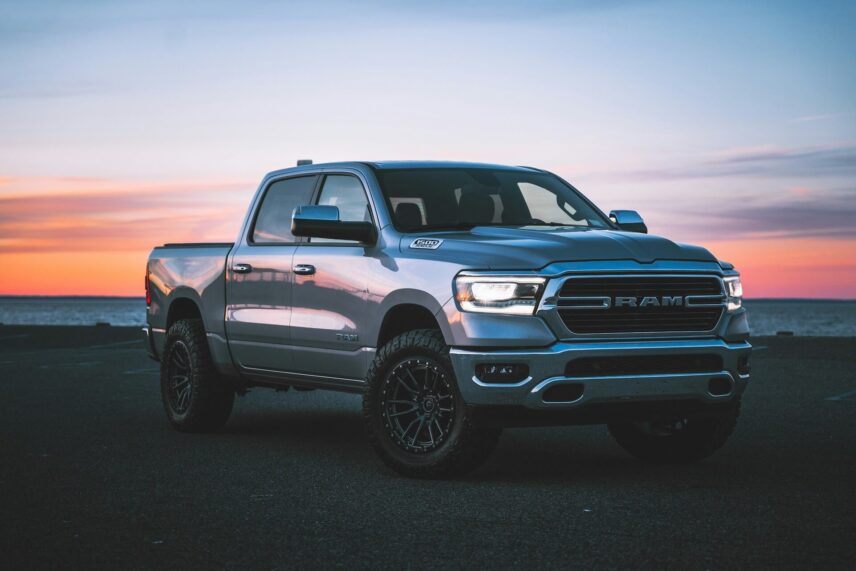
2026 marks the first time no automaker is selling a new vehicle for under $20,000. Asian brands have steadily ceased production of mainstream entry-level models over the years. Kia pulled the plug on the Rio in 2023. Mitsubishi discontinued the Mirage in 2024, while Nissan stopped assembling the Versa for the American market in 2025.
The auto industry has made a strategic decision to prioritize high-margin vehicles to mitigate the impact of increased production costs due to chip shortages and tariffs on business. Carmakers are focusing on SUVs and pickup trucks — especially the top-trim versions and luxury models — to maximize revenue and meet the American consumers’ preference for larger vehicles and more advanced features. This way, manufacturers can achieve their profit goals despite lower sales volumes.
Base models still exist. However, expect newer generations to cost more than their predecessors’ sticker prices when they hit the market due to mandatory safety features, such as advanced driver assistance systems.
3. Consumer Decisions
As mentioned, U.S. car buyers have a penchant for powerful automobiles that can overcome challenging terrain and carry heavy cargo, reflecting Americans’ love of adventure.
In model year 2024, the National Highway Traffic Safety Administration classified 66% or two-thirds of new vehicles sold as trucks. The auto industry’s sustained shift away from sedans has fueled this upward trend in car prices.
What Is the Average Price of a New Car vs. a Used Car?
The soaring prices of new cars have compelled budget-conscious consumers to explore the secondary market. The good news is that you can still find used vehicles under $20,000. The bad news is that the average price of secondhand cars is also trending up.
The average price of used automobiles up to 8 years old was $30,202 in 2025, which was 27.6% higher than the amount it cost to buy a secondhand car in 2020. The share of sub-$20,000 used vehicles is also in decline, from 53% in 2019 to 30% in 2025.
Used car prices follow changes in inventory levels, so more supply could stop the bleeding for buyers in the secondary auto market. The problem is that buying a preloved automobile when prices are lower doesn’t guarantee affordability — unless bought completely with cash to avoid interest payments and save on insurance.
Auto loans for used vehicles often come with higher interest rates, stemming from the reputation of automobiles to be out of warranty, have less predictable depreciation rates and be more prone to mechanical issues.
Rising prices make secondhand cars even riskier in the eyes of lenders, as borrowers need more funds to purchase them. Individuals with bad credit are more likely to face higher interest rates and down payment requirements when obtaining financing.
What Is the Projected Average Car Payment in 2026?

The average monthly new auto loan payment was $782 in the fourth quarter of 2025, according to TransUnion. Borrowers on used car loans paid an average of $538 per month during the same period.
Historical data suggests that auto loan payments for new vehicles will jump in 2026, as the average has gradually increased since 2022. Record-high new car prices have made $1,000 monthly payments more common — a reality that has been burdening a growing number of Americans. It may be a different story for those who finance secondhand vehicles. The same TransUnion report revealed that the average payment decreased after a year of increases since 2022, as in 2025, when the average spiked from $522 in 2024.
The loan payment is just one of the many expenses of car ownership. An insurance premium is another source of financial pressure, as it typically rises when the price of the underlying new or used car increases and is mandatory in almost all states.
Maintenance costs are inevitably but more controllable than loan and insurance expenses. Basic upkeep tasks, such as changing fluids, rotating tires and replacing the engine air filter, are doable at home and can reduce the risk of untimely breakdowns.
Like maintenance-related expenses, fuel costs are easier to manage. Electricity is usually cheaper than gas and diesel for driving, and completely recharging an EV at a public station can cost only $5 in some locations.
Is There Any Tax Break for Car Owners?
New car loan borrowers are some of the beneficiaries of the One, Big, Beautiful Bill Act, which became a law in July 2025.
It entitles you to an annual auto loan interest deduction of up to $10,000, provided you buy a qualified vehicle. Effective from 2025 to 2028, the law aims to boost the sale of automobiles with a gross vehicle weight rating of less than 14,000 pounds and that have undergone final assembly in the U.S.
Will the Average New Car Price Continue to Rise?
The prevailing priorities of auto manufacturers and the preferences of American consumers will likely keep new car prices higher going forward. Used vehicles are more affordable, but buyers who haven’t been in the market for years will likely experience sticker shock. Although the federal tax break will help ease the cost of car ownership for years, only some will benefit. 2026 appears to be a less ideal time to change automobiles, so make your current one last for as long as possible.