As an Amazon Associate, Modded gets commissions for purchases made through links in this post.
For years, Tesla defined the modern EV industry. Today, it faces fierce competition from electric car brands that often outperform it in design, battery innovation, charging convenience and overall value. From Chinese electric auto brands to premium startups, Tesla is no longer the only game in town, and in several categories, it is no longer the benchmark.
The EV market has matured rapidly. Many of today’s top electric car brands learned from Tesla’s successes while improving its weaknesses. Some focus on luxury craftsmanship, others on affordability, charging innovation or futuristic engineering. Here are seven EV-only automakers proving there is more than one path to electric dominance.
1. BYD
BYD outsells Tesla globally. In fact, BYD overtook Tesla in global battery-electric vehicle sales in 2025, selling more than 2.2 million EVs compared to Tesla’s over 1.6 million deliveries.
Unlike Tesla, BYD controls nearly every step of its manufacturing process. The company produces its own batteries, semiconductors and many drivetrain components. This vertical integration allows it to lower costs without sacrificing profitability.
In battery technology, BYD’s Blade is superior to Tesla’s technology in many areas. This lithium iron phosphate pack offers greater thermal stability and safety than many conventional lithium-ion batteries. The company has also aggressively expanded into Europe, South America and Southeast Asia.
Recent reports show BYD outselling Tesla in several international markets, including the United Kingdom and Brazil. For buyers seeking value and reliability, BYD demonstrates why Chinese electric car brands are reshaping the industry.
2. Lucid Motors
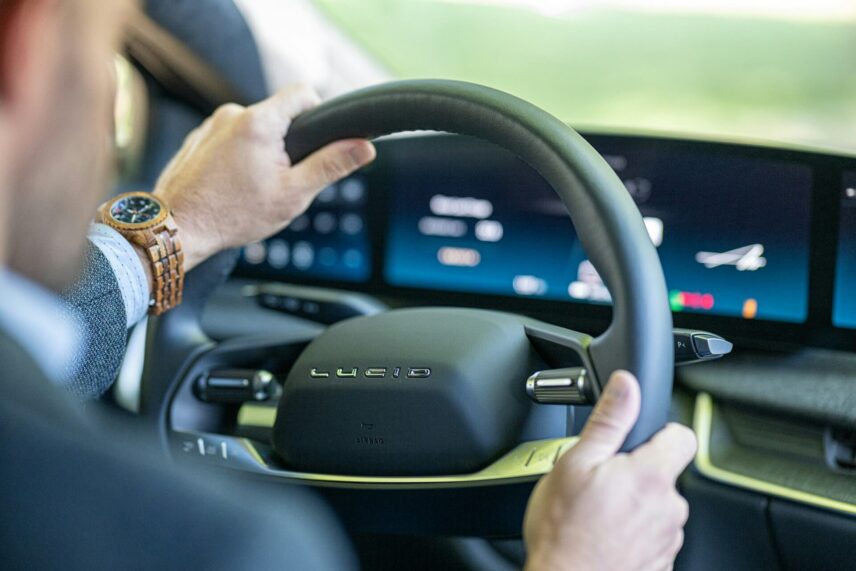
Tesla helped popularize premium EVs, but Lucid arguably builds the more refined luxury experience and delivers better range.
The Lucid Air consistently ranks among the longest-range production EVs in the world. Several trims exceed 500 miles of range estimated by the United States Environmental Protection Agency, outperforming Tesla’s flagship sedans. Lucid also emphasizes premium interior materials, quieter cabins and smoother ride quality.
Where Tesla interiors lean minimalist, Lucid offers genuine luxury. Buyers get elegant design details, upscale finishes and spacious seating that feel closer to traditional high-end marques like Mercedes-Benz.
Lucid’s compact electric drive units are another engineering achievement. The company packs exceptional efficiency into smaller, lighter motors than many competitors.
Although Tesla still leads in software ecosystem maturity, Lucid has become one of the strongest luxury electric car brands for buyers prioritizing comfort and long-distance travel.
3. Rivian
Tesla’s Cybertruck certainly looks futuristic, but Rivian builds EVs that feel purpose-built for outdoor lifestyles.
The Rivian R1T and Rivian R1S combine serious off-road capability with abundant storage, thanks to less cabling and fewer computer modules. Rivian’s vehicles include features like the Gear Tunnel, integrated air compressors and camping-focused accessories.
Many reviewers also prefer Rivian’s interior design philosophy. Instead of removing nearly every physical control, Rivian balances technology with usability. The cabins feel warm and premium rather than sterile.
Rivian additionally benefits from a strong brand identity. Tesla often markets itself around technology and Elon Musk’s personality. Rivian sells a lifestyle centered on exploration and outdoor adventure.
That distinction matters because modern EV buyers increasingly want specialized experiences rather than one-size-fits-all products.
4. NIO
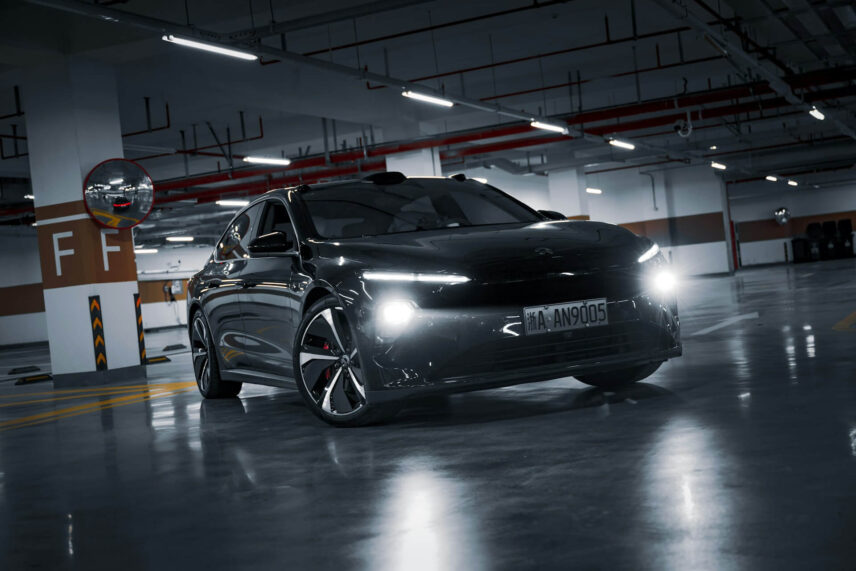
One of Tesla’s biggest strengths has been its Supercharger network. However, NIO offers something Tesla still can’t match — large-scale battery swapping.
Instead of waiting to recharge, NIO owners can drive into automated swap stations and receive a fully charged battery in minutes. By May 2026, this Chinese smart EV brand had operated over 3,800 swap stations across China and planned to add 1,000 more to its network annually through 2028.
NIO has partnered with battery giant CATL and several automakers to standardize swap-compatible platforms. This approach solves several common EV frustrations:
- Long charging times
- Battery degradation concerns
- High up-front battery costs
NIO’s battery-as-a-service subscription model also lowers purchase prices by separating battery ownership from vehicle ownership. While Tesla focuses heavily on fast charging, NIO’s infrastructure rethinks the entire refueling process.
5. Aptera Motors
Tesla sells solar panels separately. Aptera integrates solar charging directly into the vehicle itself.
The futuristic three-wheeled Aptera Launch Edition features built-in photovoltaic panels that can generate a meaningful driving range from sunlight alone. In ideal climates, some drivers may rarely need to charge externally for daily commuting.
Aptera’s ultralight aerodynamic design is another major advantage. The company prioritizes efficiency above all else, creating a vehicle capable of extremely low energy consumption.
As Tesla focuses on mass-market production, Aptera pushes the boundaries of EV efficiency. Its unconventional design will not appeal to everyone, but the company represents one of the industry’s boldest experiments in sustainable transportation.
6. Polestar
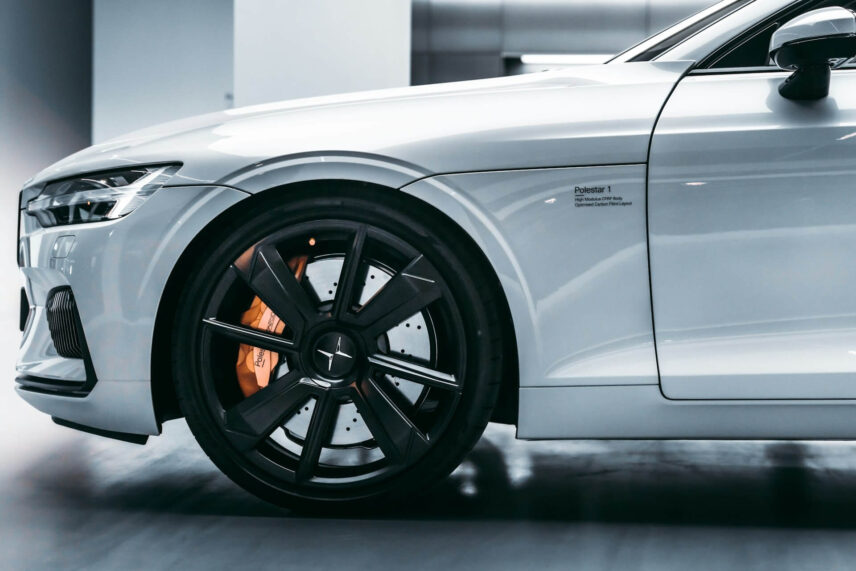
Tesla popularized minimalist interiors, but Polestar executes Scandinavian minimalism with greater sophistication.
The Polestar 5 and other models combine clean aesthetics with excellent power and sustainable materials, boasting features like 884 horsepower and seats made with 100% recycled plastic bottles. Unlike Tesla’s occasionally inconsistent panel gaps and assembly complaints, Polestar benefits from its ties to Volvo engineering standards.
The all-electric car brand also integrates Android Automotive OS deeply into its infotainment system. Many drivers prefer this setup because it feels more intuitive and familiar than Tesla’s ecosystem.
Polestar’s restrained styling is a definite advantage. Tesla vehicles have become extremely common in many cities, while Polestar cars still stand out with understated elegance.
For buyers seeking premium design without flashy gimmicks, Polestar offers one of the most mature alternatives among luxury electric automakers.
7. XPENG
Tesla once dominated conversations about automotive technology. XPENG increasingly challenges that reputation.
The company heavily emphasizes advanced driver assistance systems, AI integration and immersive cabin experiences. Models, such as the XPENG P7, feature large panoramic displays, sophisticated voice assistants and highly automated driving functions.
XPENG also moves aggressively in futuristic mobility projects, including flying-car concepts through its AeroHT division.
Chinese EV companies have become particularly competitive in software innovation, as domestic buyers expect rapid technological upgrades. As a result, companies like XPENG often iterate faster than Western automakers.
Tesla still has a strong software ecosystem, but XPENG demonstrates how quickly the innovation gap is narrowing.
Tesla Is No Longer the Best EV Brand
The influence of Tesla on the current EV landscape is unassailable. Although it remains the preeminent electric car brand in the hearts and minds of many gearheads, there’s no denying that other EV-only manufacturers have caught up and surpassed the perceived industry leader in key areas.
Nevertheless, losing the position as the yardstick of the perfect all-electric automaker isn’t an indictment of Tesla’s competence. Rather, it reinforces its oversized, enduring impact on the auto industry, a legacy no EV brand can take away.