As an Amazon Associate, Modded gets commissions for purchases made through links in this post.
Japanese vehicles have a reputation for reliability, efficiency and long-term value, earning them a loyal following worldwide. Of all the auto brands to come out of the Land of the Rising Sun, only two consistently rank among the industry’s sales leaders. Many practical commuters gravitate toward Toyota or Honda. Either is a preeminent maker of mass-market sedans and minivans.
Learn whether the two marques are so evenly matched that it doesn’t matter which one to choose or one side outperforms the other in areas you care about most.
Toyota or Honda: A Comparison That Matters
For decades, Toyota and Honda have competed for many of the same customers. Both manufacturers build vehicles known for dependability, strong resale values, fuel efficiency and advanced safety technologies.
The enduring success of these brands is evident in their global sales performance. Despite the universal 20% car tariff imposed by the United States, they’ve continued to outsell competitors, underscoring the enduring popularity of their vehicles.
Yet despite their similarities, the two companies take different approaches to vehicle design. Toyota often emphasizes comfort, efficiency and low ownership costs, while Honda tends to focus on driving dynamics, practical interiors and responsive performance.
The question isn’t necessarily which brand is superior. Instead, it’s which one better aligns with your priorities.
Toyota Corolla or Honda Civic: Which Compact Sedan Wins?
The rivalry between the Toyota Corolla and the Honda Civic has lasted for decades. Both cars attract commuters, students, young professionals and families in the market for affordable and dependable transportation. That should come as no surprise, as many Toyota and Honda owners rated their vehicles highly for predicted reliability.
Toyota Corolla Strengths
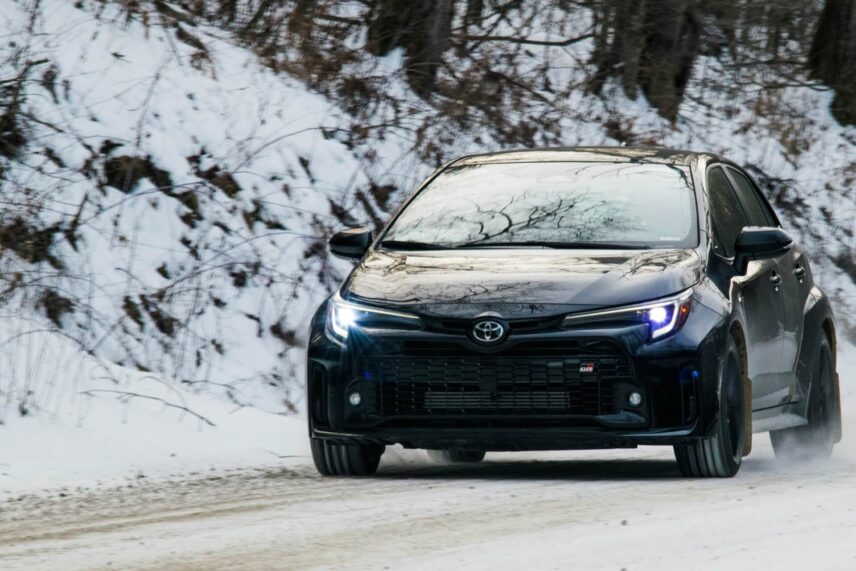
The legendary Corolla focuses on practicality and efficiency. Advantages include:
- Competitive pricing
- Excellent fuel economy
- Available hybrid models
- Proven reliability
- Low ownership costs
The Corolla’s straightforward approach appeals to buyers who prioritize dependable transportation above all else. Its hybrid version can achieve a combined mpg of up to 41, continuing to stand out for its efficiency and value-oriented ownership experience.
Honda Civic Strengths
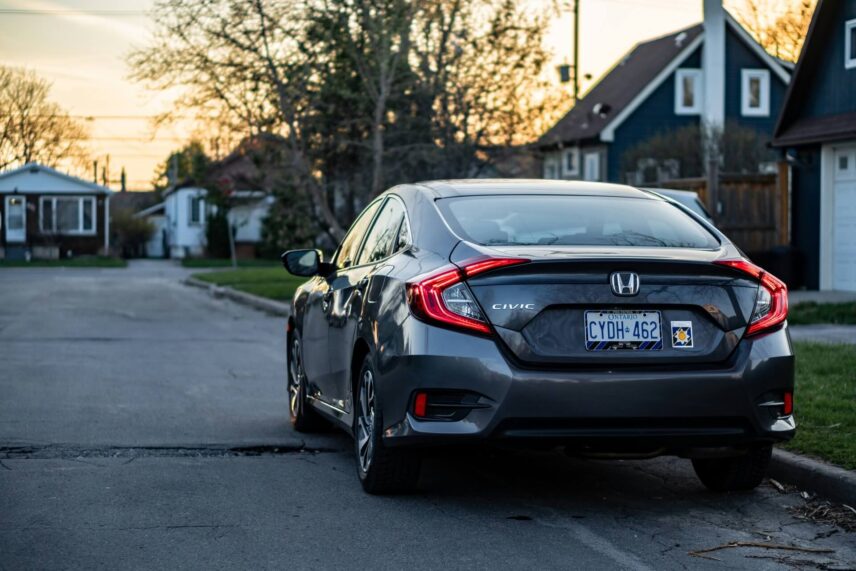
The Civic emphasizes refinement and driving enjoyment. Its advantages are:
- Responsive handling
- Upscale interior design
- Spacious cabin
- Strong performance
- Attractive styling
The Civic often feels more premium than its price suggests, making it a favorite among buyers who want more than basic transportation. This car is a darling of tuners, as it’s one of the easiest to mod because of the wide availability of aftermarket parts.
Corolla vs. Civic: Which Should You Choose?
Your choice between these two cars, which have been the benchmark for their class for so long, is quite straightforward.
Choose the Corolla if you prioritize:
- Fuel economy.
- Affordability.
- Hybrid availability.
- Long-term reliability.
Select the Civic if you value:
- Driving enjoyment.
- Interior quality.
- Performance.
- Cabin space.
The Corolla remains one of the safest choices for practical buyers. Meanwhile, the Civic often appeals to motorists who want a little more excitement from their daily commute.
Toyota Sienna or Honda Odyssey: Which Minivan Is Perfect for Your Family?
When families shop for a minivan, the Toyota Sienna and the Honda Odyssey are two names that rise to the top. Both models offer spacious interiors, advanced safety technologies and excellent reputations for reliability. However, they differ significantly under the hood.
Toyota Sienna Strengths
Toyota made a bold move by making every Sienna a hybrid. As a result, the Sienna delivers substantially better fuel economy than most competing minivans. For example, Toyota estimates the 2024 model year to deliver up to 36 mpg combined in urban and open-road driving. Additional advantages include:
- Hybrid efficiency
- Available all-wheel drive
- Lower fuel costs
- Strong resale value
- Modern technology features
For families that spend significant time on the road, these fuel savings can add up quickly. The 2024 model retains 48.4% of its value at resale, so expect to recoup most of your initial cost when you put it on the market.
Honda Odyssey Strengths
Honda takes a more traditional approach. The Odyssey uses a V6 engine that produces stronger acceleration and a more familiar driving experience. It also features Honda’s innovative Magic Slide second-row seats, which improve passenger access and seating flexibility.
The Odyssey produces more horsepower than the Sienna, making it the stronger performer in straight-line acceleration. Other selling points include:
- Flexible seating arrangements
- Smooth ride quality
- Excellent passenger comfort
- Family-focused interior design
Sienna vs. Odyssey: Which Minivan Should You Pick?
Most families that choose a minivan typically plan to use it as an all-rounder. It’s more spacious than a sedan and less expensive or rugged than an SUV or a pickup truck, a utilitarian ride for trips to the grocery, work commuters, school pickup and drop-off and occasional cargo hauls. So, it makes sense to choose the minivan that’s right for you carefully.
On that note, drive the Sienna off the lot if:
- Fuel economy is your priority.
- You want hybrid technology.
- You need all-wheel drive.
- You plan to keep the vehicle for many years.
In contrast, go with the Odyssey if:
- You need stronger acceleration.
- Interior flexibility matters most.
- You regularly transport passengers.
- You favor traditional gasoline powertrains.
For efficiency-minded households, the Sienna has a compelling advantage. For buyers focused on versatility and performance, the Odyssey remains one of the segment’s strongest contenders.
Which Brand Has the Better SUV Lineup?
SUVs are among the most important vehicles in both companies’ portfolios.
Toyota SUV Highlights
Toyota offers one of the industry’s most diverse SUV lineups, including:
- Corolla Cross
- RAV4
- Highlander
- Grand Highlander
- 4Runner
- Land Cruiser
- Sequoia
Many of these models offer hybrid powertrains, giving Toyota an advantage among efficiency-focused buyers.
Honda SUV Highlights
Honda’s SUV range includes:
- HR-V
- CR-V
- Passport
- Pilot
- Prologue EV
The CR-V remains one of the bestselling compact SUVs in North America thanks to its balance of practicality, comfort and efficiency.
Toyota offers more variety, while Honda focuses on refining a smaller but highly competitive lineup.
Ownership Costs and Maintenance

Maintenance expenses are generally affordable for both brands. Toyota benefits from extensive parts availability, a large dealership network, proven hybrid systems and strong resale values. On the other hand, Honda offers competitive maintenance costs, durable engines, excellent resale performance and broad service availability.
Over a decade of ownership, both Toyota and Honda vehicles tend to cost less to maintain than many competitors. That’s why you can avoid costly repairs even when you go with used wheels. Maintaining brand-new passenger cars and SUVs with hard-to-find replacement parts can be more expensive than maintaining secondhand Toyotas and Hondas.
Choosing Toyota Over Honda, or Vice Versa, Is Rarely a Huge Deal
Both Japanese automakers are elite with extensive track records to prove it. You can dissect what makes each great and which one outdoes the other in key areas if you really must pick a vehicle that suits your specific preferences. At the end of the day, the sedans, vans and SUVs these two churn out are more or less even across many categories, so rest assured your choice will check all the boxes, whichever one that may be.