As an Amazon Associate, Modded gets commissions for purchases made through links in this post.
Cars weren’t always disposable tech wrapped in metal. Long before touchscreens and driver assists, some vehicles were built so well they’ve outlived wars, automakers and entire generations of drivers.
If you’ve ever wondered how a car can survive for over a century or what makes certain machines nearly immortal, you’re about to meet the legends that refuse to quit. From steam-powered pioneers to early internal combustion icons, these are the oldest cars still running and their stories prove durability never goes out of style.
The Meaning of “Still Running”
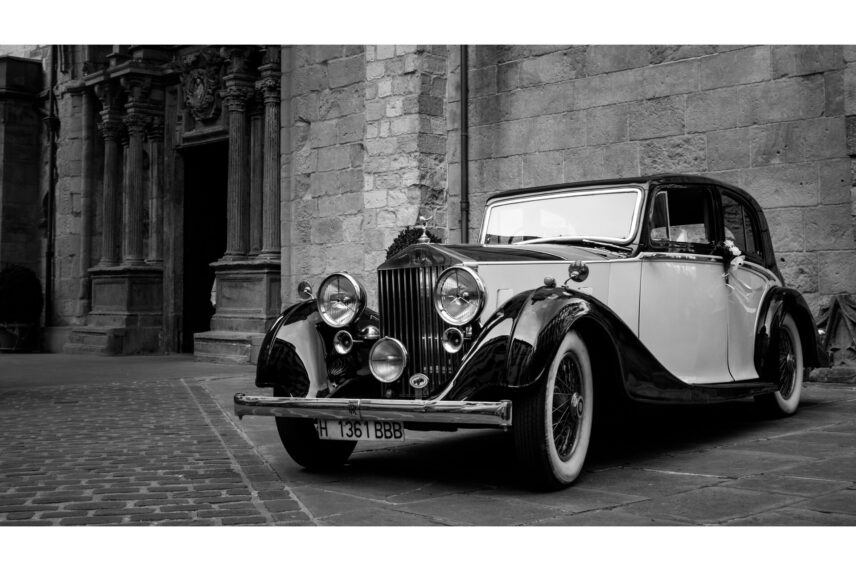
When people hear “oldest cars still running,” it’s easy to picture dusty museum pieces that haven’t turned a wheel in decades. That’s not the topic. For a car to truly qualify, it needs to be self-propelled and operational, meaning it can move under its own power, not just sit pretty under display lights.
Most of these vehicles have been restored at some point, but restoration doesn’t automatically disqualify them. The key distinction is that they still function as cars, not static artifacts. Some use carefully reproduced parts, while others retain a surprising amount of original hardware. In many cases, these cars are driven regularly at historic rallies or special events, which actually helps preserve them. After all, machines are often happiest when they’re used.
The World’s Oldest Cars That Are Still Running Today
Some of the oldest cars in the world aren’t just survivors. In fact, they’re still active participants in automotive history.
- 1884 De Dion-Bouton et Trépardoux Steam Car
Often considered the oldest operational car on Earth, this steam-powered vehicle predates gasoline engines entirely. Built in France, it can still drive today and occasionally appears at historic motoring events. Its continued operation proves that early engineers were more concerned with durability than convenience.
- 1894 Benz Velo
The Benz Velo is widely recognized as the world’s first mass-produced automobile. Lightweight, mechanically simple and surprisingly reliable, several examples remain operational today. Its straightforward design makes maintenance easier than you might expect, even by modern standards.
- 1904 Rolls-Royce 10 HP
This car represents the very beginning of Rolls-Royce’s obsession with quality. It’s the oldest surviving Rolls-Royce and still runs more than a century later. The craftsmanship set a standard that luxury automakers still chase today.
- 1909 Ford Model T — Select Examples
While not every Model T is still roadworthy, many are and that’s no accident. Ford’s emphasis on standardized parts means owners can still source replacements today, keeping these cars alive well into their second century.
Why These Cars Survived When Most Didn’t
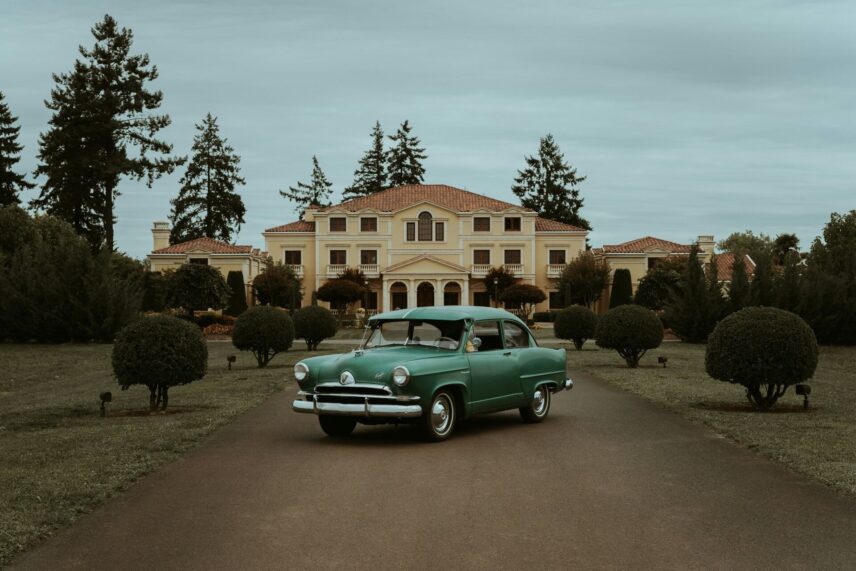
Longevity like this doesn’t happen by accident. Early cars were often overengineered, built with thick metals, simple mechanics and very little that could fail unexpectedly. There were no complex electronics, no software updates and no sealed systems designed to be replaced instead of repaired.
This principle is why certain newer classics, like the first-generation Ford Mustang, remain popular restoration projects. After Ford sold over 400,000 Mustangs in the car’s 1964 debut year, a massive aftermarket community emerged, making parts easy and affordable to find decades later.
Another major factor is simplicity. If something broke, it could usually be fixed with basic tools and mechanical know-how. That’s a big reason these cars have outlasted many modern vehicles, which rely heavily on electronic systems that are difficult or impossible to repair decades later.
Then there’s the human factor. These cars didn’t survive on their own. Dedicated owners, collectors and restorers treated them as responsibilities rather than possessions. That caretaker mindset has made all the difference. Today, this dedication has evolved into a professional industry, with large consignment dealerships like Gateway Classic Cars showcasing inventories of over 2,600 vehicles. These companies have created a robust network for inspecting, restoring, and shipping classic cars nationwide, ensuring their history is preserved and shared with a new generation of enthusiasts.
The Role of Restoration, Parts and Preservation
Very few century-old cars survive without help. Restoration plays a crucial role, but it’s a careful balancing act. Replace too much and you lose authenticity. Replace too little and the car won’t run safely.
Many owners rely on period-correct reproduction parts, crafted to match original specifications. Others fabricate components by hand when no replacements exist. In extreme cases, preservation involves recreating a car entirely. A modern example is the Lister Jaguar ‘Knobbly,’ a handcrafted recreation of a famed 1950s race car. Since no original ‘Knobbly’ cars are still in running condition, the manufacturer built 10 new ones to the exact original specification, complete with magnesium bodies, ensuring the legendary car’s design and engineering were not lost to history.
Importantly, most experts agree that driving these cars gently and regularly is better than locking them away. Movement keeps seals flexible, engines lubricated and mechanical systems functional.
Preservation isn’t about freezing a car in time. It’s about respecting its history while allowing it to do what it was built to do: drive.
Can Any Modern Cars Reach This Age?

It’s tempting to believe today’s cars won’t stand a chance of surviving a century, but that’s not entirely fair. Modern vehicles are safer, more efficient and vastly more comfortable than their early ancestors. However, owners can bridge that safety gap by retrofitting older vehicles with modern technology. In fact, the Insurance Institute for Highway Safety recommends adding aftermarket devices like lane departure and collision warnings to older cars to increase driver safety. The problem isn’t build quality so much as complexity.
Electronics are now deeply embedded in everything from engine management to steering and braking systems. When those components fail, replacement often requires proprietary software or discontinued parts. That makes long-term survival harder, not impossible. Vehicles with simpler drivetrains, strong aftermarket support and proven mechanical reliability — think older Toyotas, Hondas or certain diesel engines — have the best shot.
If modern cars are going to reach the same age as the oldest cars still running, longevity will depend less on mileage and more on maintainability. In other words, the future classics will be the cars you can still fix without a laptop.
What You Can Learn From the Oldest Cars Still Running
The biggest lesson from the oldest cars in the world is mindset. These vehicles weren’t treated as disposable. They were maintained, repaired and respected.
Regular maintenance matters more than low mileage. Driving your car consistently is often better than letting it sit. Choosing durability over trends pays off in the long run. And perhaps most importantly, understanding how your car works, even at a basic level, can dramatically extend its life.
You may never own a 19th-century steam car, but you can absolutely adopt the habits that kept it alive for over 140 years.
Running on Fumes
The oldest cars still running are mechanical marvels and rolling reminders of what happens when engineering prioritizes longevity over convenience. Built before planned obsolescence was even a concept, these machines survived because they were simple, sturdy and cared for by people who refused to let them die. Turns out, the secret to immortality might just be a wrench, a little patience and a whole lot of respect for the road.