As an Amazon Associate, Modded gets commissions for purchases made through links in this post.
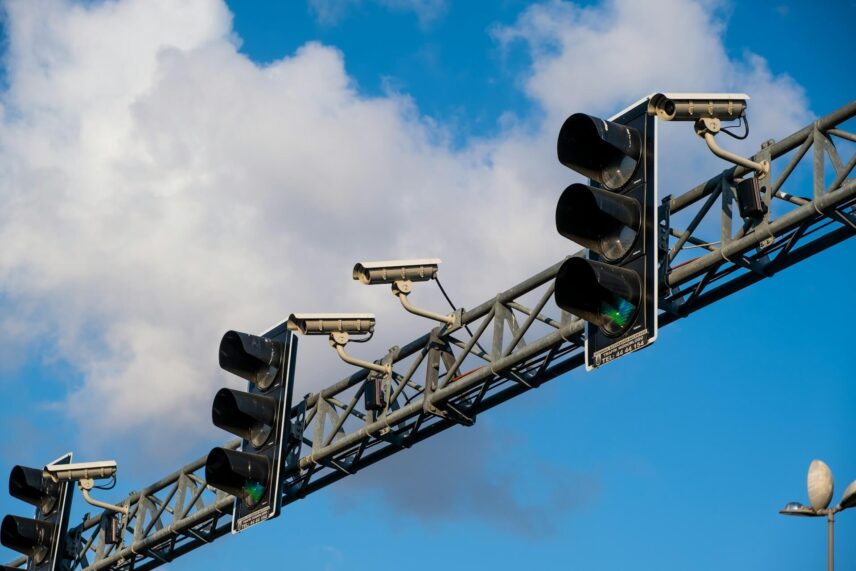
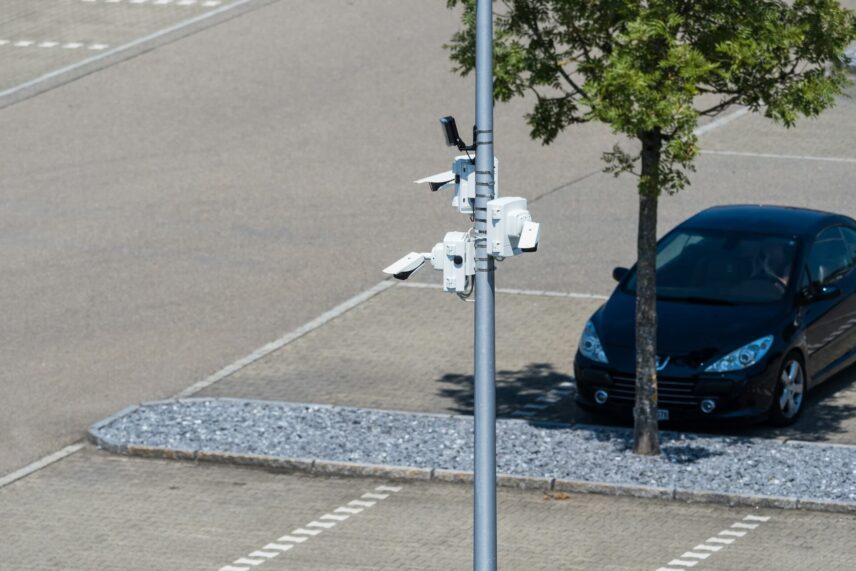
You have probably driven past a Flock camera without noticing. It is a small solar-powered camera on a pole near an intersection, aimed at the road rather than the sidewalk. It does not flash. It does not mail you a ticket. It photographs your car, files the image with a timestamp and a location, and moves on to the next vehicle.
For years, most drivers shrugged at them. In 2026, many drivers stopped shrugging, and the pushback now comes from directions nobody in the surveillance industry had planned for.
What a Flock Camera Records About Your Car
Judging the backlash gets easier once you know what these devices capture.
Mounted on poles along public roads, the readers work by photographing plates and identifying characteristics and storing that information in a database that alerts officers when a hotlisted vehicle drives past. The company behind them, Flock Safety, launched in Atlanta back in 2017 under co-founder and chief executive Garrett Langley.
Retention is where the argument starts. In Denver, the police-owned database stored those images for 30 days or longer before anything got deleted. One snapshot tells nobody much. A month of searchable snapshots describes your routine, and drivers who understand why people cover license plates in online listings tend to grasp what Flock cameras collect at scale.
Why Cities Are Canceling Flock Contracts

The privacy argument only became a political force once councils started voting on it.
By February 2026, NPR found that at least 30 localities had canceled contracts or deactivated cameras since the start of 2025. The pace kept climbing, with the San Francisco Standard counting 82 terminated contracts across 28 states between August 2021 and May 2026, and 39 of those landed in the first five months of 2026.
Big names followed. Los Angeles walked in July, when its police department cited civil liberties concerns rather than cost as the reason for letting the contract lapse.
Denver swapped vendors instead. The city cut 111 cameras down to 50 under a one-year Axon deal worth $150,000, adding a required case number for every search, 21-day retention and no national searchable database. Council split hard on it, approving the contract by a 7-6 margin at the end of March. Denver did not end automated tracking. It renegotiated the terms.
Why the Backlash Crosses Party Lines
Most surveillance fights sort neatly by ideology. This one does not, which is exactly why it has momentum.
The coalition assembled for different reasons, with libertarians objecting to government intrusion while traditional conservatives cite small-government principles. ACLU senior policy counsel Chad Marlow says the cameras have drawn opposition across the political spectrum, with critics converging on the same conclusion about control.
Immigration data drives the other flank, where reviews of audit logs found local departments appearing to run searches for federal agencies. Flock told NPR its pilots with CBP and Homeland Security Investigations have ended and that ICE holds no direct access to the platform.
How Officer Misuse Changed Public Opinion
Abstract concerns rarely move voters. Arrests do, and Georgia produced a run of them.
Across the state, a growing number of officers were arrested, fired or pulled from duty over allegations they misused the database for personal reasons. One Conyers supervisor faced charges after an audit found she was tracking a partner’s vehicle in the system. Fayetteville moved too, terminating three officers who ran tags on themselves or on people they knew.
Flock points to its own guardrails, describing an audit tool that flags abnormal use and arguing the vast majority of officers follow the rules.
What a Wrong Plate Read Costs You
Misuse is deliberate. Misreads are not, and they land on drivers who did nothing.
In Colorado, a woman received a summons for a package theft after Flock images placed her truck nearby, and she said proving her innocence became her own job. A separate New Mexico case saw a camera misread a plate ending in 2 as ending in 7, flagging the car as stolen and triggering a traffic stop.
What Police Departments Say in Defense
The case for the cameras deserves a hearing, because departments are not inventing it.
Defending the program before council, Richmond’s chief cited a case where police identified suspects within 33 minutes of a 2024 killing, and a local NAACP representative backed the cameras for families searching for missing relatives.
Stolen vehicle recovery is an everyday use. With a vehicle being stolen roughly every 48 seconds nationally, that argument lands with owners regardless of what they think about Flock cameras. Plenty of them keep taking steps to prevent car theft rather than waiting on a municipal camera network to do it.
How to Check Whether Your Town Uses Flock
A few concrete steps beat complaining online.
- Independent trackers aggregate data from department transparency portals, showing search counts and hotlist hit rates, though coverage is limited to agencies that have enabled them.
- A public records request gets you the contract, the retention policy and the audit log of who searched your city’s data.
- Ask whether your department adopted a case number requirement and monthly audits, which is what Milwaukee put in place after its misuse case.
- State law matters most, and New Hampshire requires plate reads purged within three minutes unless an alarm produced an arrest, a citation or protective custody.
How to Protect Your Car Beyond Plate Readers
Policy moves slowly, so physical security stays your responsibility.
Visibility does real work here, which is why NICB tells owners to park in well-lit areas that discourage thieves before anything happens. Thefts dropped 23% to 659,880 vehicles nationwide last year, though that number still dwarfs the number of vehicles Flock cameras recover.
Hardware matters more than optics. Anti-theft devices earn their keep on the parts thieves cut for scrap, since a plate reader stops nothing inside a parking structure. If your car sits high on the target list, securing a high-value vehicle is preferable to relying on municipal cameras you do not control.
What Drivers Keep Asking About Flock Cameras
A handful of specifics come up constantly in council chambers.
What Is a Flock Cam?
It is a fixed or vehicle-mounted camera that photographs passing plates and vehicle characteristics, stores them in a searchable database and alerts police when a hotlisted car drives by.
Who Is the Owner of Flock?
Flock Safety is the trade name of Flock Group Inc., a private company based in Atlanta. Garrett Langley co-founded it in 2017 and still serves as its chief executive.
Are Flock Cameras in Canada?
Not meaningfully. Crowdsourced maps flagged suspected sites on Vancouver Island, but Nanaimo identified one as a traffic counter and Home Depot confirmed it runs no plate readers at its Canadian locations.
Can Flock Access My Ring Camera?
No. Amazon’s Ring ended its partnership with Flock in 2026, and the earlier arrangement only let agencies request doorbell footage from owners rather than access it automatically.
Where Automated Plate Tracking Goes Next
The Flock backlash is unlikely to end automated tracking, and Denver shows why. Cancel one vendor and another arrives with a cheaper bid and a friendlier logo.
What changes the picture is statutory limits on retention, sharing and auditing, because those survive a contract renewal. Until your state writes them, your leverage is local and it expires once the poles go in the ground.