As an Amazon Associate, Modded gets commissions for purchases made through links in this post.
If you’re looking for the best Christopher Nolan movies, you’re stepping into one of modern cinema’s most impressive filmographies. Nolan has built a reputation for combining blockbuster entertainment with ambitious storytelling, memorable characters and practical filmmaking that continues to influence Hollywood. Whether you’re revisiting his classics or preparing for his next epic, this guide includes the best Christopher Nolan movies ranked from great to truly legendary. You’ll also find where each film stands in Nolan’s career and why it deserves its place on the list.
12. Following (1998)
Nolan’s debut feature remains an impressive accomplishment considering it was made on an extremely small budget with a largely amateur cast. Shot in black and white around the director’s day job, Following introduces many ideas that would define his later career, including fractured timelines, unreliable narrators and protagonists whose obsession becomes their downfall.
Although it lacks the polish of his later productions, it’s fascinating to watch Nolan experiment with narrative structure years before Hollywood entrusted him with blockbuster budgets. For longtime fans, Following serves as a blueprint for everything that came afterward.
11. Insomnia (2002)
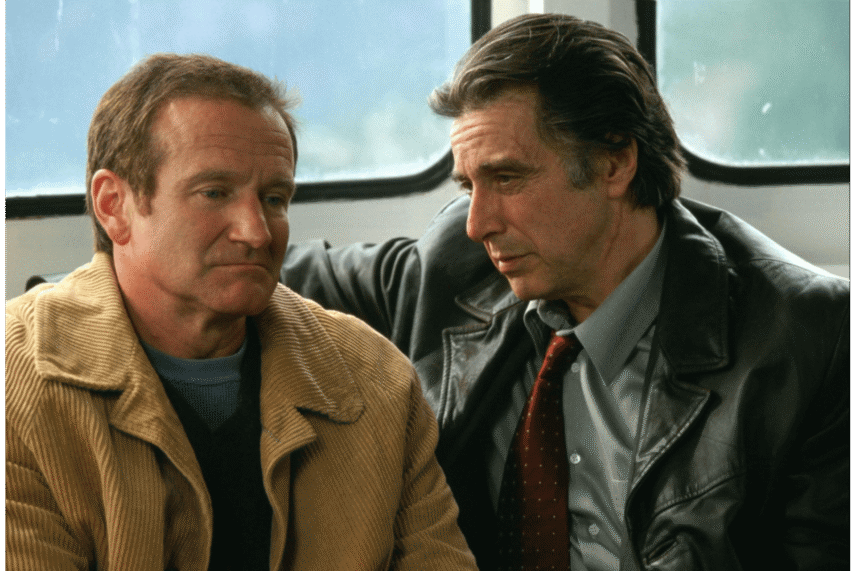
Often overlooked because it’s Nolan’s only straightforward studio thriller, Insomnia proves the director can deliver tension without relying on elaborate puzzle-box storytelling. Al Pacino and Robin Williams give outstanding performances in this psychological crime drama set beneath Alaska’s endless daylight.
The film is more restrained than Nolan’s signature style, but its exploration of guilt, morality and deteriorating mental health fits naturally within his body of work.
10. Tenet (2020)
Tenet may be Nolan’s most divisive movie, but it’s also among his most ambitious. Built around the concept of time inversion, the film challenges viewers to actively piece together its mechanics while delivering spectacular action sequences filmed largely with practical effects.
Many audiences found its complex narrative difficult to follow, yet critics widely praised its technical craftsmanship and visual ambition. Its reputation has steadily improved as viewers revisit it and uncover new details.
9. Batman Begins (2005)
With Before Batman Begins, Nolan transformed Batman into a believable figure motivated by trauma, discipline and personal responsibility rather than comic book spectacle alone. The movie also redefined what comic book adaptations could become.
Its grounded approach influenced countless superhero films over the next two decades while establishing the darker tone that audiences embraced throughout the late 2000s.
8. Dunkirk (2017)
Rather than telling a traditional war story, Nolan built Dunkirk around three intersecting timelines unfolding over one week, one day and one hour. The result is an immersive survival experience that places you directly inside one of World War II’s most significant military evacuations.
The film captures the scale and urgency of the historical event through minimal dialogue and breathtaking practical filmmaking. With a worldwide box-office gross of $530.4 million, Dunkirk became one of the highest-grossing war movies of all time.
7. Oppenheimer (2023)
Oppenheimer became both a critical and commercial phenomenon. The film earned seven Academy Awards, including Best Picture and Best Director for Nolan, while grossing $983,148,052 worldwide despite being a three-hour historical drama.
Beyond its awards success, the film sparked renewed public interest in nuclear history and the ethical responsibilities of scientific discovery.
6. The Prestige (2006)
Few films improve more with repeat viewings than The Prestige. What begins as a rivalry between two magicians gradually transforms into an examination of obsession, sacrifice and the cost of perfection.
Hugh Jackman and Christian Bale deliver outstanding performances while Michael Caine grounds the increasingly fantastical story. Every clue is hidden in plain sight, rewarding audiences who return knowing the ending.
5. Interstellar (2014)
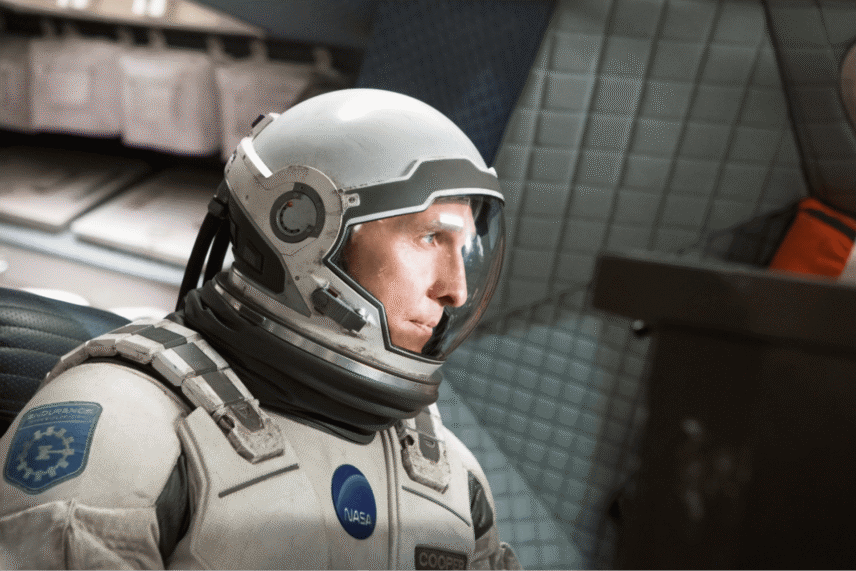
Interstellar combines intimate family drama with large-scale science fiction in a way few movies have matched. While the emotional story drives the film, its scientific foundation was heavily informed by Nobel Prize-winning physicist Kip Thorne, who worked closely with Nolan to ensure theoretical accuracy whenever possible.
Even a decade later, its visuals remain among the most convincing depictions of deep space.
4. Memento (2000)
Memento is a great narrative achievement. By telling its story in reverse chronological order, Nolan allows you to experience memory loss alongside the protagonist rather than simply observing it. The film’s structure serves its emotional purpose rather than functioning as a gimmick.
Every scene forces you to question what is true, who deserves trust and whether memory alone can define identity. It announced Nolan as one of the most original filmmakers of his generation.
3. Inception (2010)
Few original blockbusters have influenced popular culture as deeply as Inception. Its layered dream worlds, practical visual effects and famously ambiguous ending continue to inspire discussion more than a decade after release. The rotating hallway fight, folding cityscape and Hans Zimmer’s iconic score remain instantly recognizable.
The film’s complex structure and stunning visuals are made memorable by Leonardo DiCaprio’s anchoring performance, which is filled with both sadness and intensity.
Commercially, the film demonstrated that audiences would enthusiastically support intelligent, original science fiction rather than rely solely on established franchises. This film earned $839, 796,627 globally while receiving eight Academy Award nominations and winning four Oscars.
2. The Dark Knight Rises (2012)
Although it sometimes lives in the shadow of its predecessor, The Dark Knight Rises delivers a satisfying conclusion to Nolan’s Batman trilogy. It successfully balances large-scale action with emotional closure while bringing Bruce Wayne’s story full circle.
Tom Hardy’s Bane presents a physical and ideological challenge unlike any Batman had previously faced on screen. Combined with spectacular practical effects and one of the most memorable stadium sequences in blockbuster history, the film remains an ambitious finale.
1. The Dark Knight (2008)
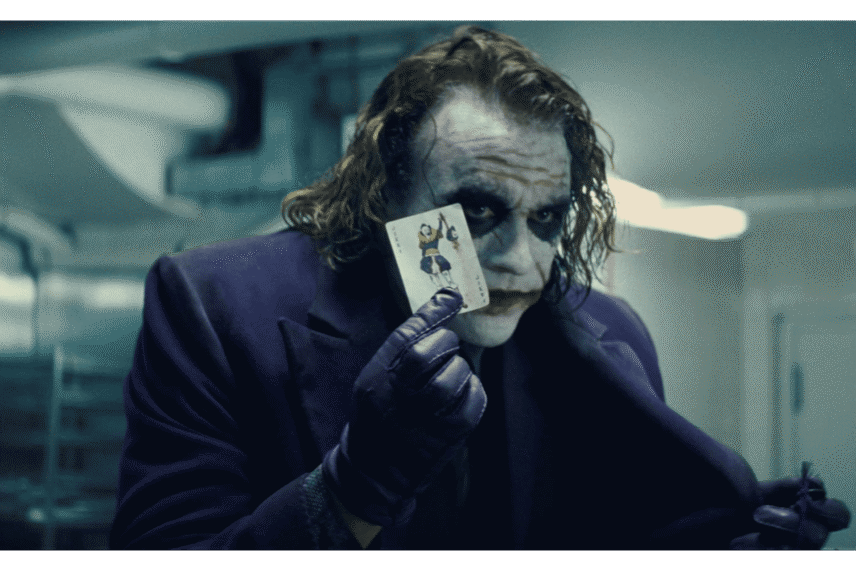
No film better represents Christopher Nolan’s legacy than The Dark Knight. More than a superhero movie, it’s a gripping crime thriller examining chaos, morality and the limits of justice. Heath Ledger’s Joker has become one of cinema’s defining villains, earning a posthumous Academy Award for Best Supporting Actor. The film’s atmosphere had been an inspiration in later movies, embracing the idea of a darker environment in superhero movies, like Zach Snyder’s work.
The film also helped transform public perception of comic book movies, proving they could achieve both critical acclaim and enormous commercial success. The Dark Knight earned over $1 billion at the box office, underscoring its impact.
Nolan’s Latest Epic: The Odyssey (2026)
Following the historic success of Oppenheimer, Christopher Nolan returned with The Odyssey, released on July 16, 2026. With Matt Damon starring as Odysseus and an all-star cast, Nolan’s adaptation of Homer’s ancient epic brings this journey home to the big screen through large-scale, practical filmmaking and an IMAX presentation that have become hallmarks of Nolan’s work.
The film’s ambitious scope, visual craftsmanship and emotional storytelling highlight Nolan’s ability to make one of history’s oldest stories feel both intimate and cinematic. While it’s still too early to judge where The Odyssey ultimately ranks within his filmography, its release reinforces Nolan’s reputation as one of the few directors capable of turning literary classics and original concepts alike into major theatrical events.
Many studios are focusing on remaking familiar hits instead of trying new ideas, and even though this movie may seem to fall in this category, there’s something more. Nolan manages to deliver unique approaches, even with one of the most popular stories in the world.
What Makes Christopher Nolan Different?
Nolan stands apart because he consistently trusts audiences to think alongside his films rather than simply consume them. Whether exploring memory, dreams, time manipulation or moral ambiguity, his stories reward attention without sacrificing entertainment.
His commitment to practical filmmaking also distinguishes his work. Nolan frequently favors real sets, large-format IMAX cameras and practical effects over extensive computer-generated imagery. That philosophy has helped his films age remarkably well compared with many visual effects-heavy blockbusters from the same era.
Why These Movies Keep Rewarding Repeat Viewings
The greatest Christopher Nolan films become richer every time you watch them. Hidden clues, layered dialogue and carefully constructed visual details often reveal new meanings that aren’t apparent on a first viewing. That’s a rare achievement in blockbuster filmmaking. If you’re introducing someone to Nolan’s work, start with The Dark Knight, Inception and Interstellar. Once you’re comfortable with his storytelling style, dive into more intricate films like Memento, The Prestige and Tenet. Together, they showcase why Christopher Nolan remains one of the defining filmmakers of the 21st century.